Persistence of Life in the Sandfall
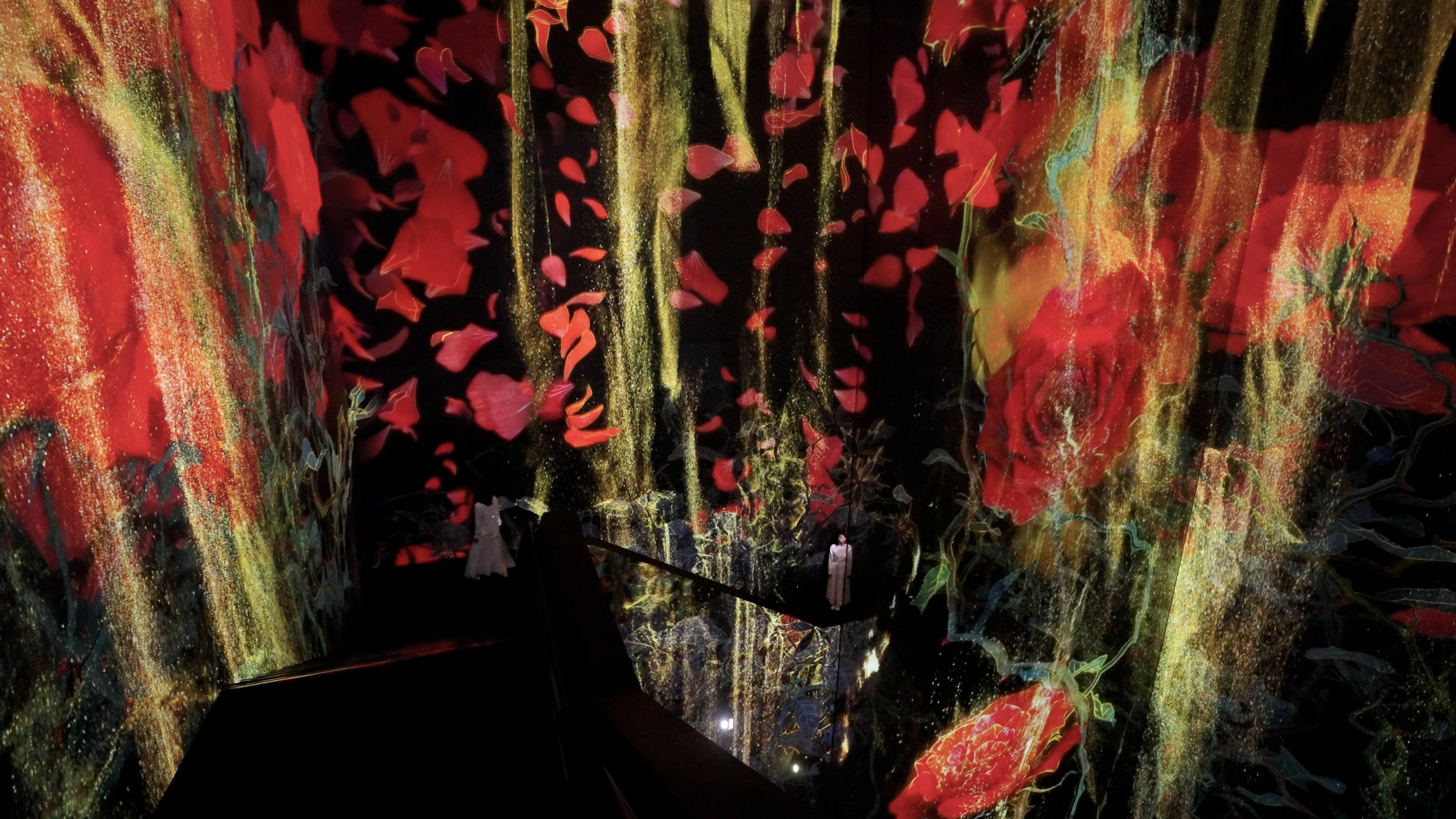

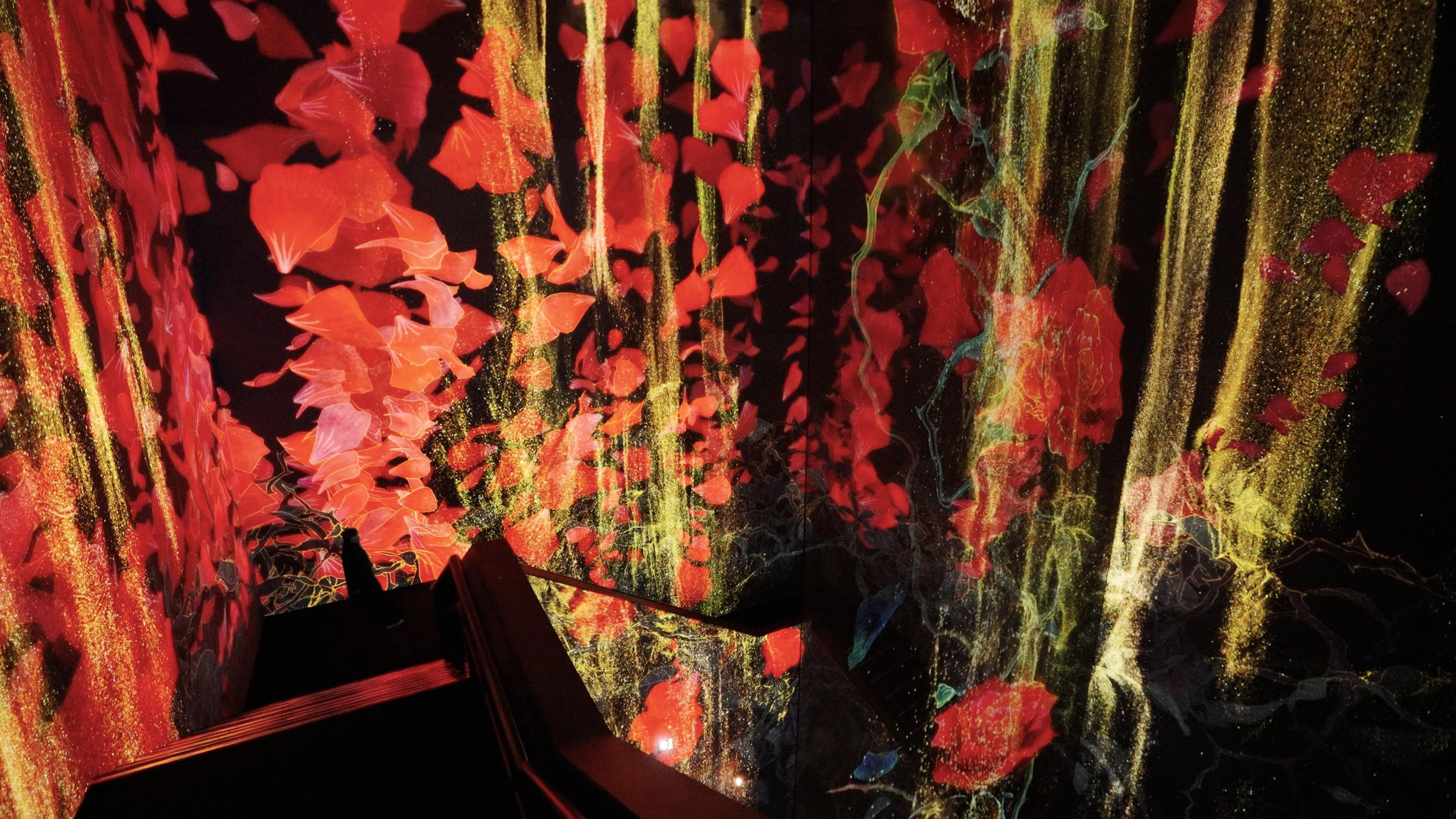
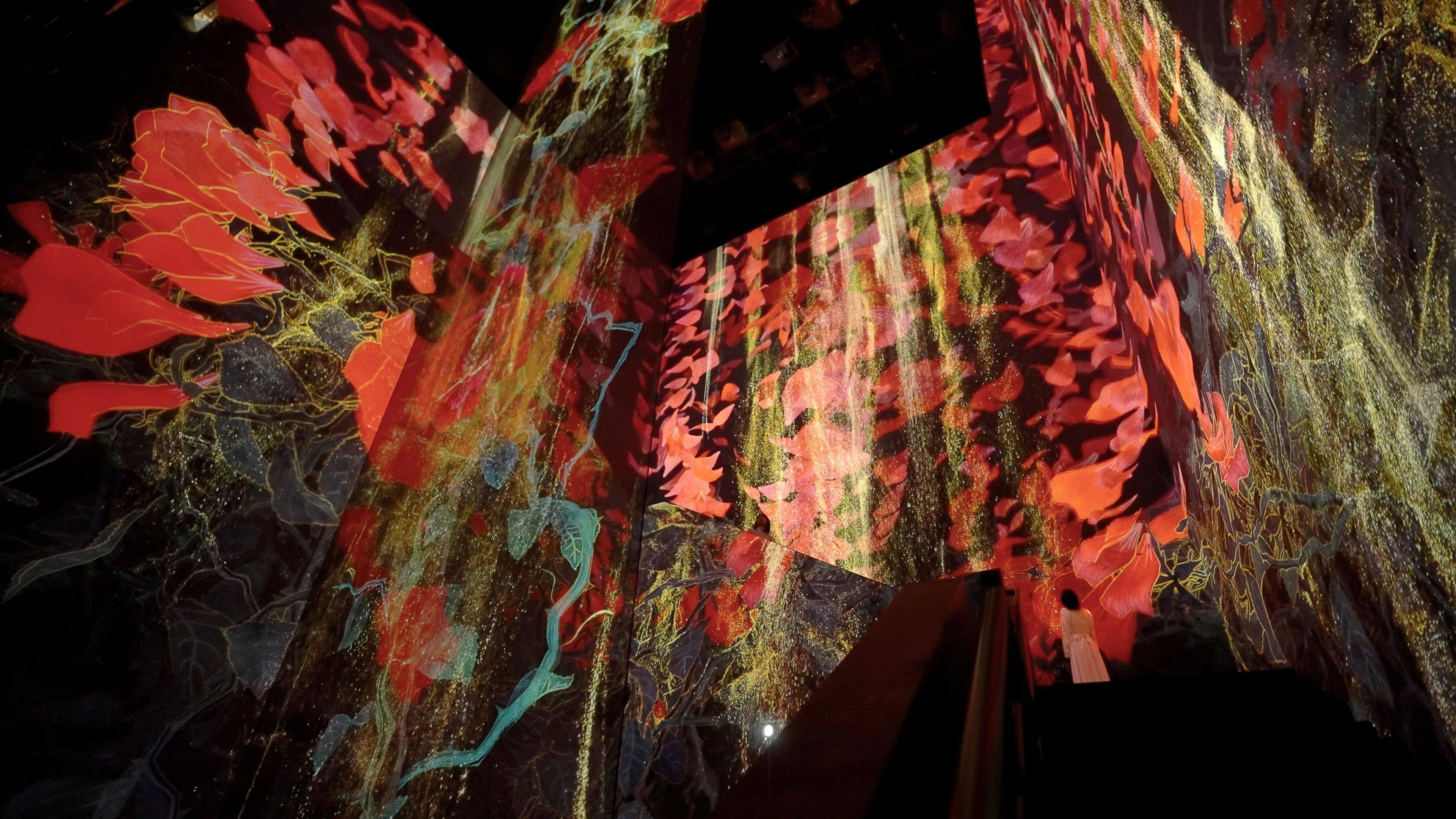
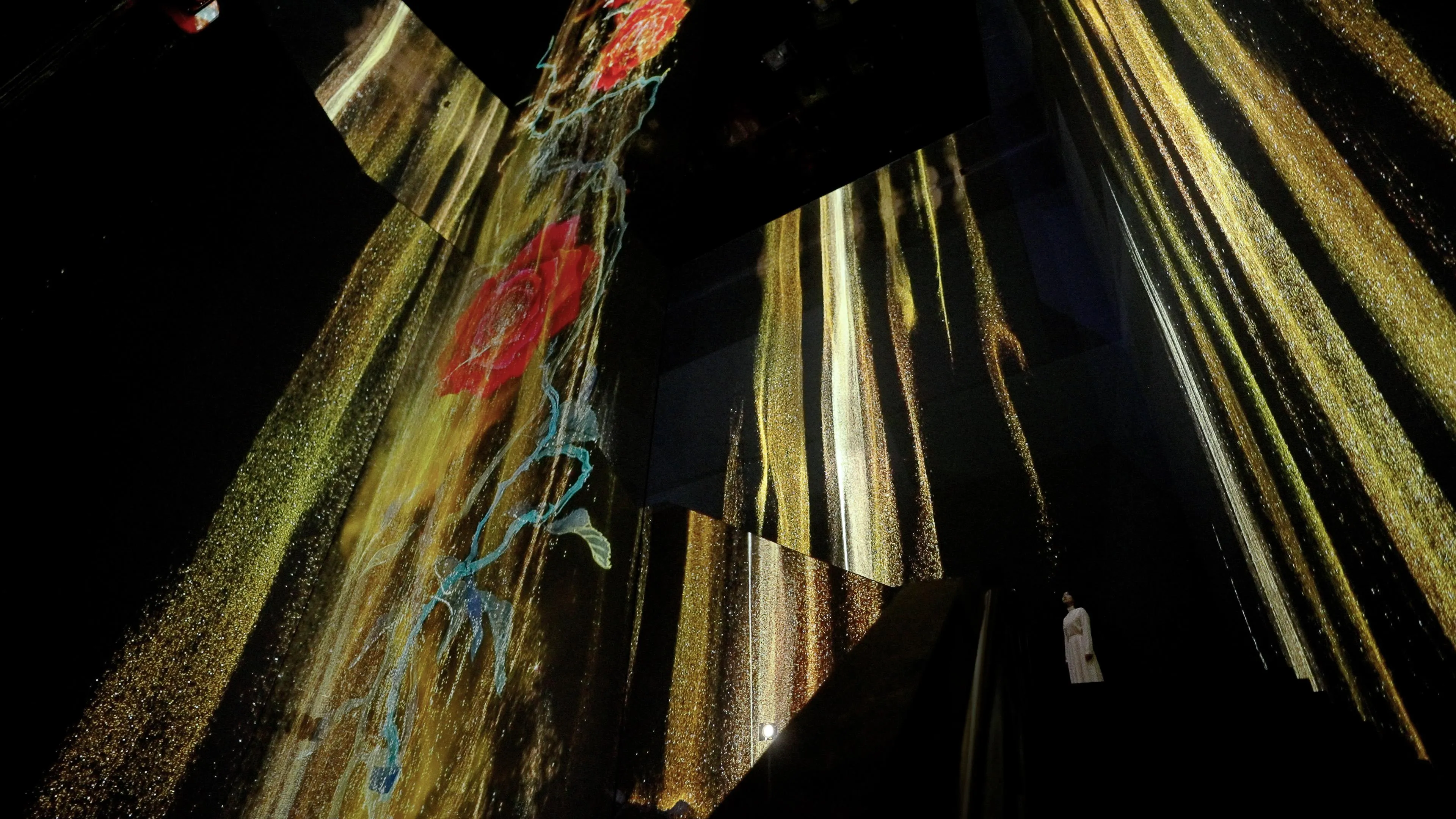

Persistence of Life in the Sandfall
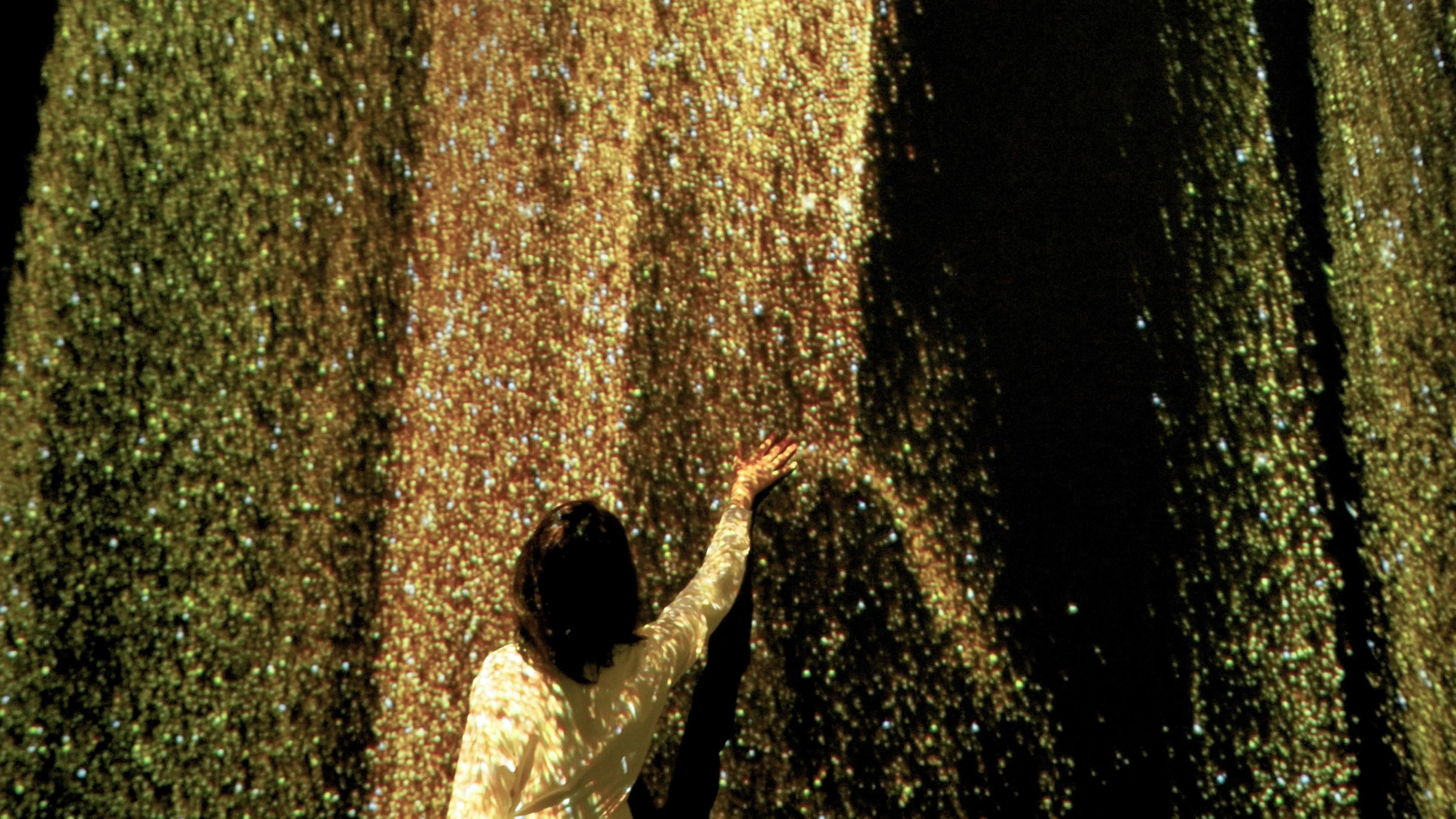
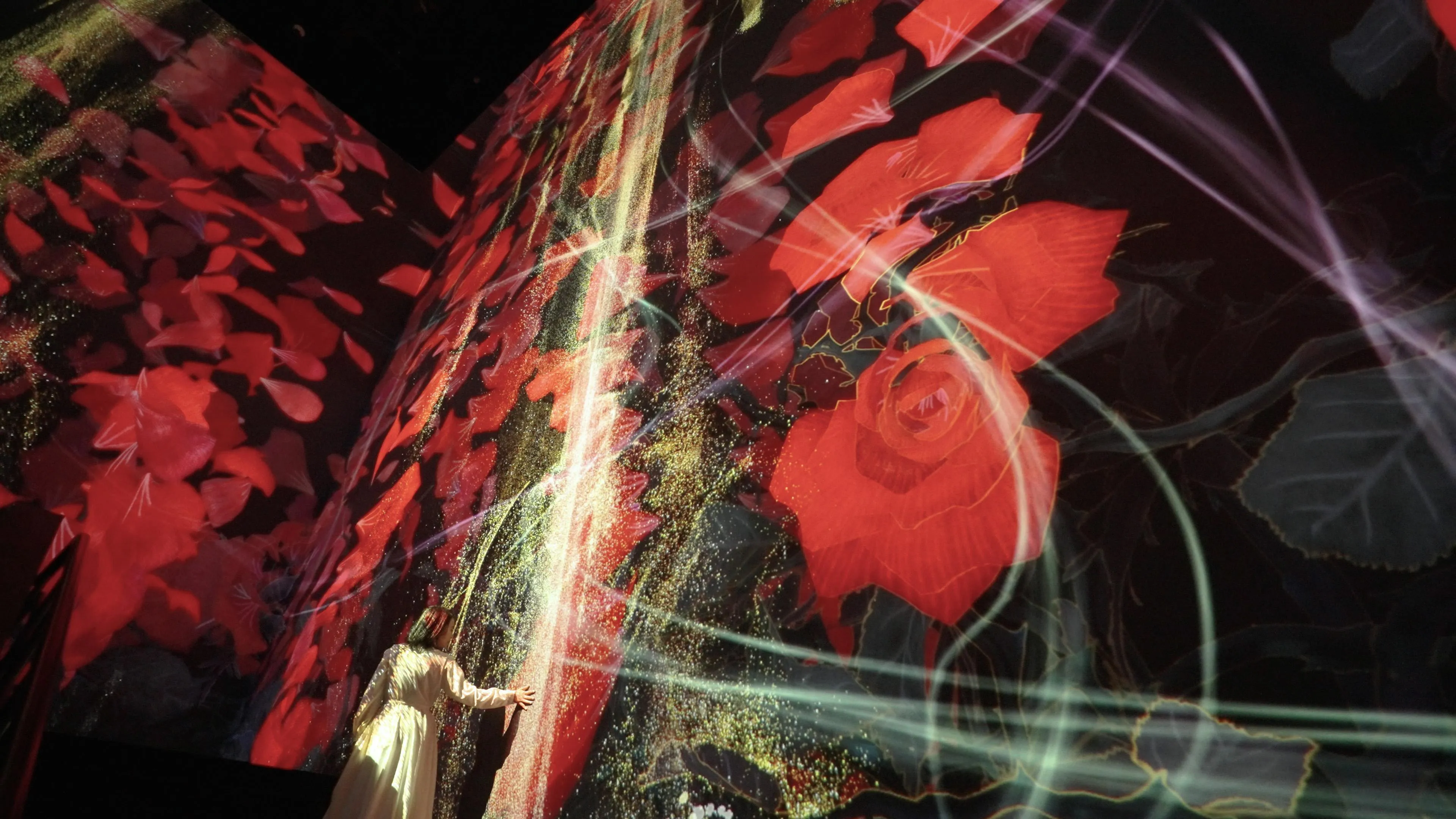
When people touch the flowers, they scatter and die. When people touch the sand, the falling sand breaks up.
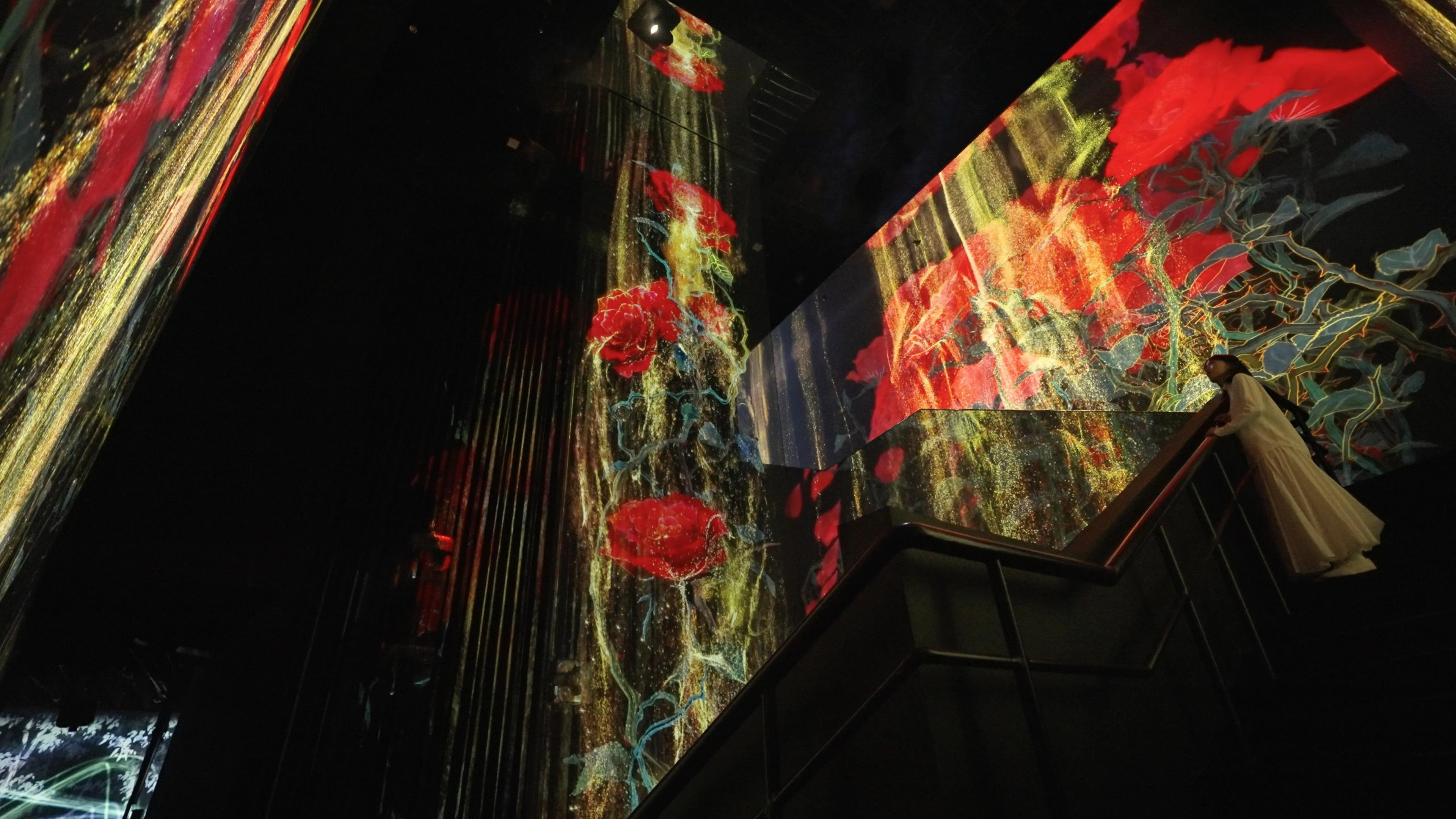
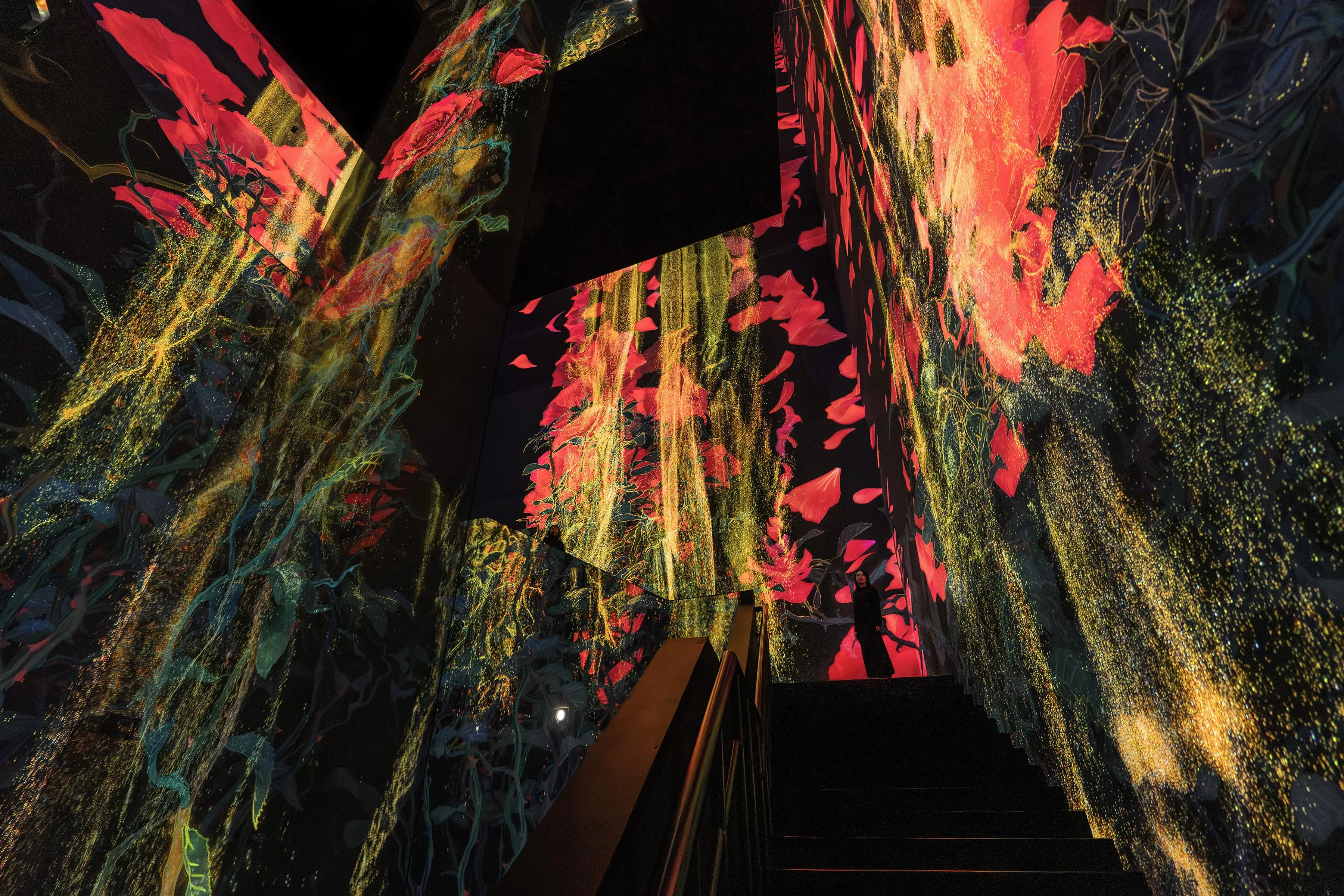
The pictorial space of flowers drawn through Ultrasubjective Space differs from a picture plane flattened by a lens or by single-point perspective. In images or paintings produced by a lens or single-point perspective, space appears behind the picture plane; the space that opens there and the space the viewer inhabits are split, and the picture plane becomes a boundary surface. The viewpoint is fixed at a single point, and the body is lost. A picture plane formed by Ultrasubjective Space is not a boundary that separates where we are from the world of the artwork. The world of the artwork is not outside a window; it appears as a single field that is continuously connected, without boundary, to the space in which the viewer’s body exists. Moreover, any position — front, back, left, or right — can become a viewpoint, so viewpoints exist in infinite number, and the viewer regains a free body.
Not bound to a single point, the viewer moves their body and lets their gaze roam freely, continually re-composing the world of the work as it changes over time, and building the pictorial space of flowers within themselves.
In that moment, the work becomes a subjective, embodied spatial art in which the viewer walks inside that pictorial space.