teamLab: Infinite Existence | teamLab
teamLab: Infinite Existence
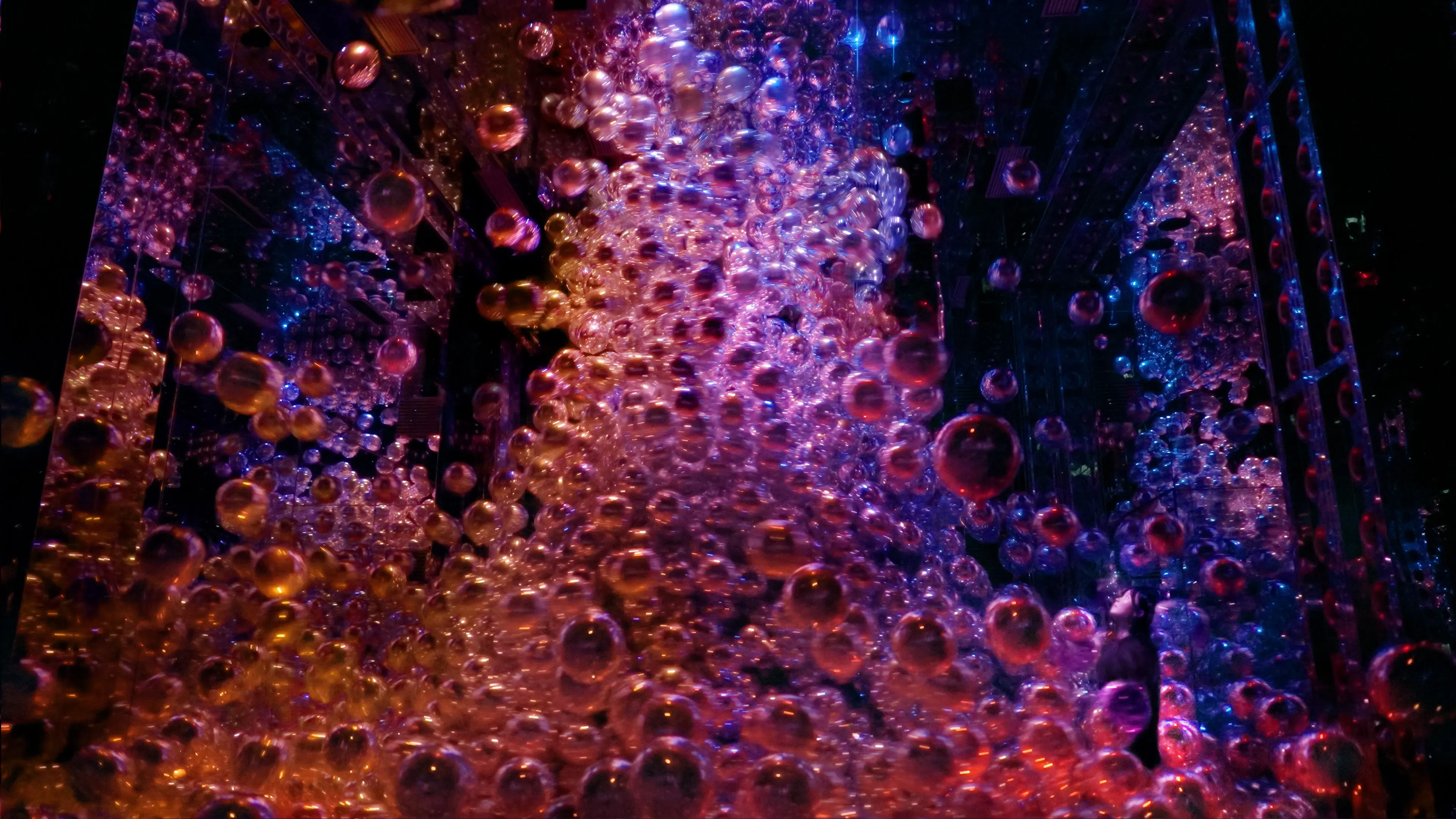
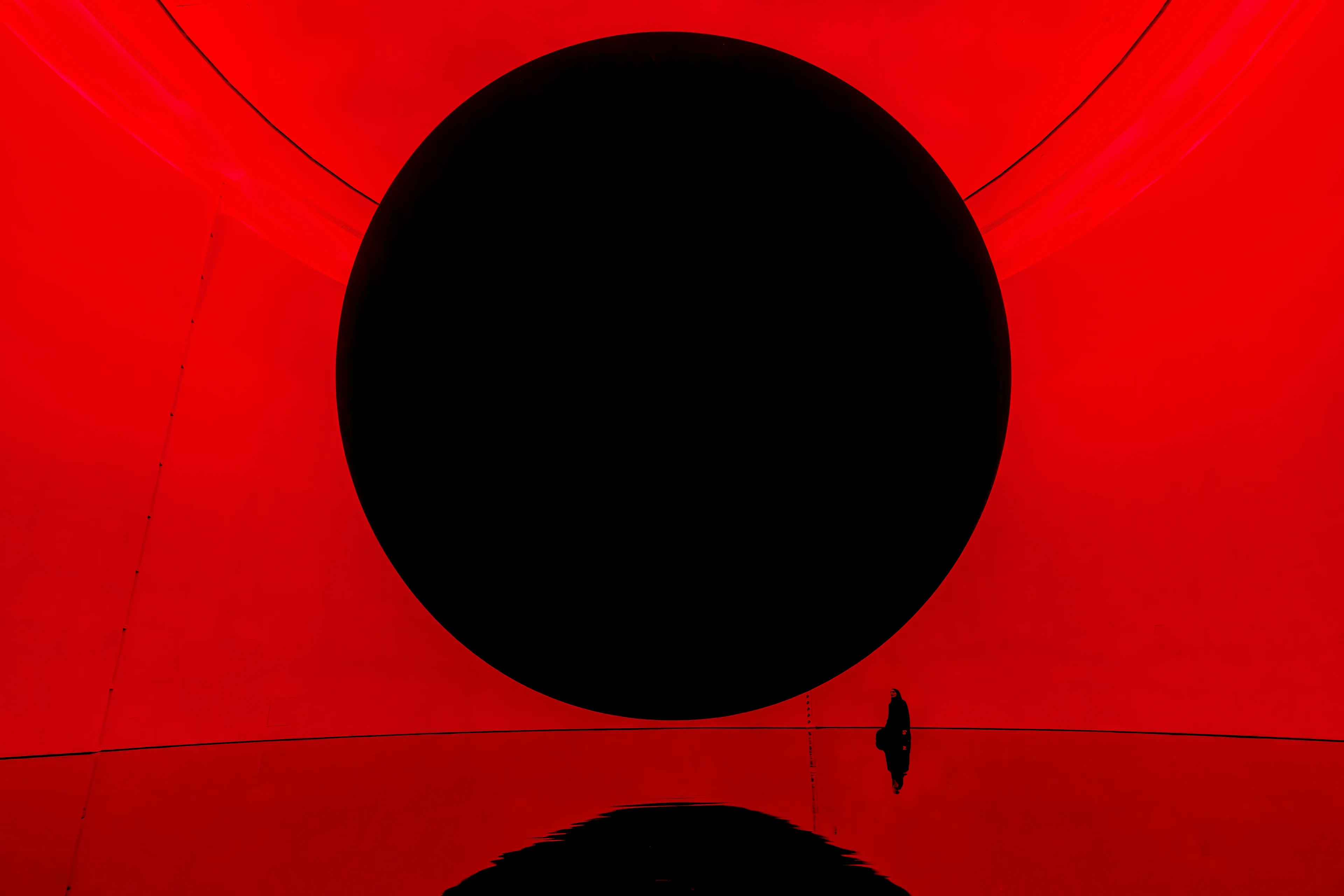
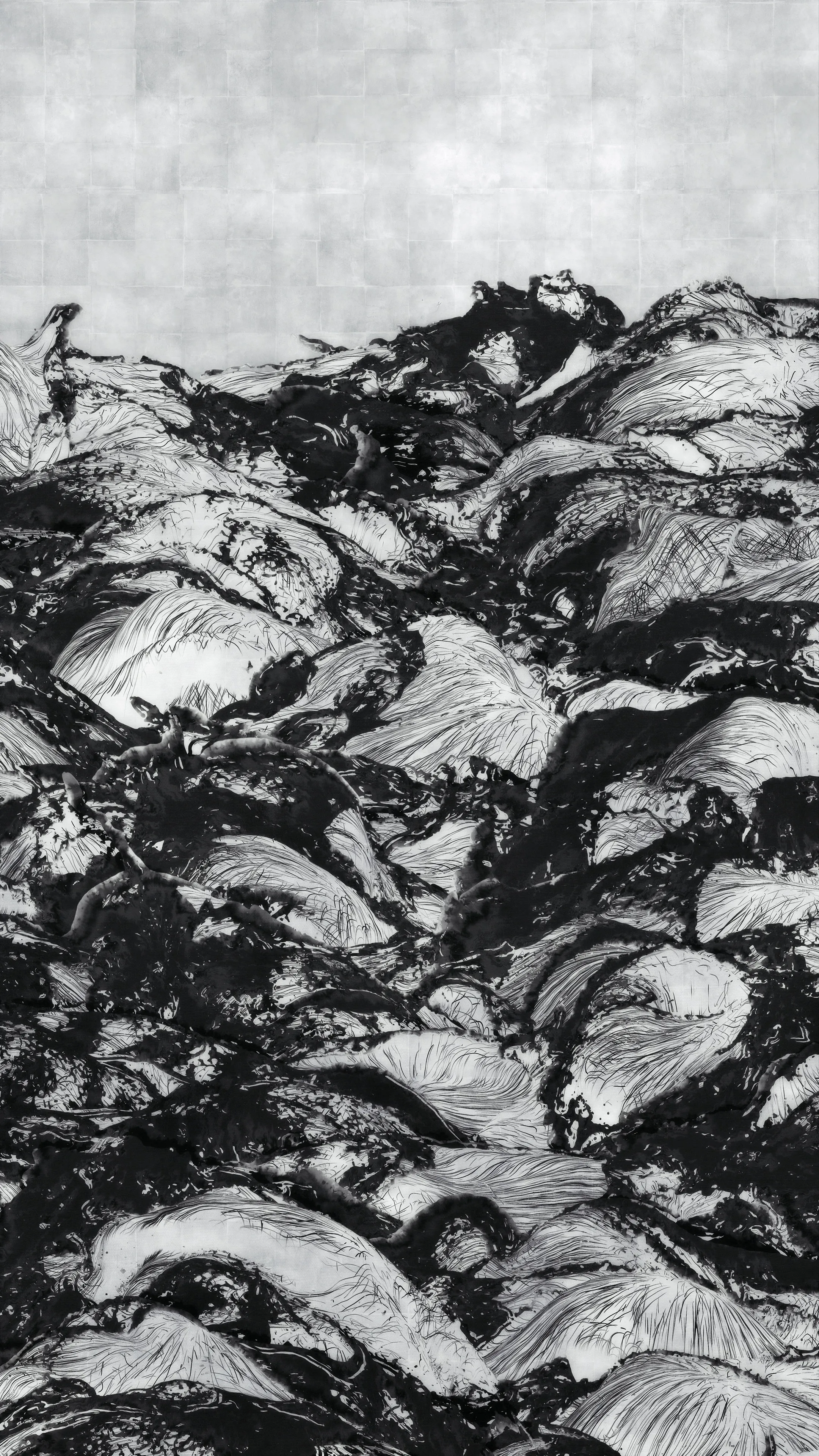
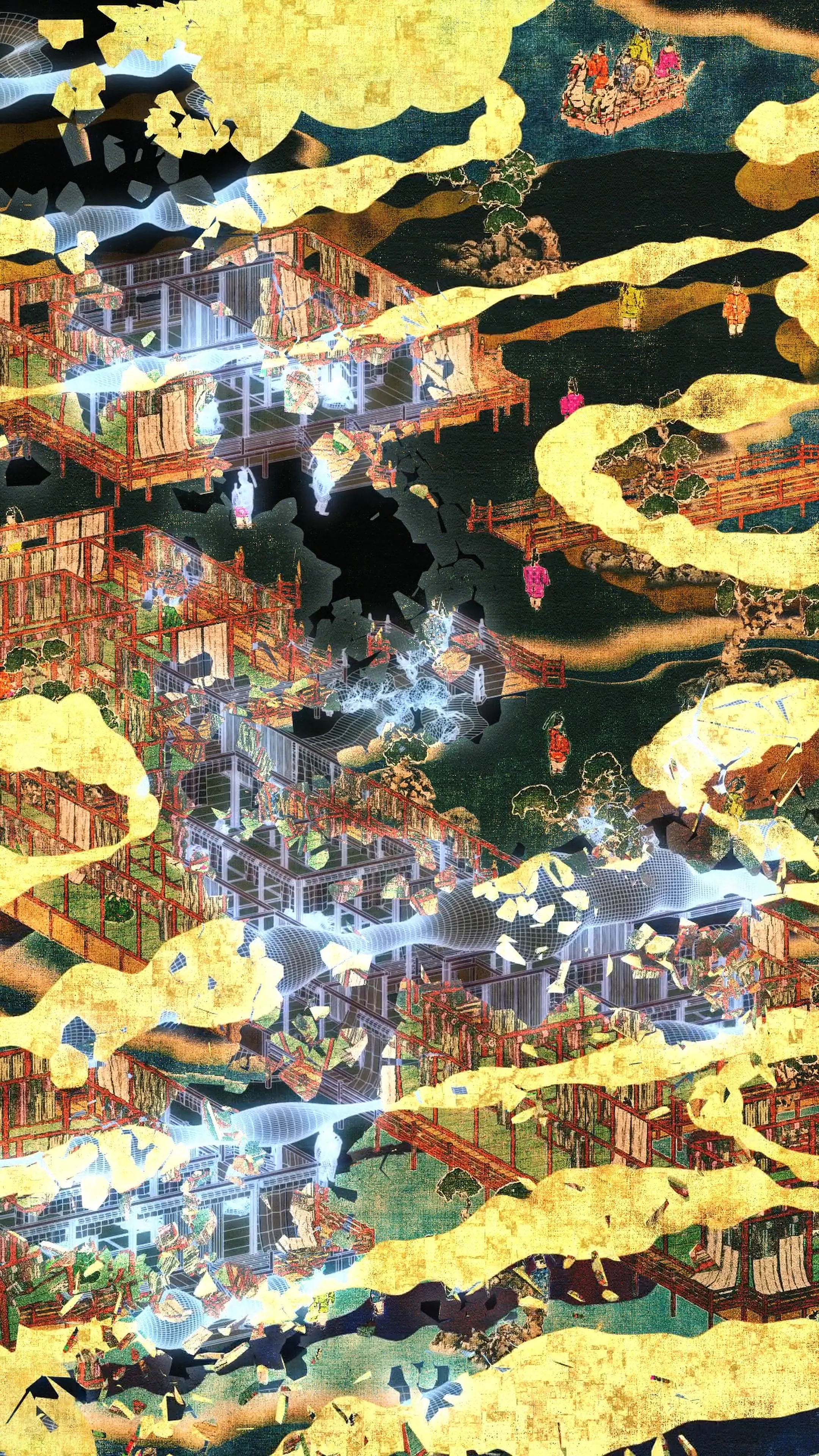
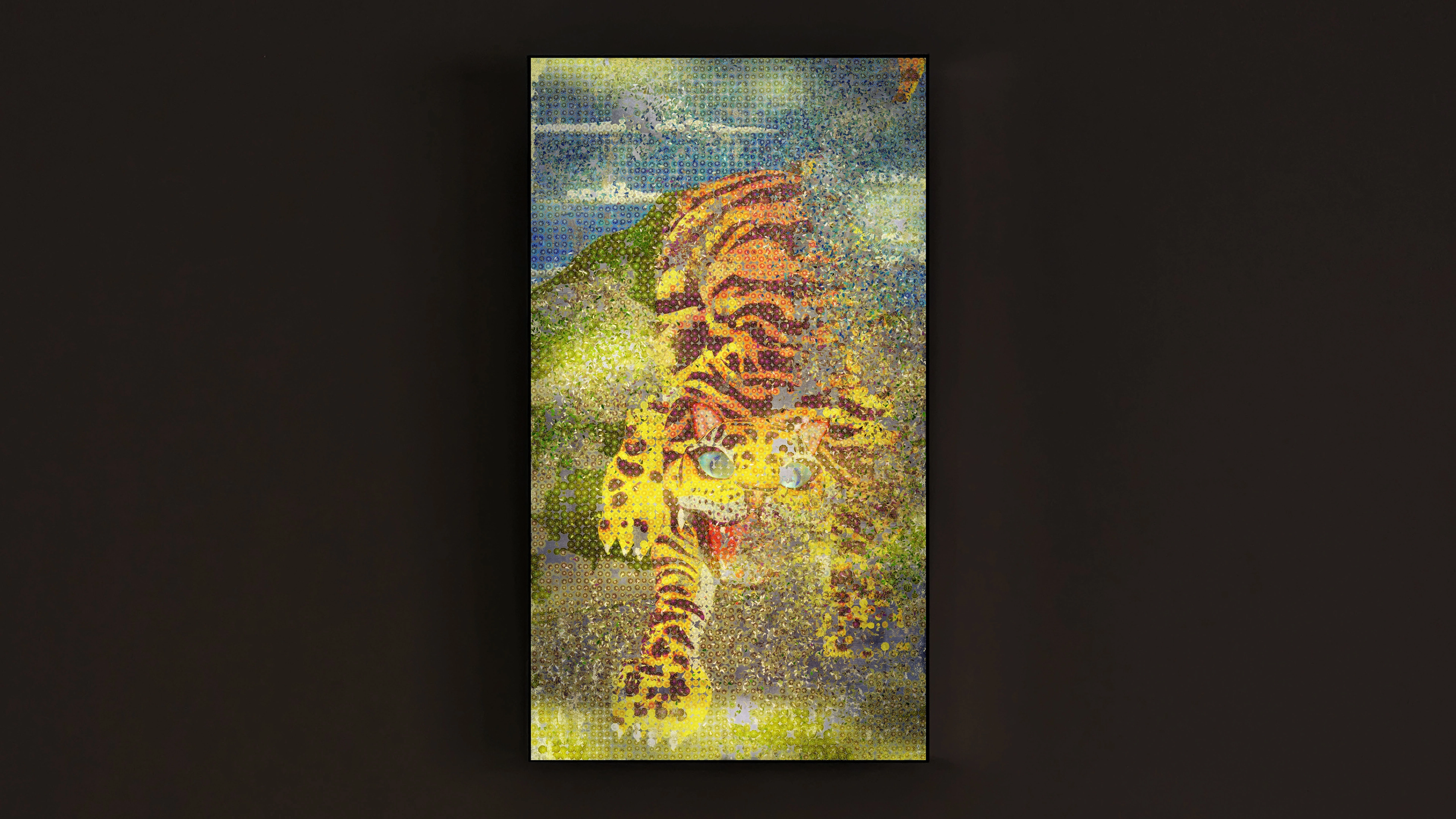
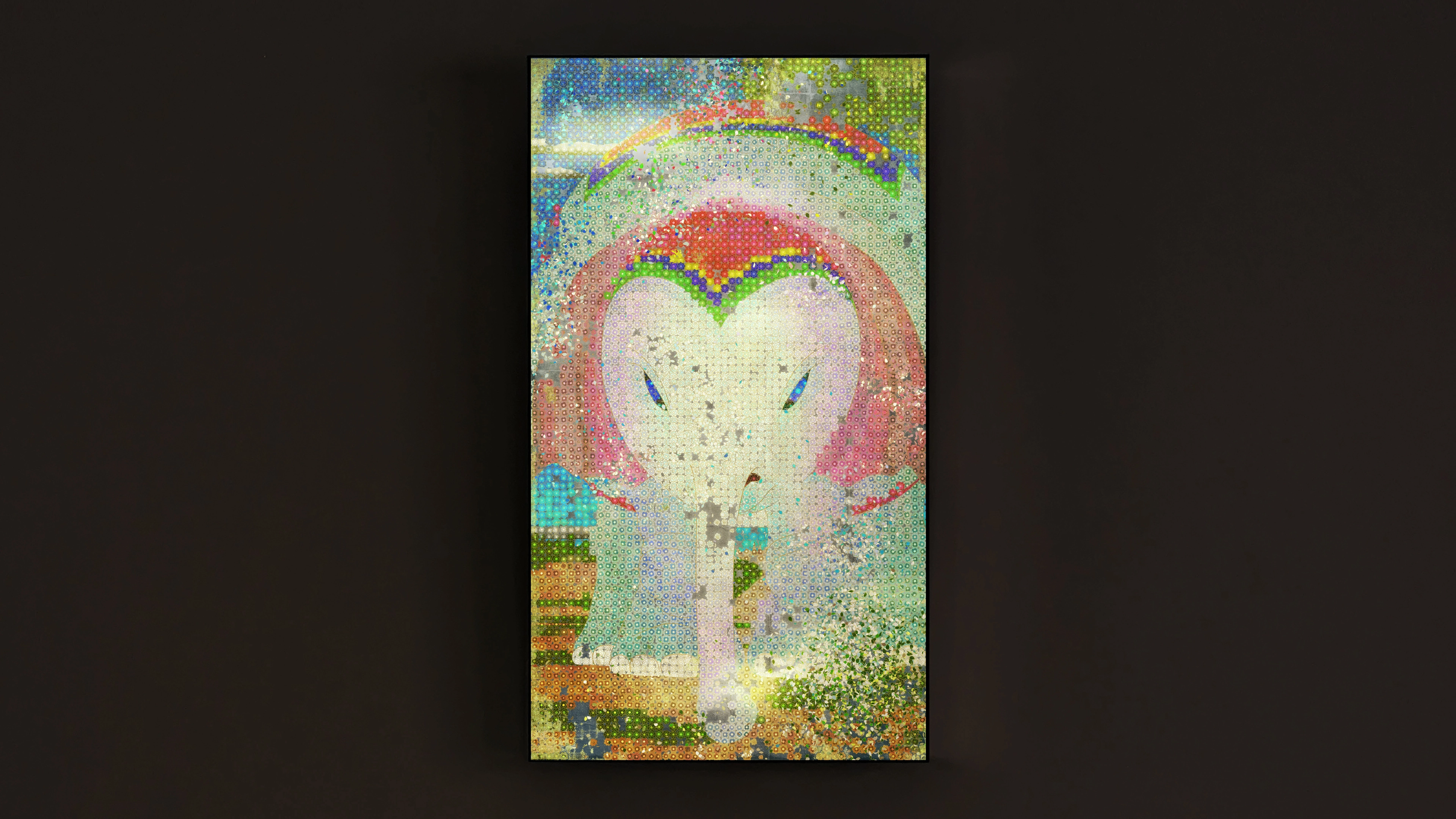
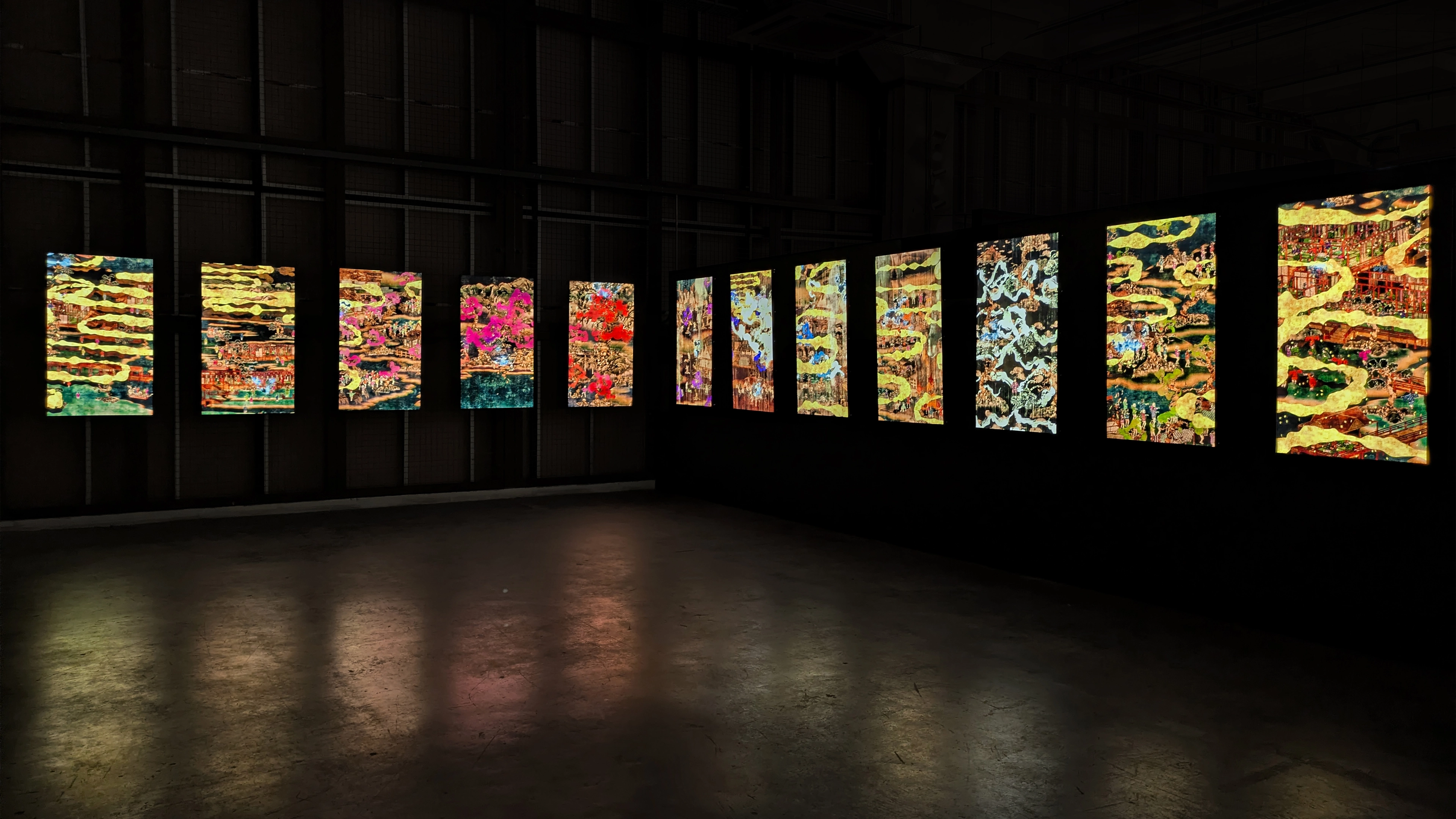
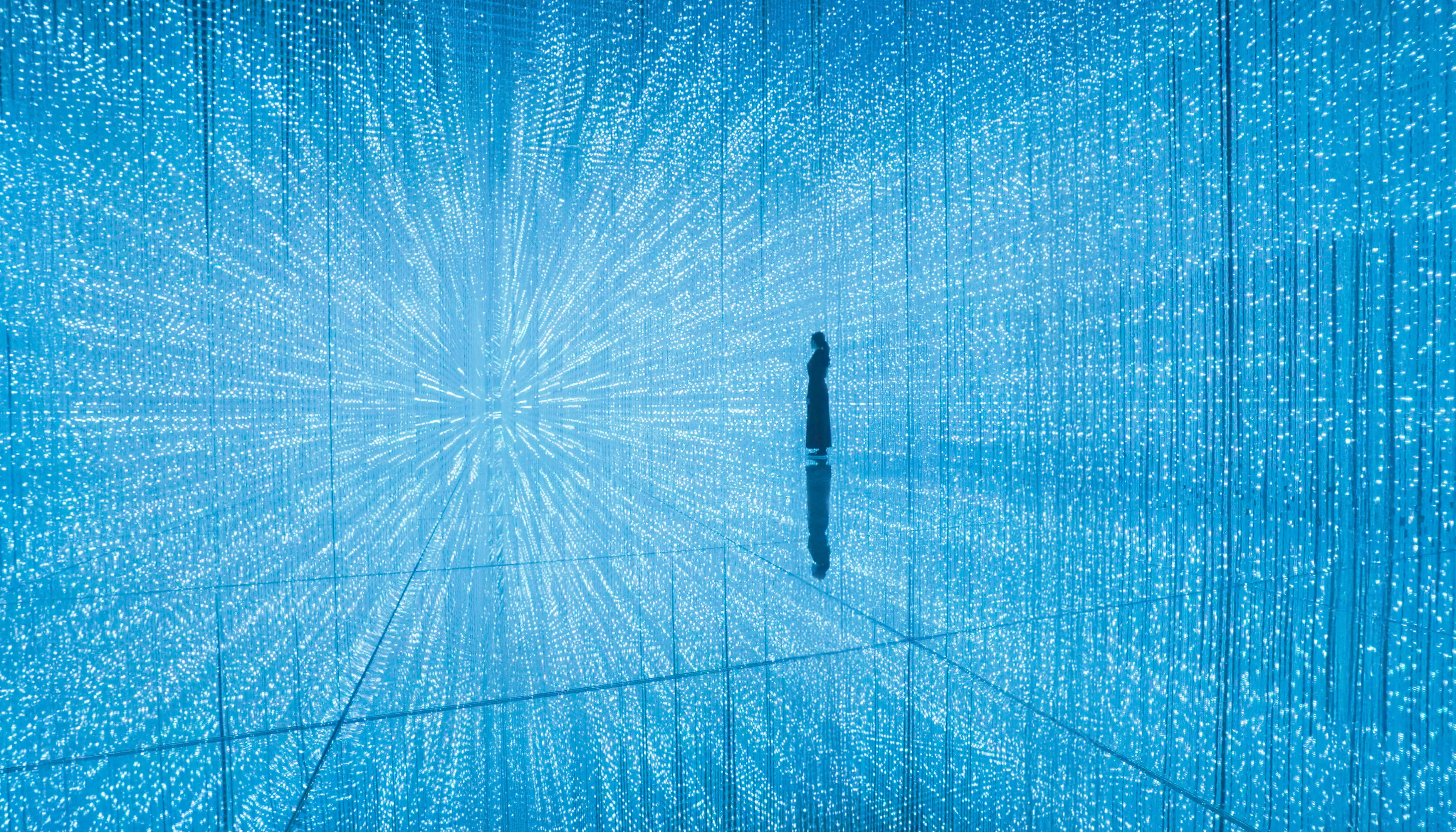
Leaping tigers, blossoming flowers, and a medieval city beset by plague. In this latest exhibition, the lines between reality, history and mythology begin to dissolve. In its place, something beautiful and mysterious emerges – an endless realm of infinite existence.
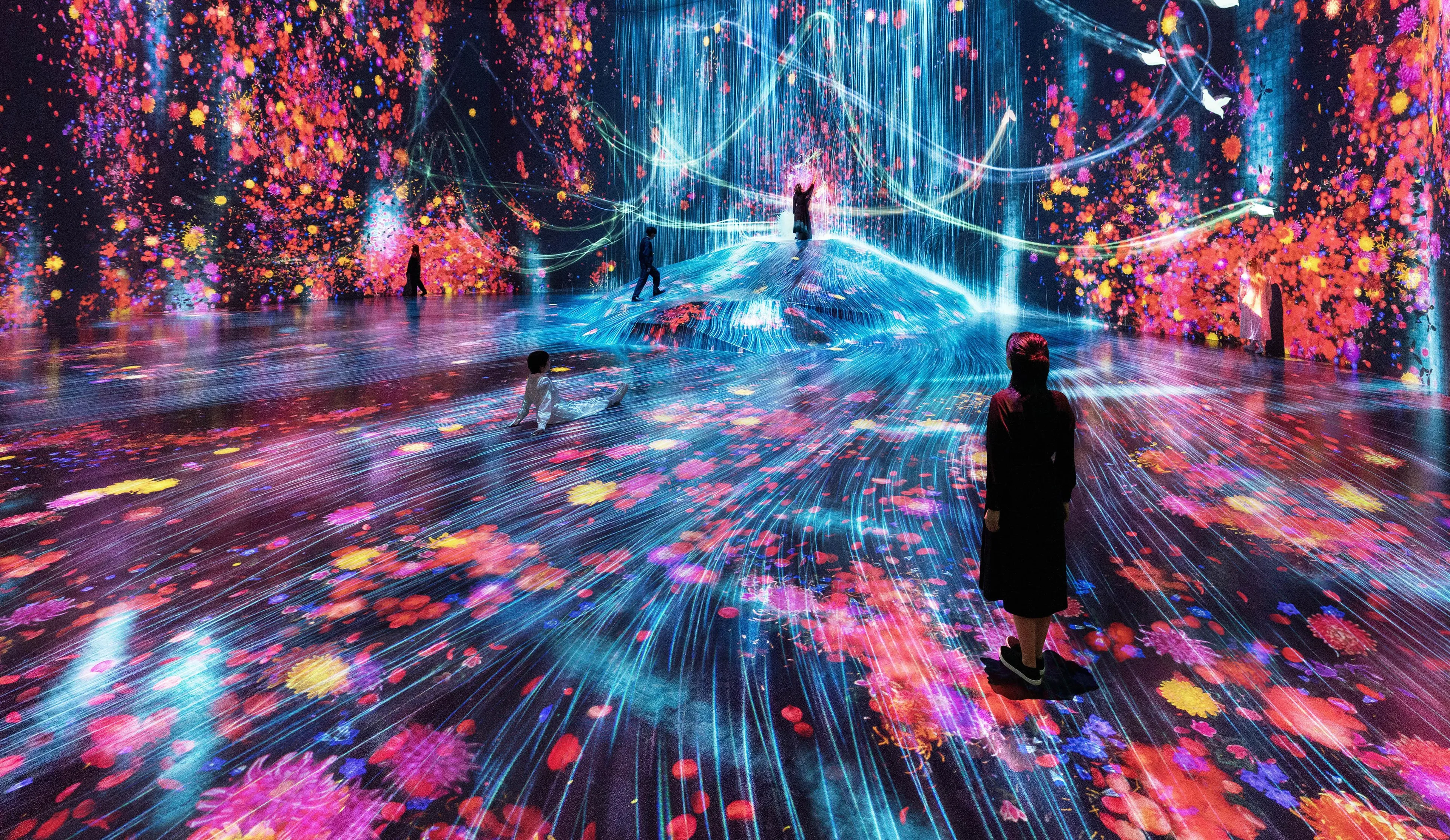
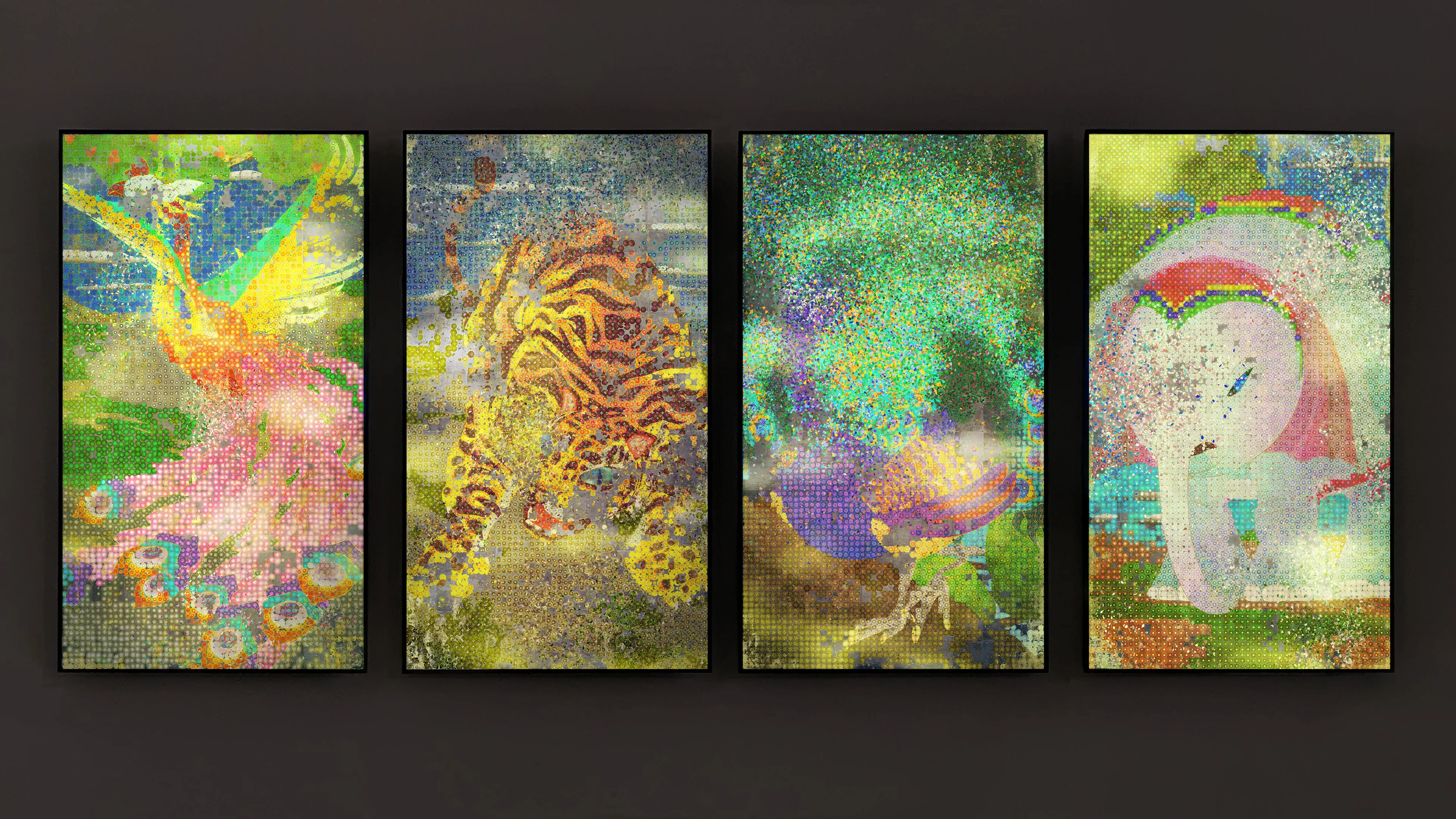
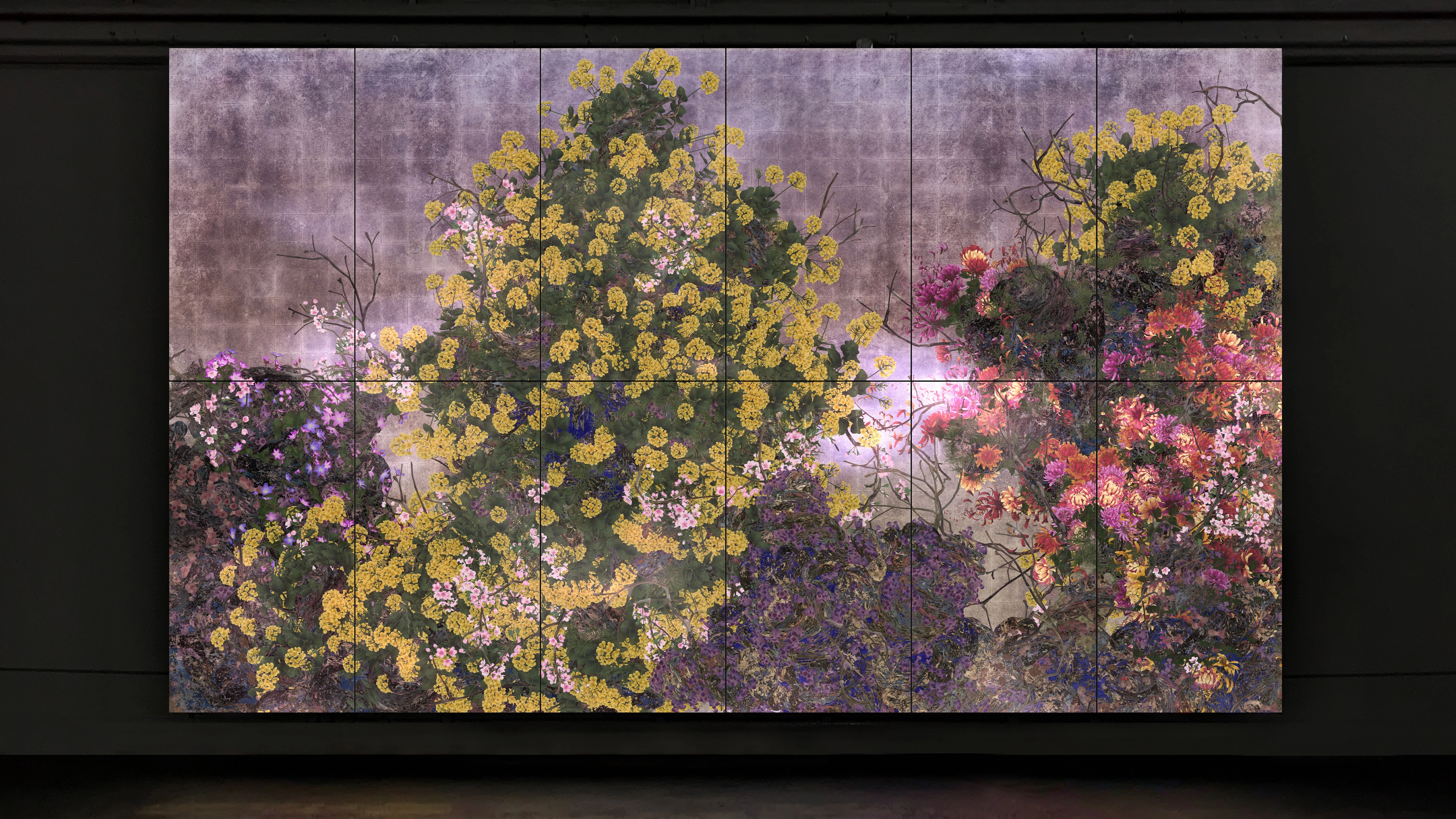
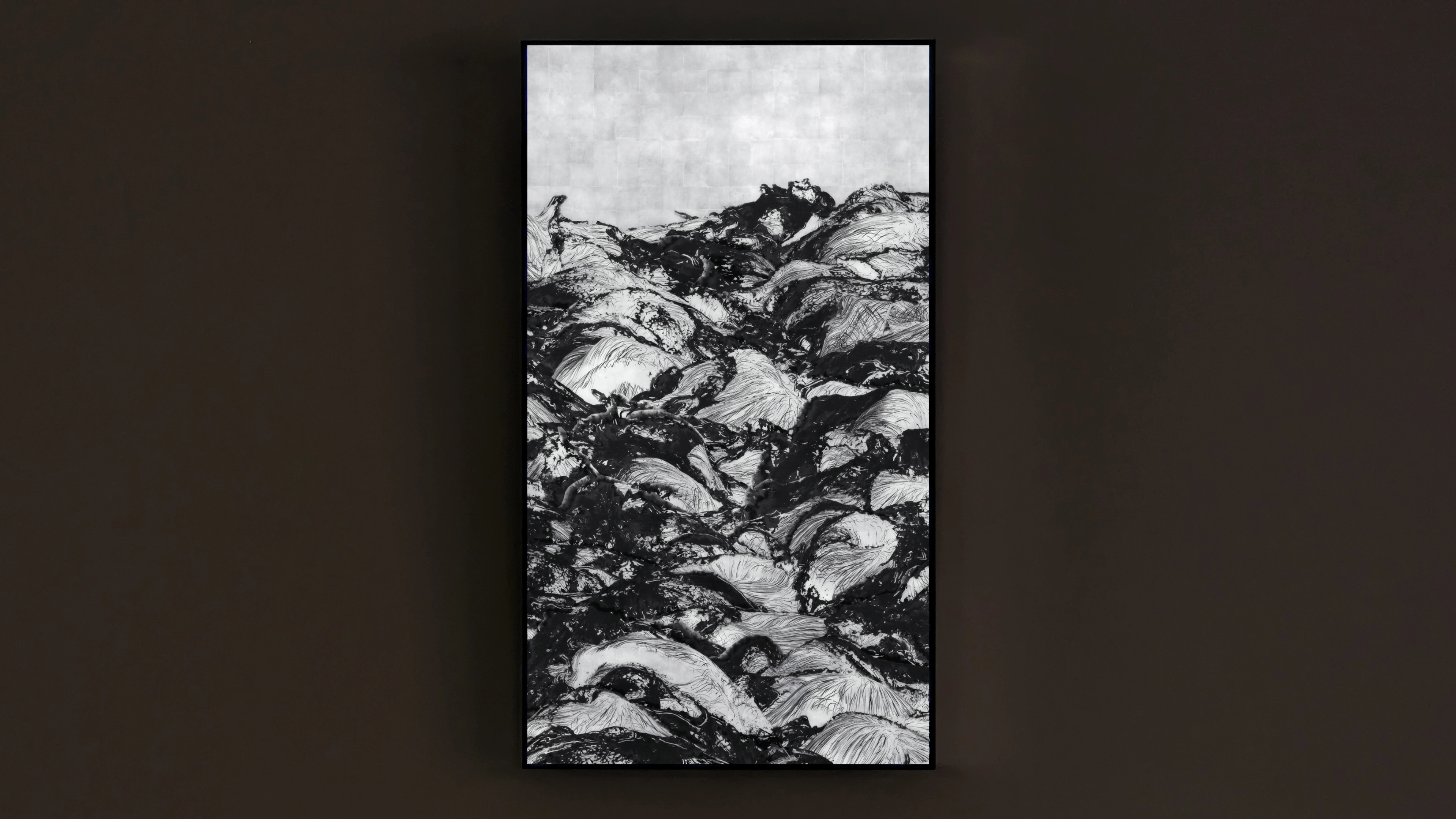
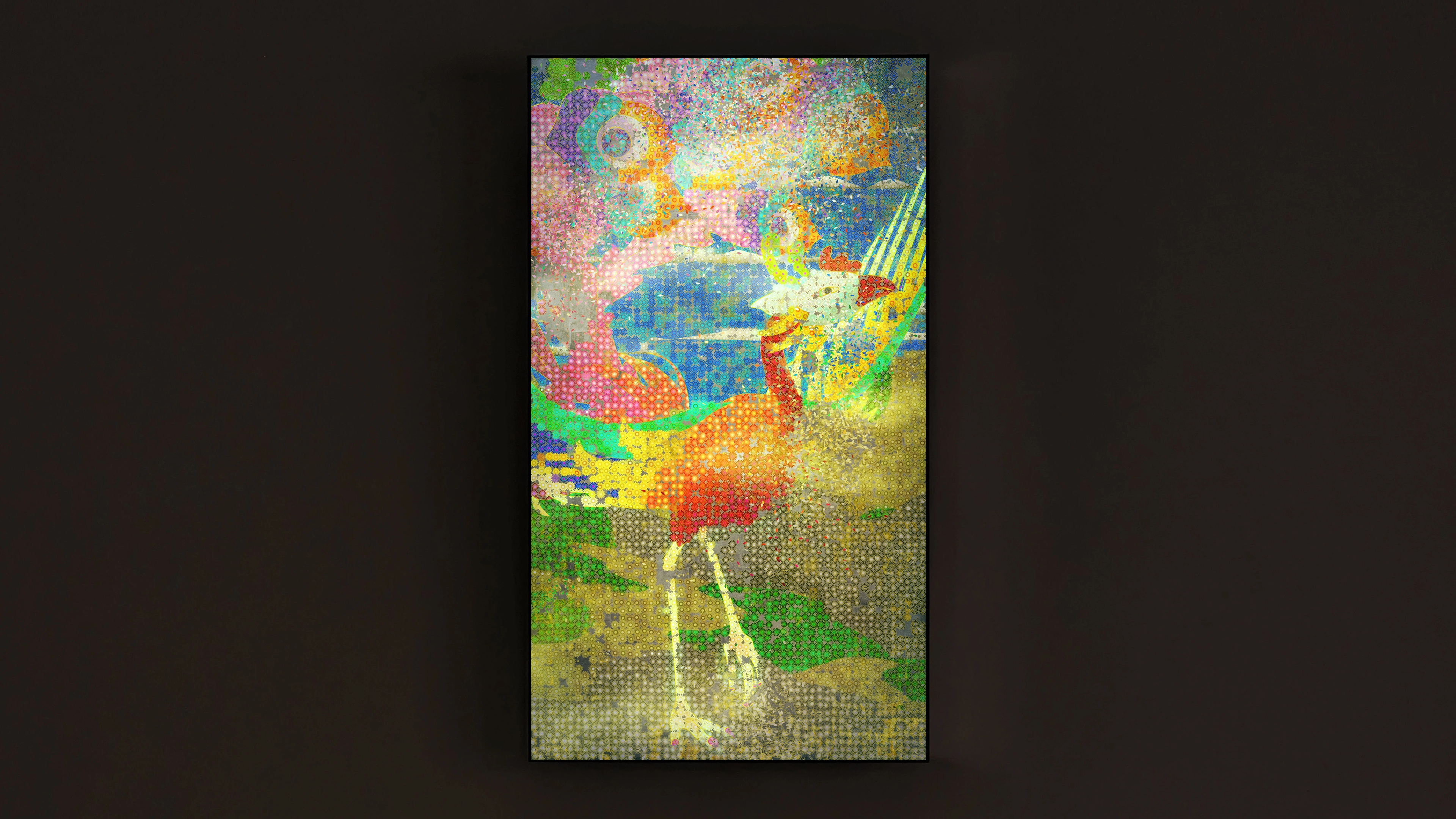
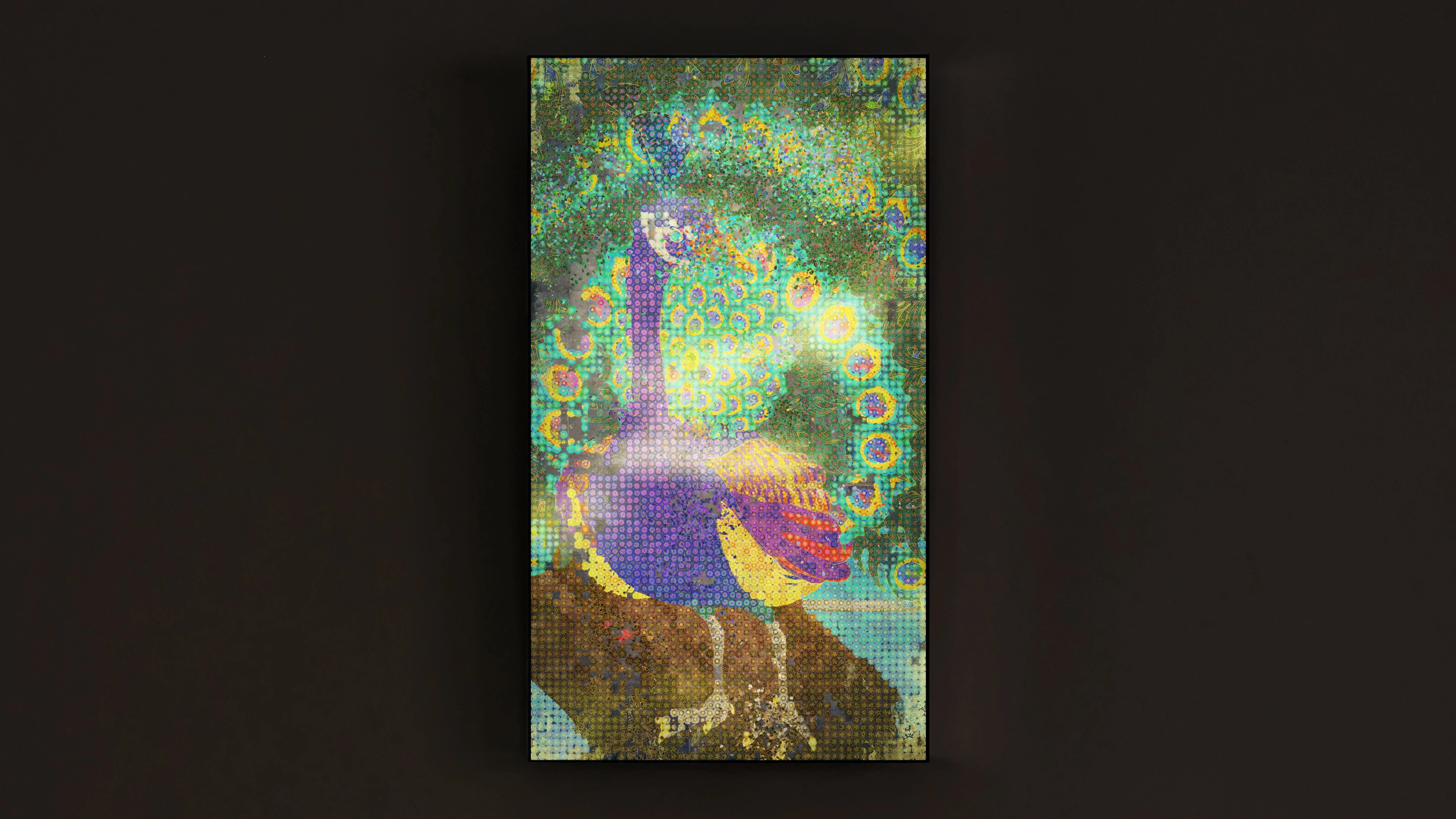
Titled teamLab: Infinite Existence, this solo exhibition marks the first exhibition hosted by Singapore-based art platform Supper House featuring the internationally renowned collective teamLab. Centered around eight unique and dynamic works, the exhibition explores teamLab’s myriad creative inspirations, drawing upon vibrant art histories to conjure visions of limitless beauty. In particular, the exhibition adopts a curatorial focus on the concept of "Ultrasubjective Space" (chõshukan kūkan 超主観空間), in which the boundaries between the real world and the artwork’s interior space are collapsed, creating a single, seamless reality. Inspired by compositional techniques found in premodern East Asian narrative scrolls and painted screens, teamLab has embraced “ultrasubjective space” as a way of refiguring the relationship between viewer and artwork, empowering viewers to chart their own movements through the artwork’s space, thus creating an aesthetic experience that is unique to each individual.
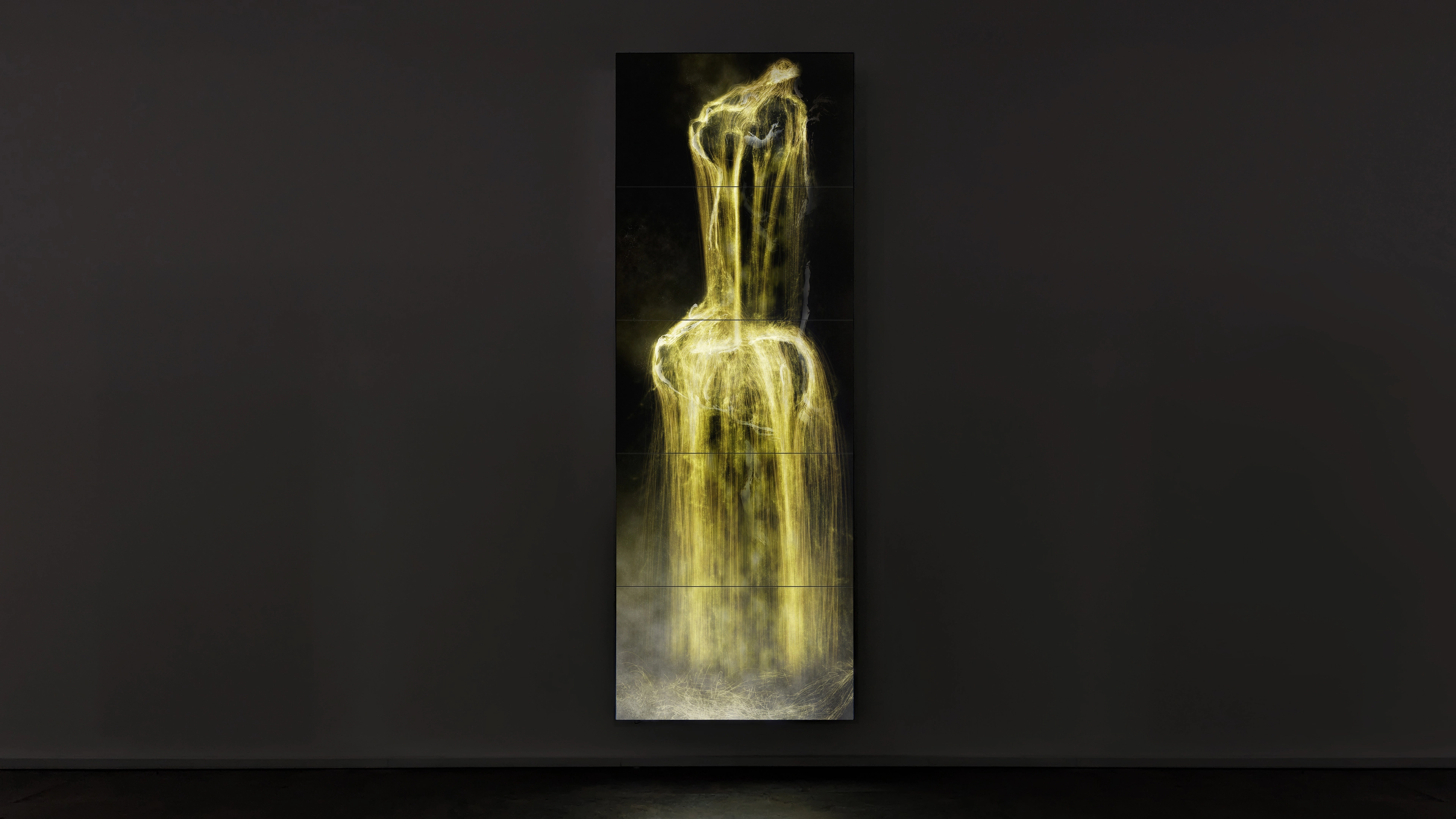
Well known for pushing boundaries of contemporary technology, teamLab nevertheless centres the human experience at the core of its practice. Viewers are invited to gaze upon the ebb and flow of waves and waterfalls; to bear witness to the rise and fall of human civilization; to quietly meditate upon the slow passage of deep geological time. In these dark and uncertain times, the artist collective gently encourages us to become active observers of our own universes, uncovering beauty in everyday moments and ordinary scenes.
Titled teamLab: Infinite Existence, this solo exhibition marks the first exhibition hosted by Singapore-based art platform Supper House featuring the internationally renowned collective teamLab. Centered around eight unique and dynamic works, the exhibition explores teamLab’s myriad creative inspirations, drawing upon vibrant art histories to conjure visions of limitless beauty. In particular, the exhibition adopts a curatorial focus on the concept of "Ultrasubjective Space" (chõshukan kūkan 超主観空間), in which the boundaries between the real world and the artwork’s interior space are collapsed, creating a single, seamless reality. Inspired by compositional techniques found in premodern East Asian narrative scrolls and painted screens, teamLab has embraced “ultrasubjective space” as a way of refiguring the relationship between viewer and artwork, empowering viewers to chart their own movements through the artwork’s space, thus creating an aesthetic experience that is unique to each individual.
Well known for pushing boundaries of contemporary technology, teamLab nevertheless centres the human experience at the core of its practice. Viewers are invited to gaze upon the ebb and flow of waves and waterfalls; to bear witness to the rise and fall of human civilization; to quietly meditate upon the slow passage of deep geological time. In these dark and uncertain times, the artist collective gently encourages us to become active observers of our own universes, uncovering beauty in everyday moments and ordinary scenes.
ー Supper House
Artworks
About teamLab
teamLab (f. 2001) is an international art collective that seeks to navigate the confluence of art, science, technology, and the natural world. Through art, the interdisciplinary group of specialists, including artists, programmers, engineers, CG animators, mathematicians, and architects, aims to explore the relationship between the self and the world, and new forms of perception.
In order to understand the world around them, people separate it into independent entities with perceived boundaries between them. teamLab seeks to transcend these boundaries in our perceptions of the world, of the relationship between the self and the world, and of the continuity of time. Everything exists in a long, fragile yet miraculous, borderless continuity.
teamLab’s works are in the permanent collection of the National Gallery of Victoria, Melbourne; Art Gallery of New South Wales, Sydney; Art Gallery of South Australia, Adelaide; National Gallery of Australia, Canberra; Amos Rex, Helsinki; Museum of Contemporary Art, Los Angeles; Asian Art Museum, San Francisco; Borusan Contemporary Art Collection, Istanbul; and Asia Society Museum, New York, among others.
teamlab.art
Biographical Documents
Visit Us
General Information
teamLab: Infinite Existence
Term
Sep 19 - Nov 08, 2026
Hours
Thurs - Saturday 12:00 - 19:00
Sun 12:00 - 17:00
Sun 12:00 - 17:00
Closed
Mon - Wed
Admission Fee
Free Entry
Website
Access
Address
Supper House
37 Keppel Rd, Unit 04-02
37 Keppel Rd, Unit 04-02
Contact
By email
Exhibitions Nearby
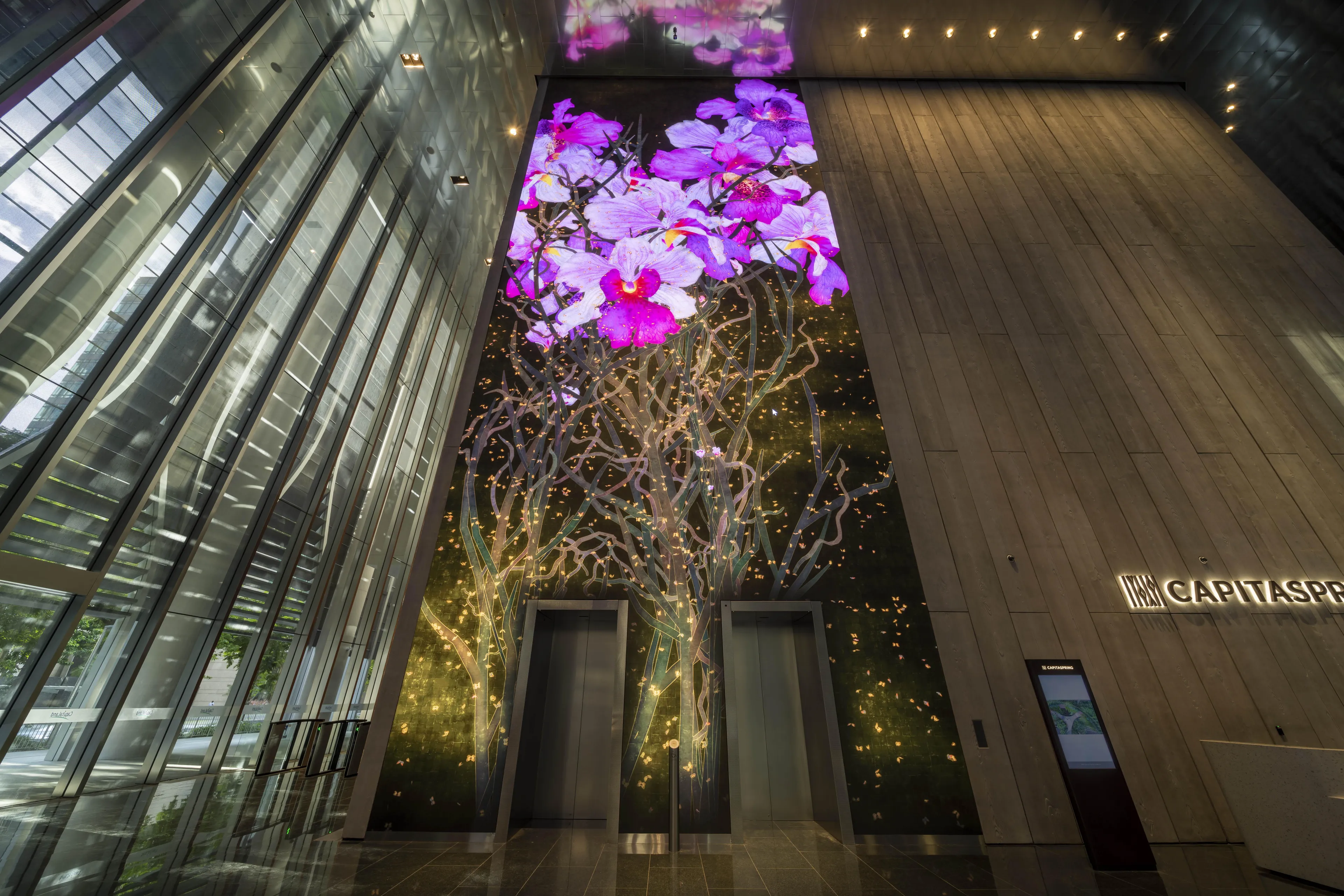
Proliferating Immense Life - Dawn and Dusk, A Whole Year per Year, Singapore
Feb 09, 2022 - Permanent
CapitaSpring, Singapore
Public Art
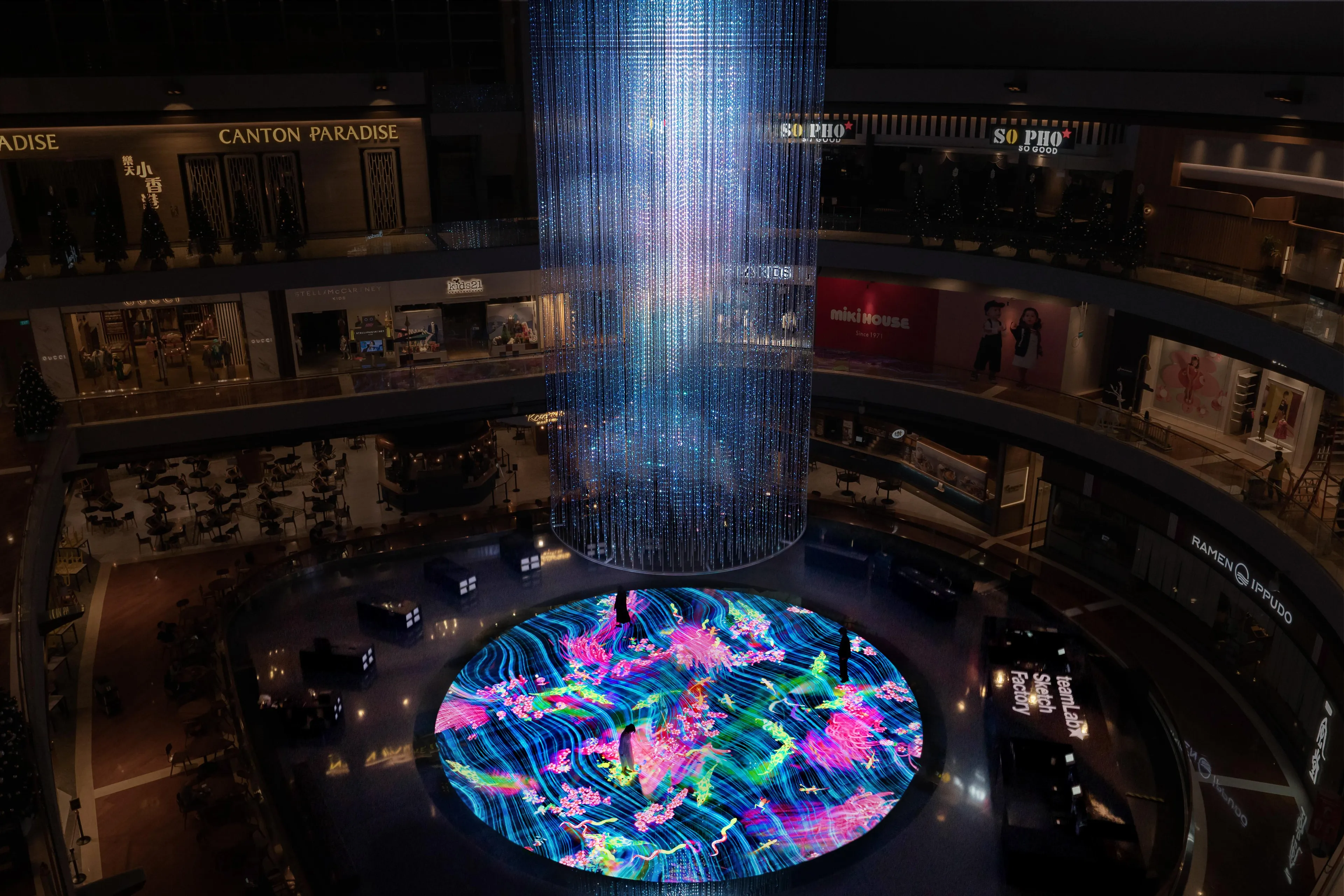
teamLab Digital Light Canvas
Dec 22, 2017 - Permanent
Marina Bay Sands, Singapore
Public Art
teamLab Future World
Mar 12, 2016 - Permanent
ArtScience Museum, Marina Bay Sands, Singapore
Permanent Solo Exhibition