teamLab Biovortex Kyoto to Open 'Teahouse in a Sea of Light' for Savoring Tea. On view from Friday, November 20. Artworks Including Tea in Spontaneous Order on View
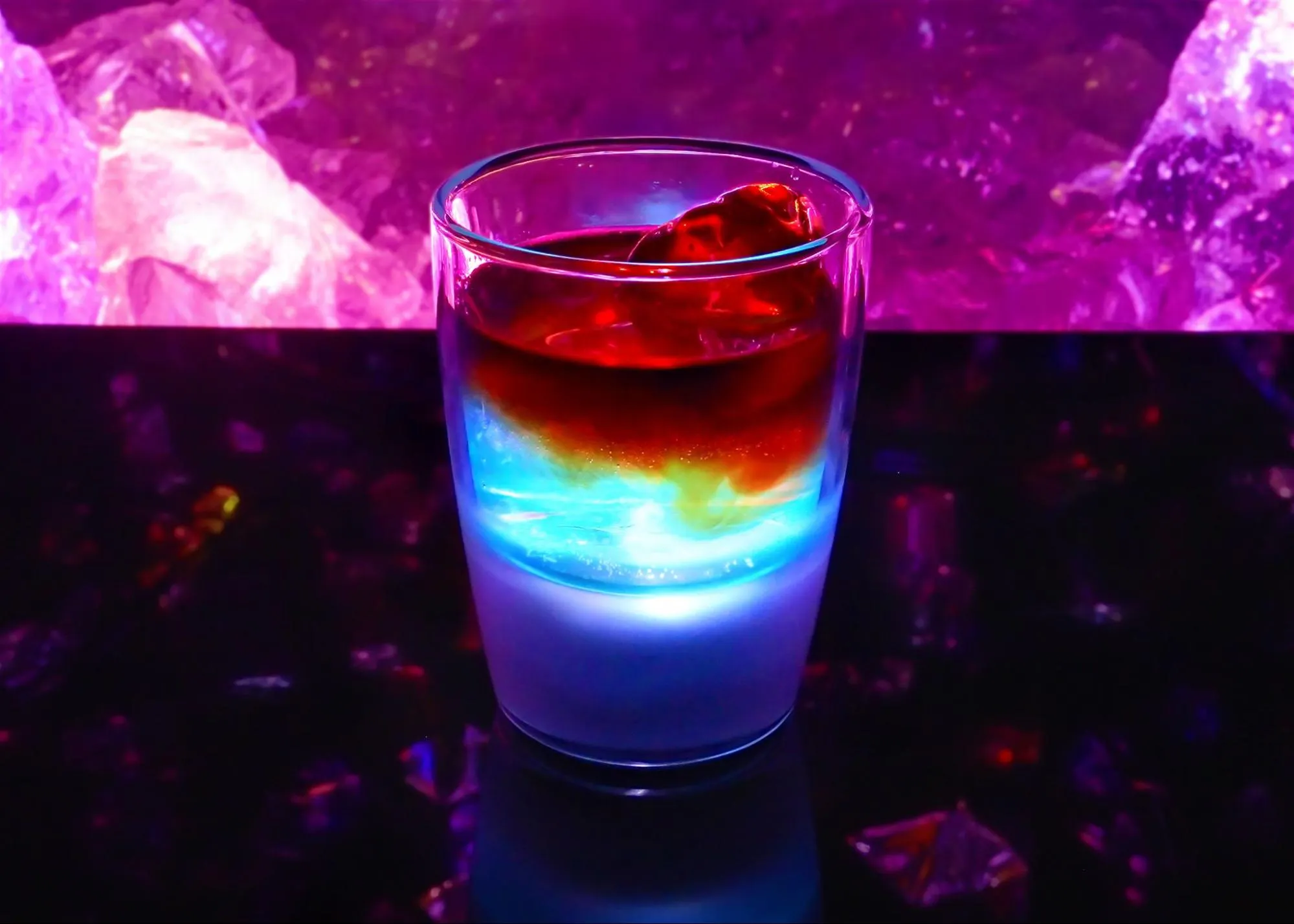
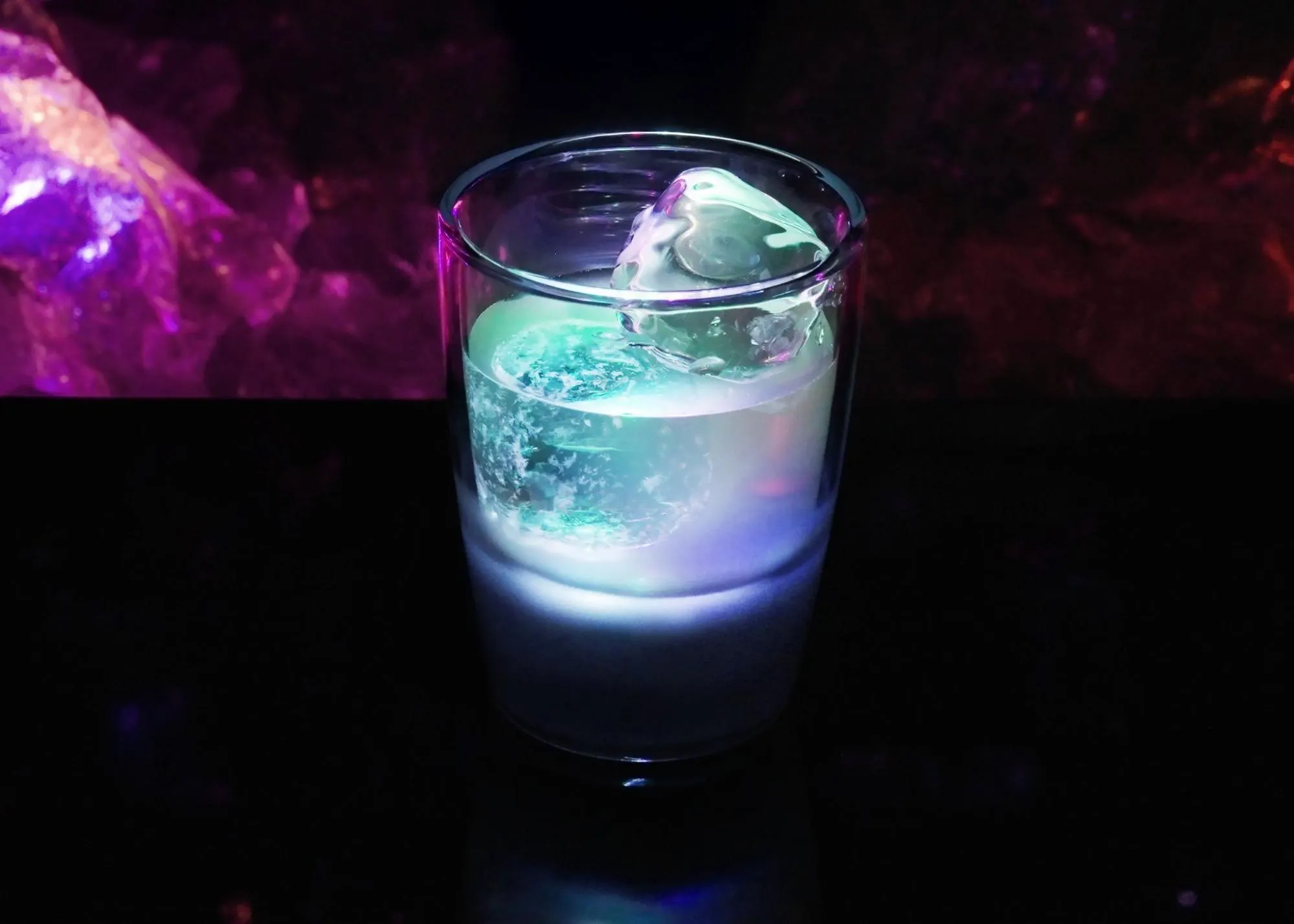
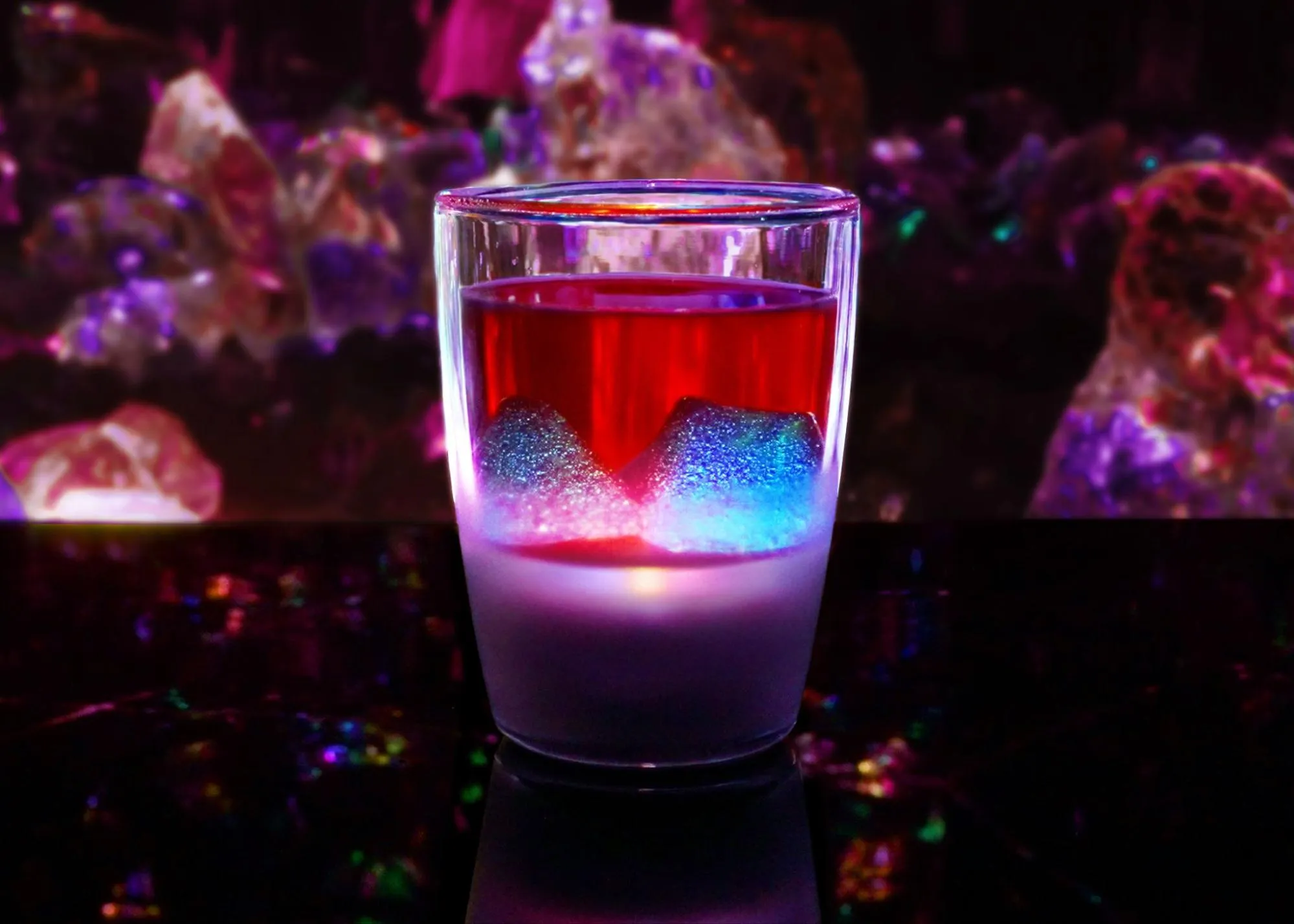
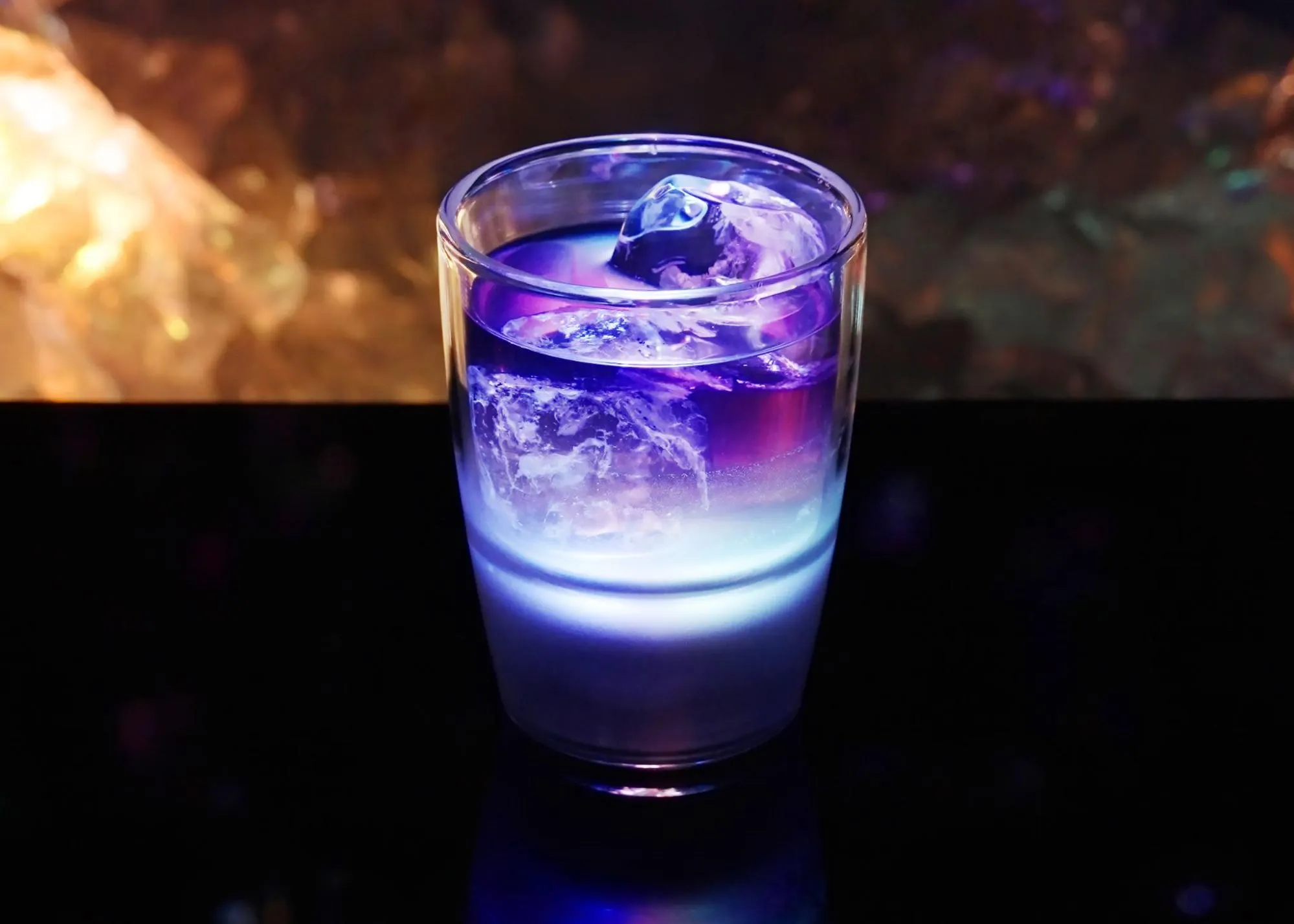
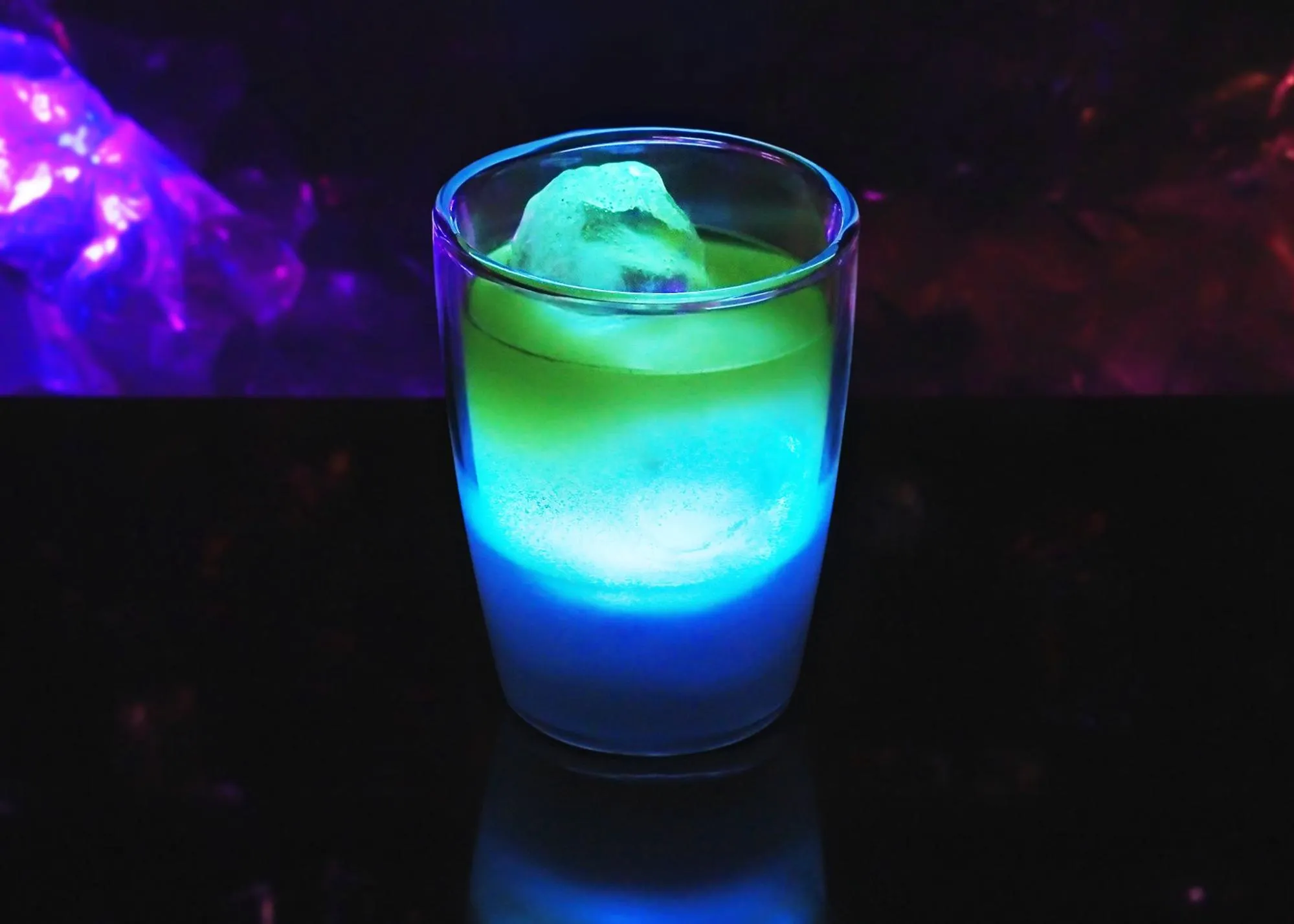
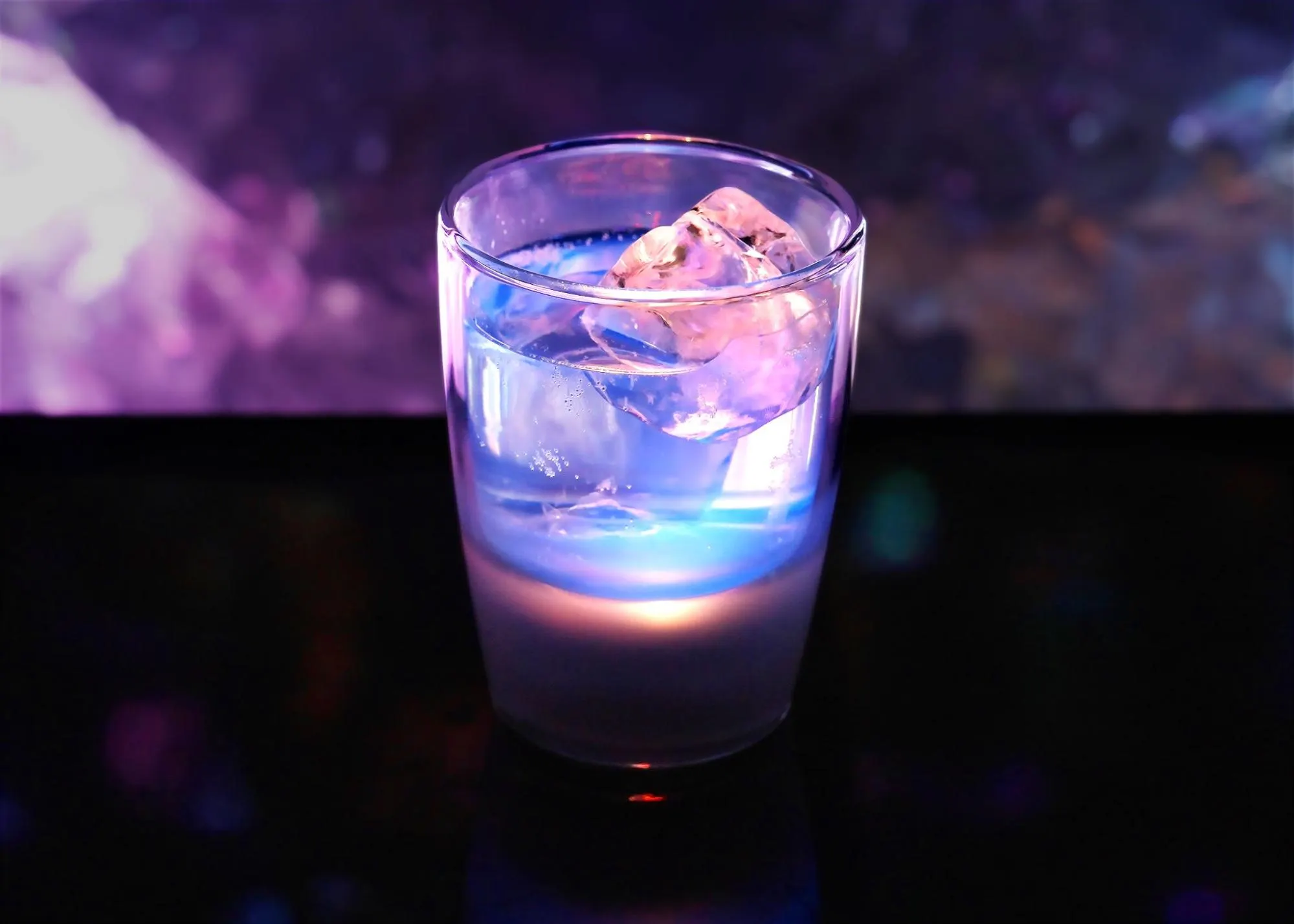
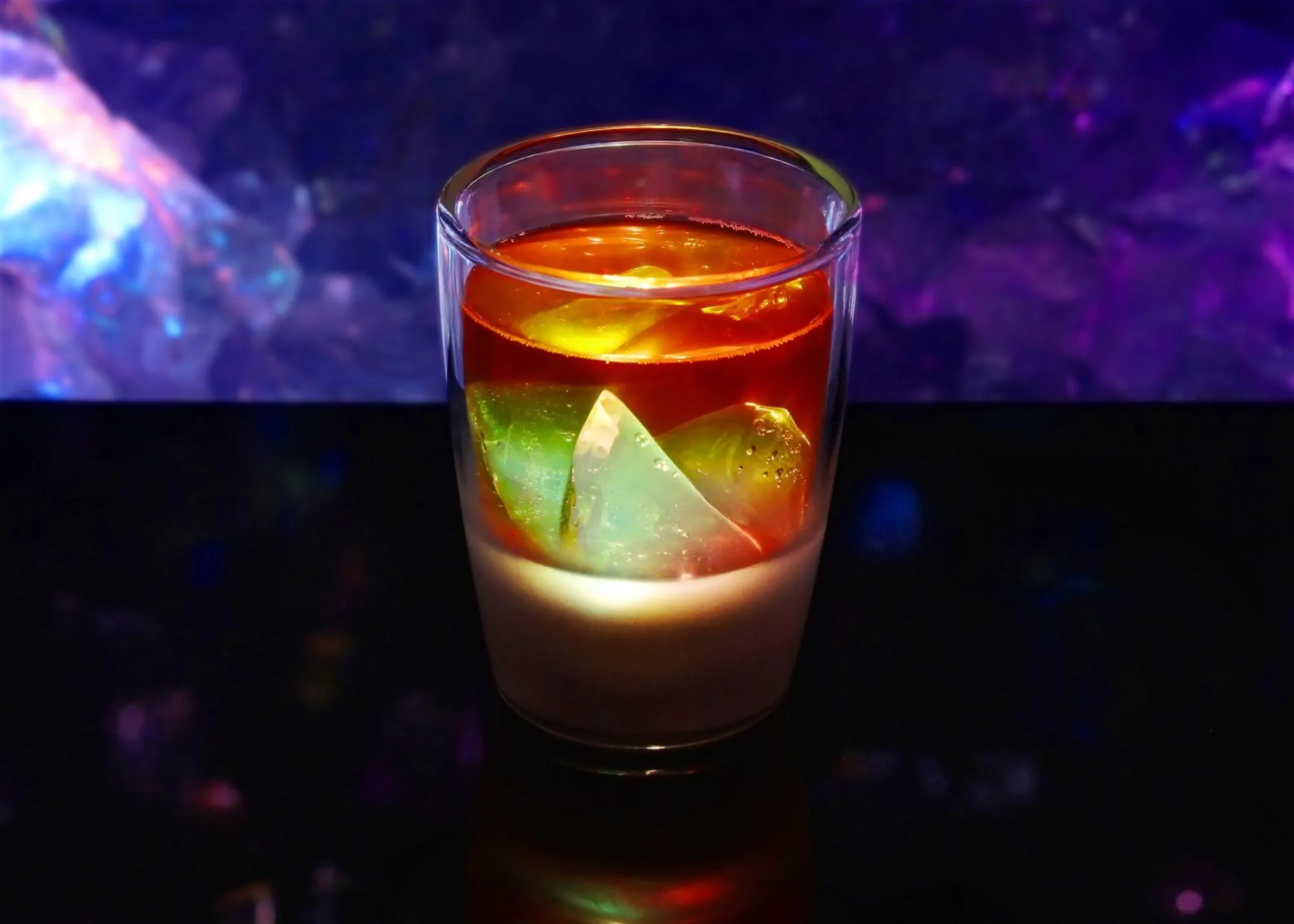
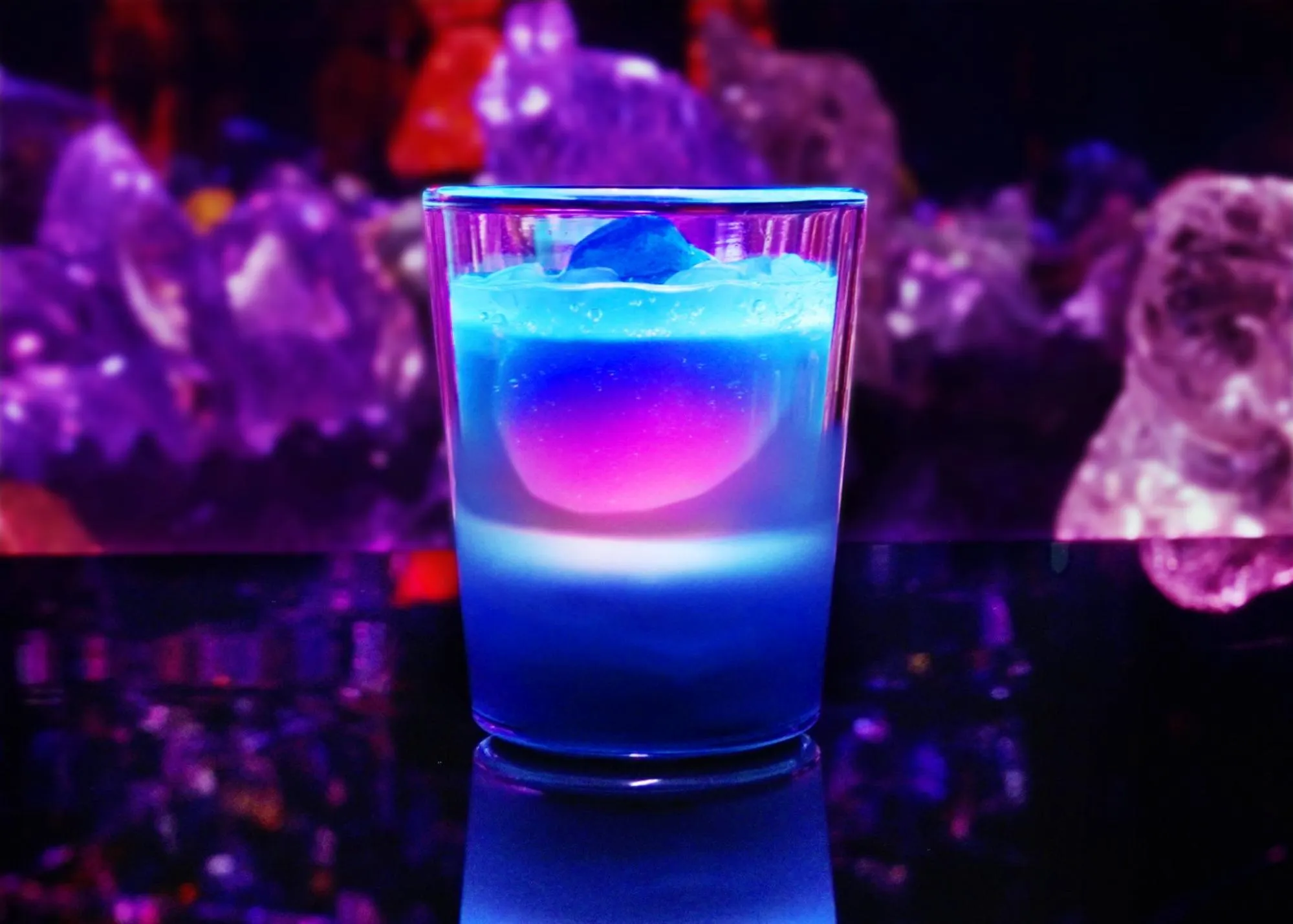
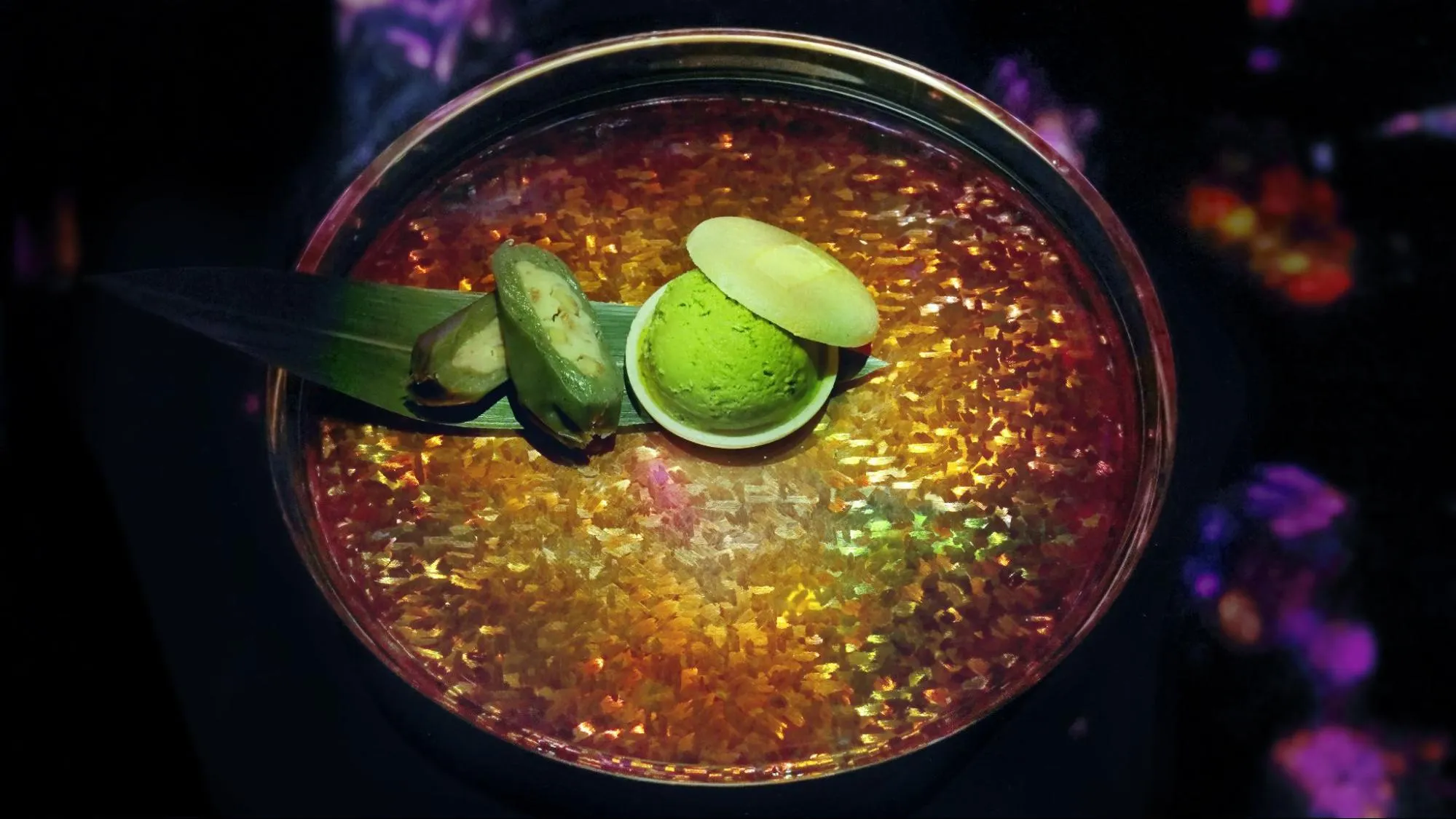
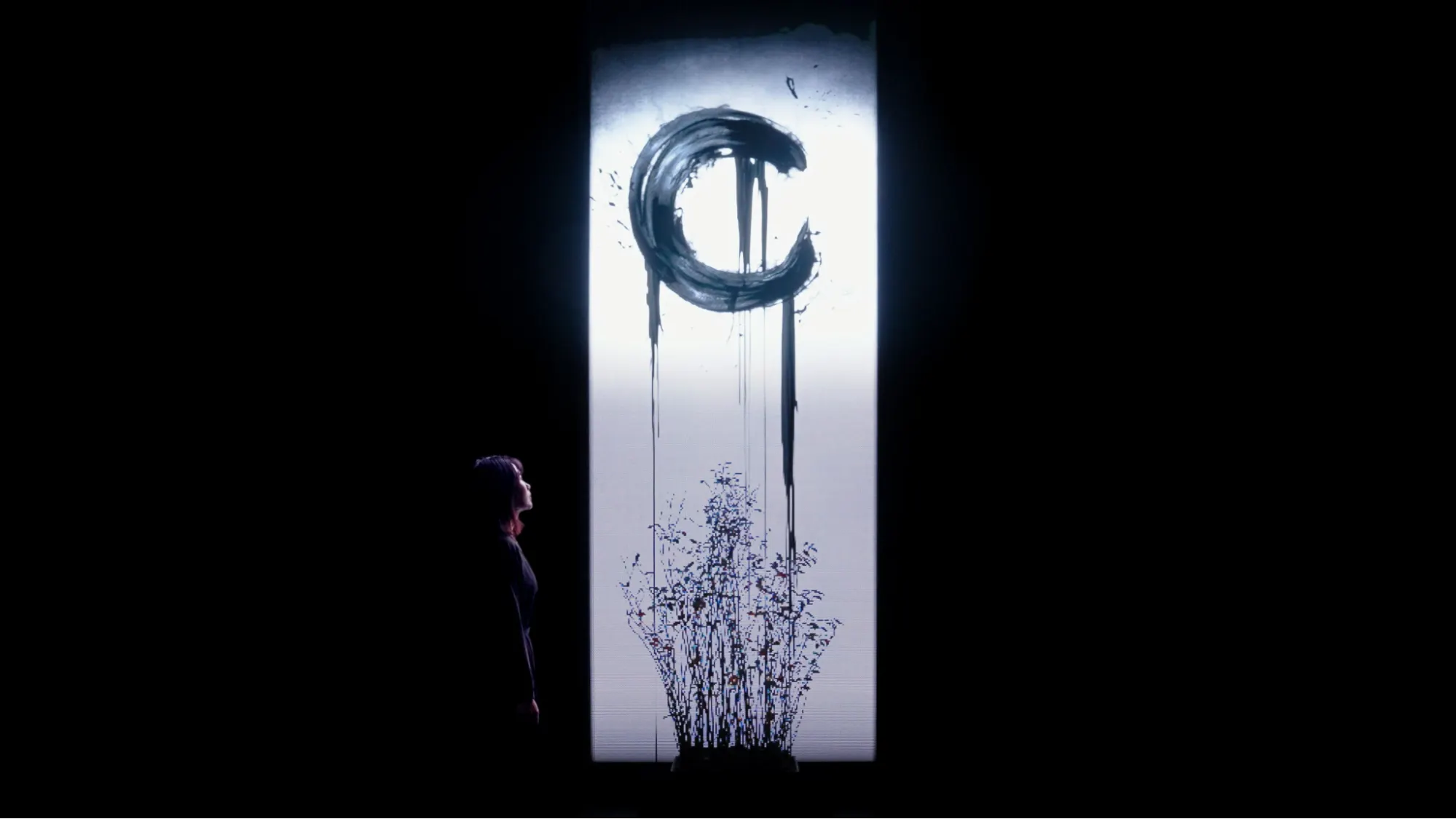
When a cup of tea is made, the artwork is born.
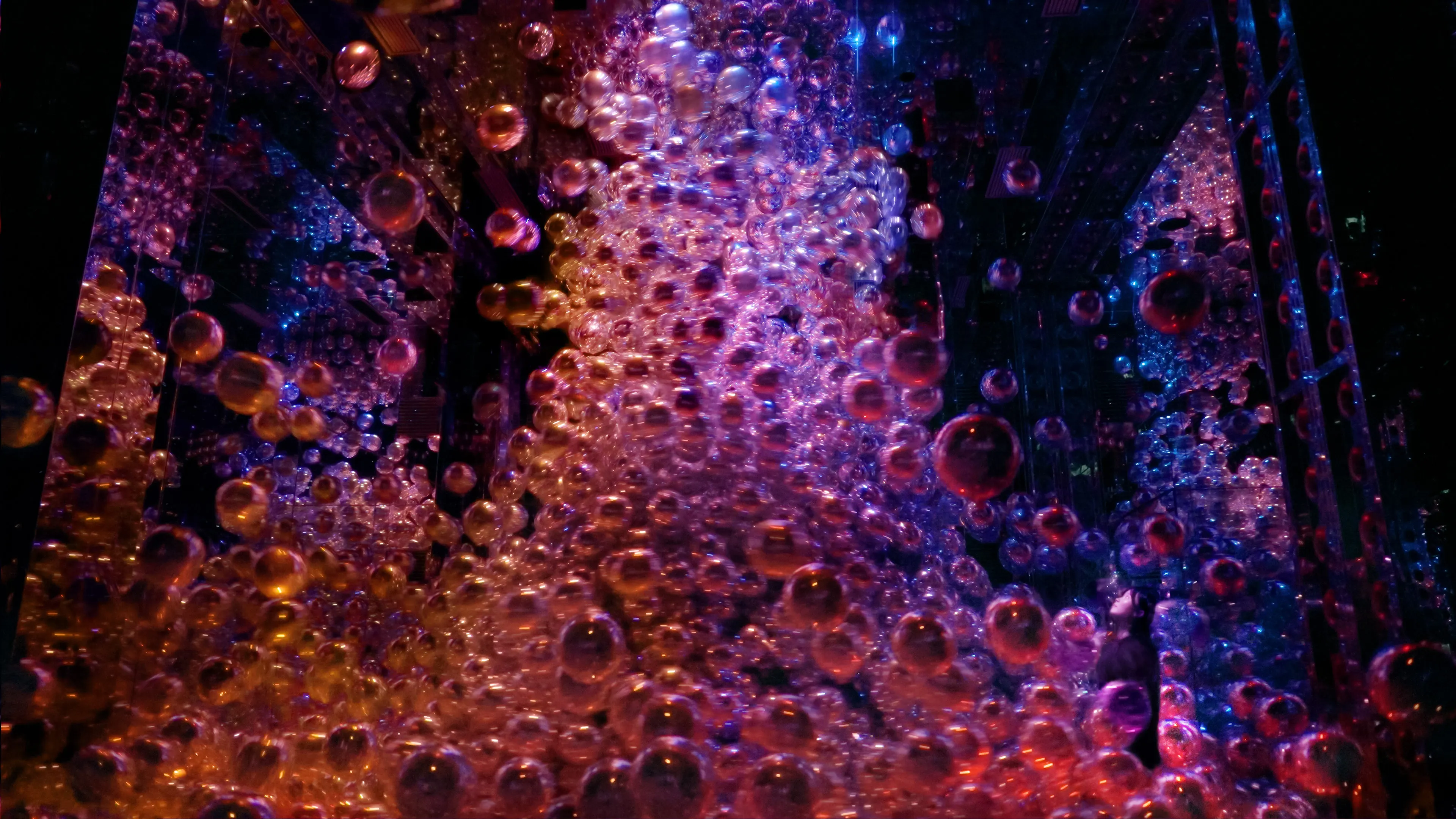
The tea interacts with nearby tea and the sea of light, creating a time structure throughout the entire space of the artwork. Visitors drink part of this formed order itself.
When a cup of tea is made, the tea glows and produces a tone with its own rhythm. The rhythm of its light interacts with nearby tea and surrounding artworks.
The artwork is born when the tea is made, and ceases to exist when the tea is drunk.
Through simple local interactions between the tea, nearby tea, and surrounding artworks, a time structure is created throughout the entire space of the artwork. Drink part of the order that has been formed.
A spontaneous order phenomenon occurs when different rhythms influence each other and become aligned. Examples include when the pendulums of two clocks gradually begin to swing together, when many fireflies gather in one tree and all start flashing at the same time, creating a larger light phenomenon, or when the cells that make up the heart synchronize and tremble simultaneously to create the beating of the heart. The phenomenon of self-organization is the creation of a large structure with order resulting from the autonomous behavior of each individual, even though each individual does not have the ability to observe the whole. This can also be called a self-organization phenomenon.
Waves of light.
The artwork exists as a result of a phenomenon. The phenomenon is born from the environment, and the environment maintains its existence.
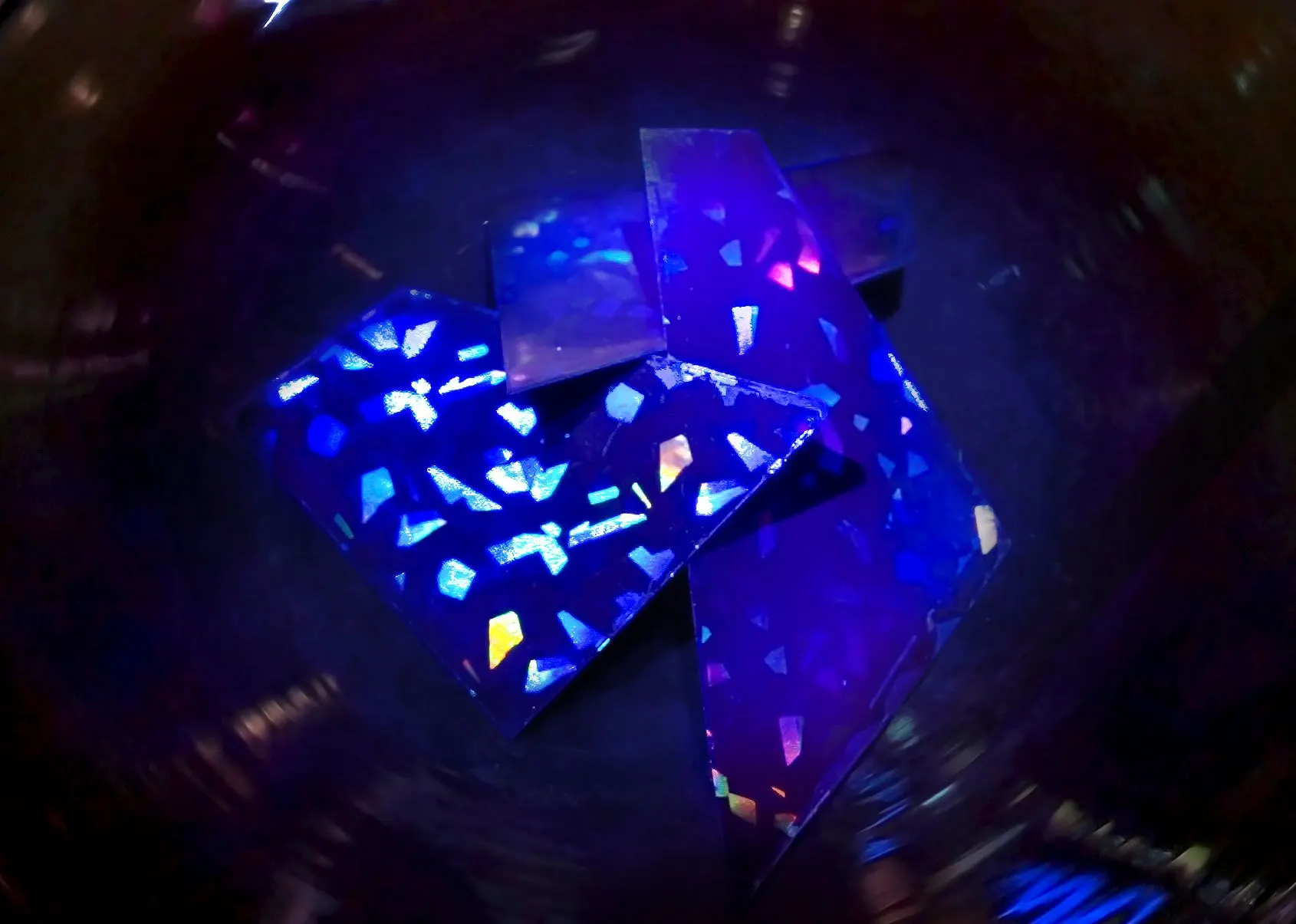
The light inside the rocks solidifies, and flowers bloom.
As viewers move their bodies and change their viewing angle, the appearance of the flowers also changes. The flowers are shaped not by fixed physical objects, but by the relationship between light, the rocks, and the body that perceives them.
The artwork is created using glass rocks collected from the crushed glass that remains in the melting furnaces of a glass factory.
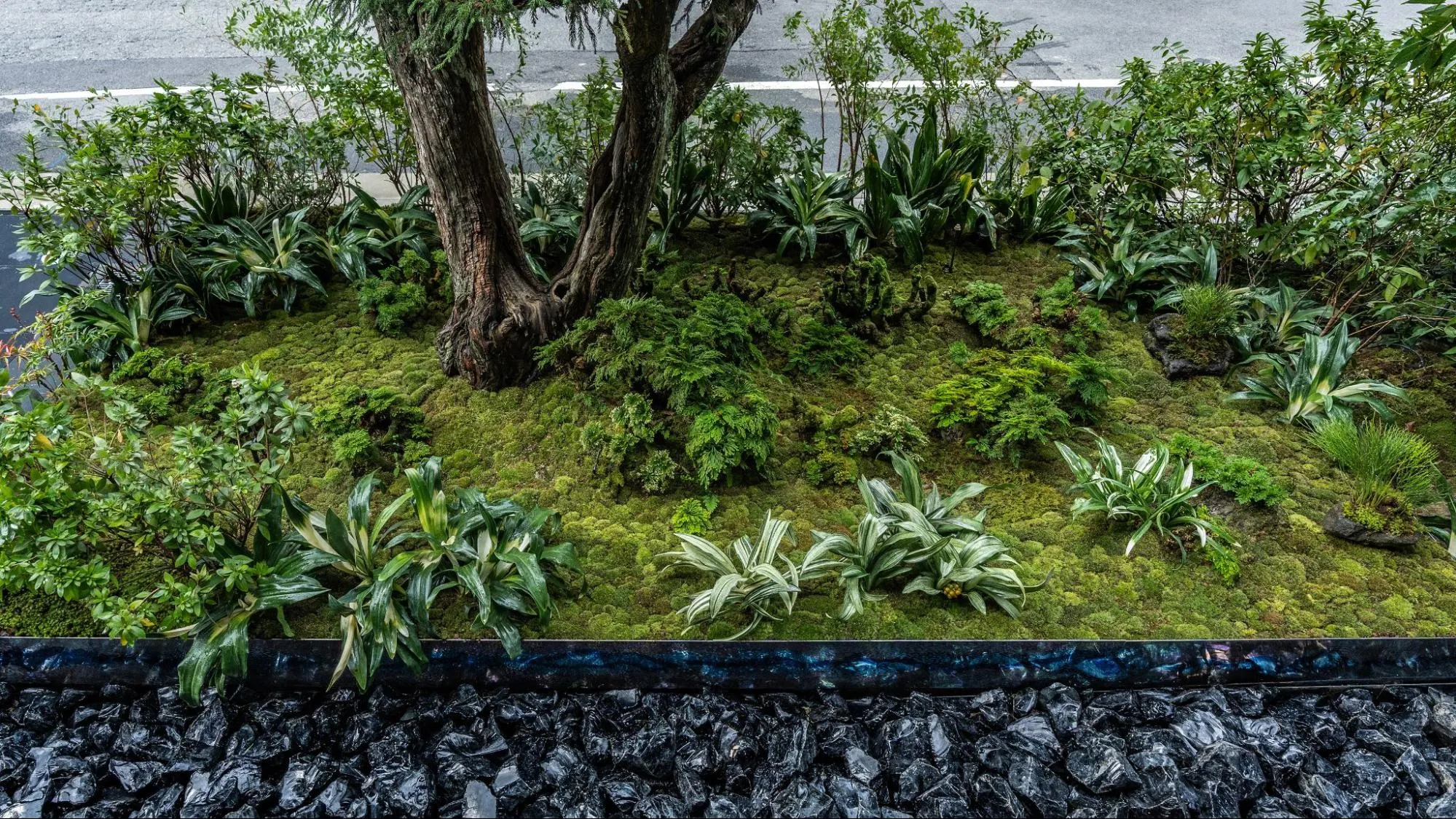
In the pocket garden at the entrance are scattered examples of 200-year-old Kitayama Daisugi, cedar trees which have grown in Kyoto since the Edo period, alongside classical horticultural plants said to have lived since the same era, such as Rohdea japonica, Spikemoss, and Whisk fern.
Reversal of Values: Where Does Eternity Dwell?
Before the modern era, from the mid to late Edo period (late 18th to early 19th century), as the paintings of Maruyama Okyo, Itō Jakuchū, and others matured in Kyoto, classical horticulture simultaneously achieved its own unique development.
Classical horticulture is a horticultural culture that achieved unique development in the Edo period, in which extremely rare mutations from original species were discovered, selected, preserved, and inherited. At the time, these circulated in the secondary market at high prices like modern art auctions, and some were even so valuable that a single plant was worth a whole mansion. According to research, during the Tenpo era (1830-1844), prices soared to 300 to 400 Ryo (Ryo is a gold currency unit during this period) for a single plant, and at the end of the 18th century, there remains a record of a high price of 2,300 Ryo for one pot.
In contrast, the paintings of Maruyama Okyo, Itō Jakuchū, and others were not viewed as investment assets that were repeatedly resold at that time. As an example of Maruyama Okyo's primary market (production cost), a set of three hanging scrolls is recorded as worth 3 Ryo. Toward the end of the Edo period, approaching the modern era, Okyo's artworks appeared in the secondary market in the Shoga Kakakuroku ‘Market Price Guide for Art’ (1861) and were valued at one piece of gold (about 25 Ryo in the market at the end of the Edo period), described as having the highest market value, but even so, it was incomparably lower than that of horticultural plants.
Entering the modern era, this sense of value reversed. In the present day, horticultural plants do not circulate as massive assets, but paintings circulate in the secondary market for enormous amounts of money. This difference may have changed depending on what we perceive as eternal.
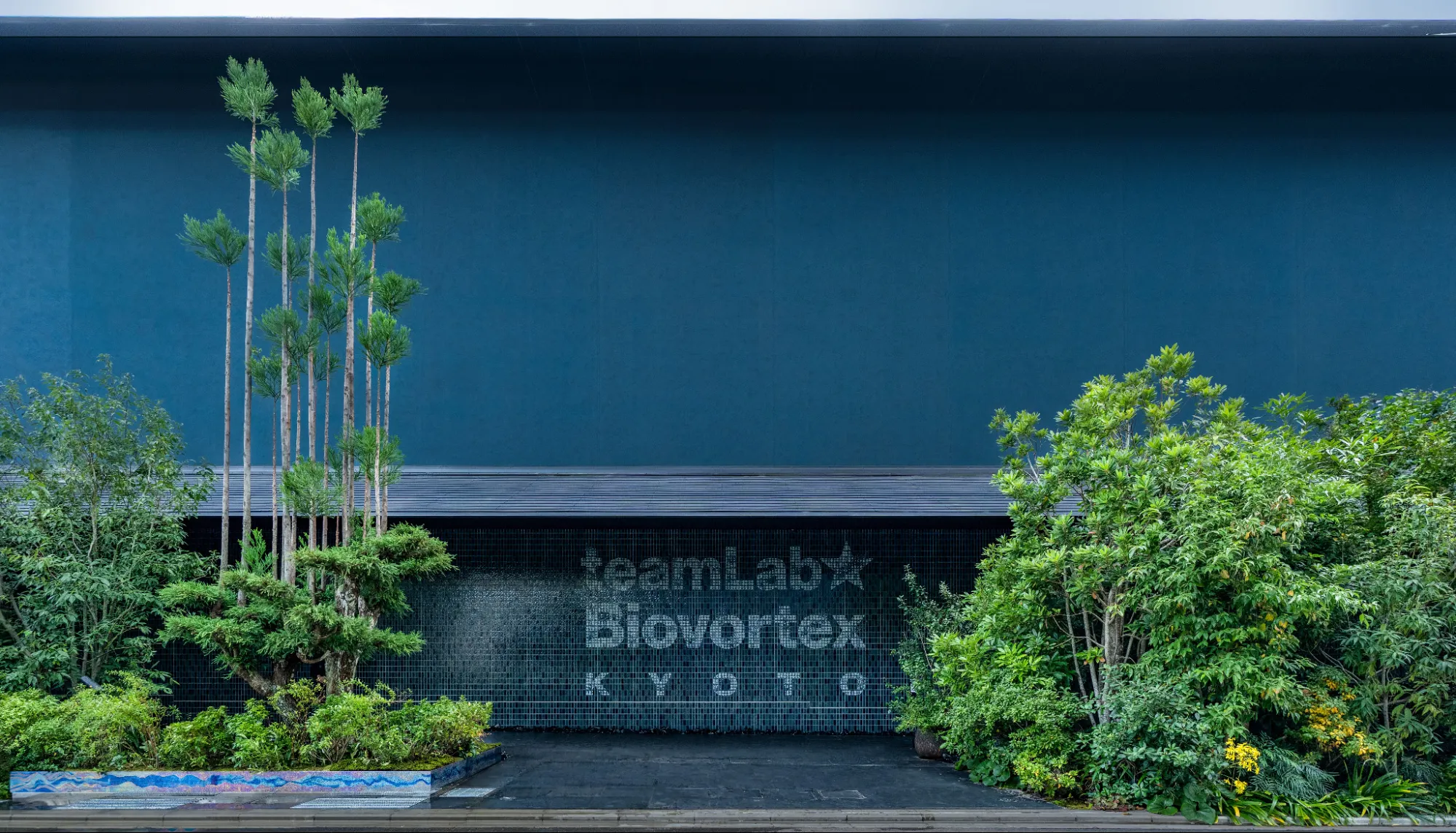
teamLab Biovortex Kyoto is teamLab's largest museum in Japan, based on the concept of Universe of Existence, Universe of Perception.
Located within walking distance of Kyoto Station and spanning over 10,000 square meters, the museum features more than 50 artworks, including artworks based on the concept of Environmental Phenomena as well as Athletics Forest, a complex, multi-dimensional creative athletic space, and Future Park, a collaborative space for co-creation, which are both part of teamLab’s educational projects.
teamLab Biovortex Kyoto marked its one-year anniversary on October 7, 2026, reaching over 1.3 million visitors from 167 countries and regions.