人と世界、時をつなぐーライフに溶け込むアートの実践 | teamLab

メイン画像
人と世界、時をつなぐーライフに溶け込むアートの実践
2026.1.24(Sat) - 3.22(Sun)Himeji City Museum of Art, Hyogo
メイン画像
人と世界、時をつなぐーライフに溶け込むアートの実践
2026.1.24(Sat) - 3.22(Sun)Himeji City Museum of Art, Hyogo

Obras

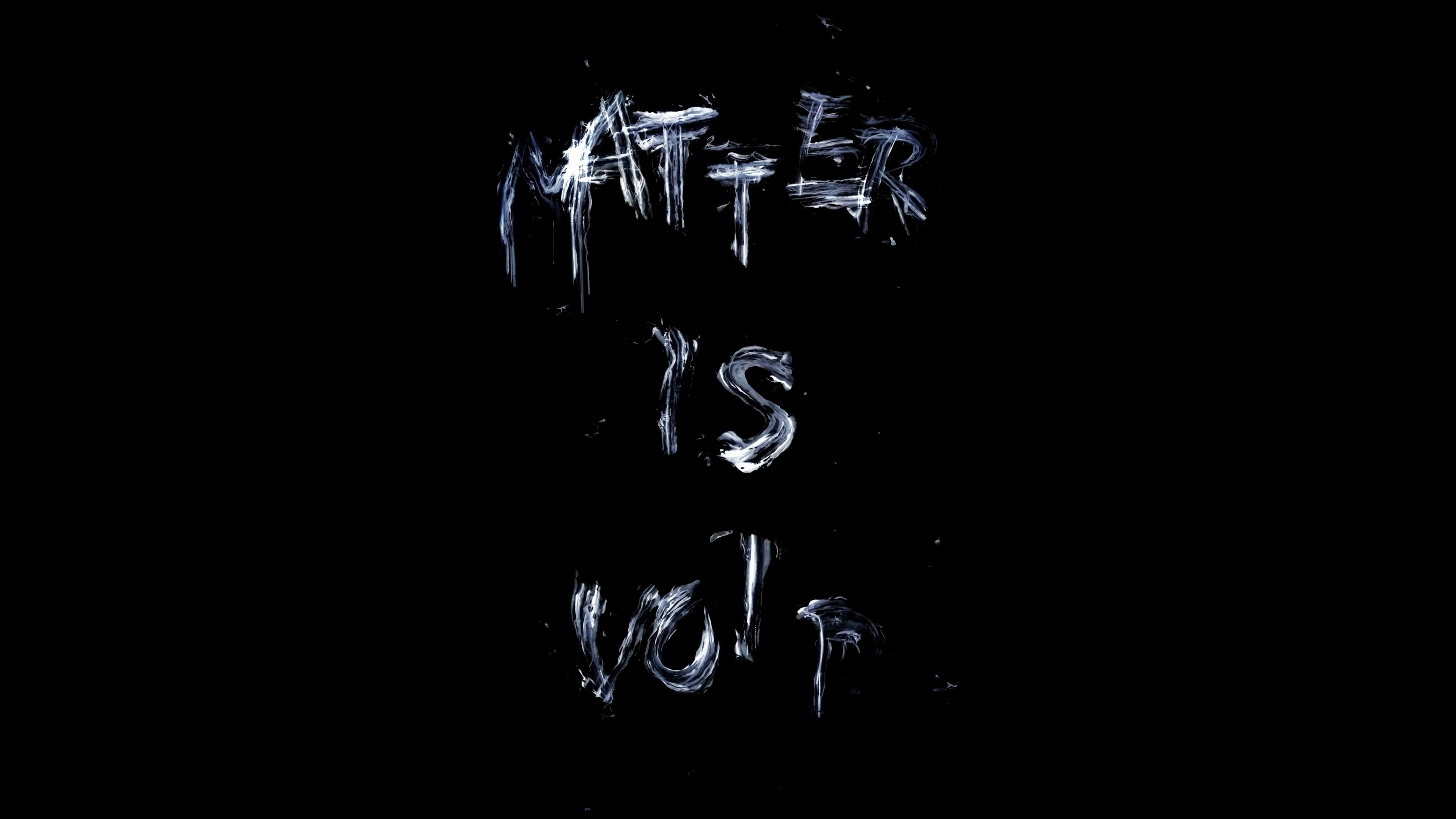
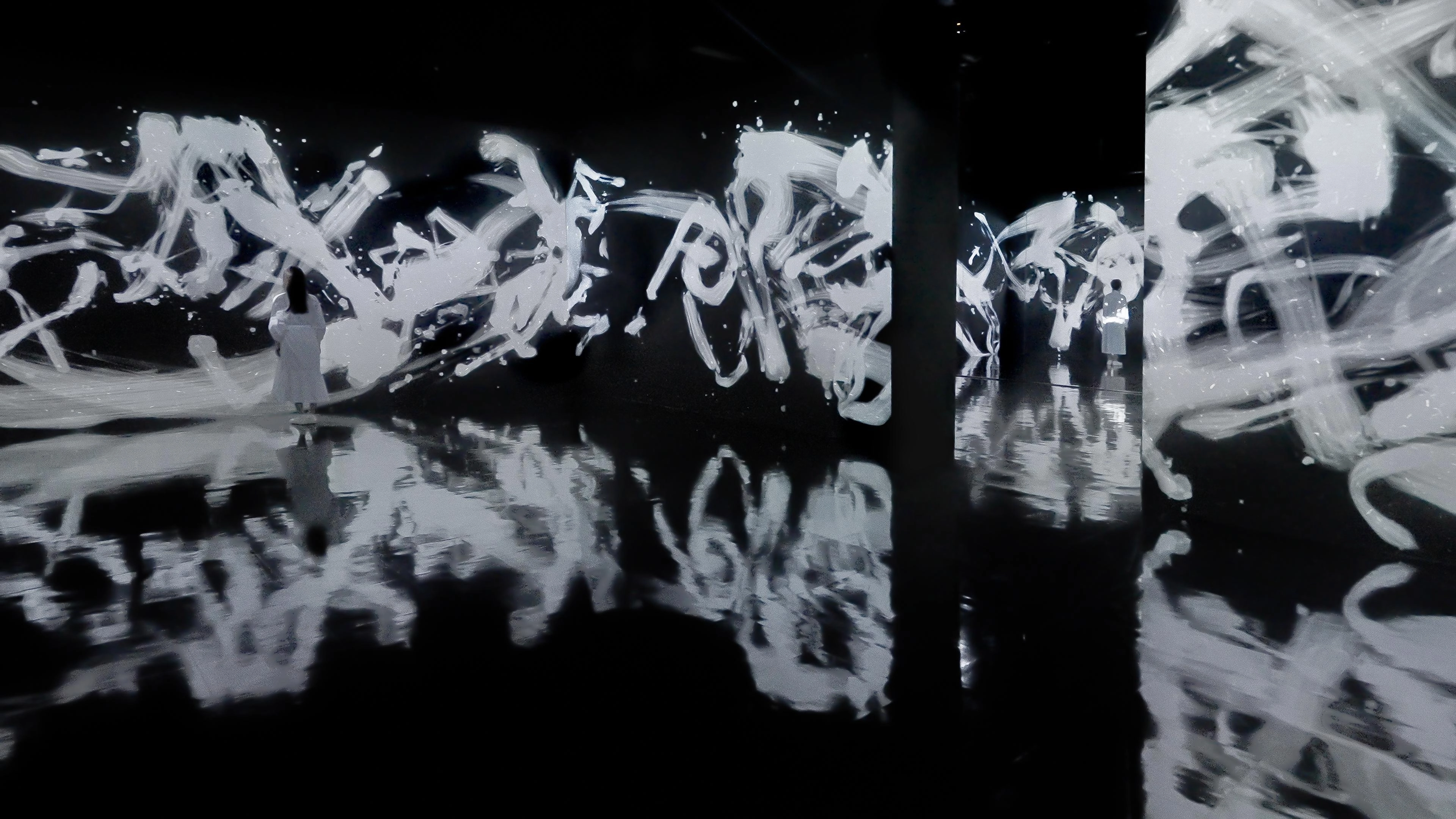
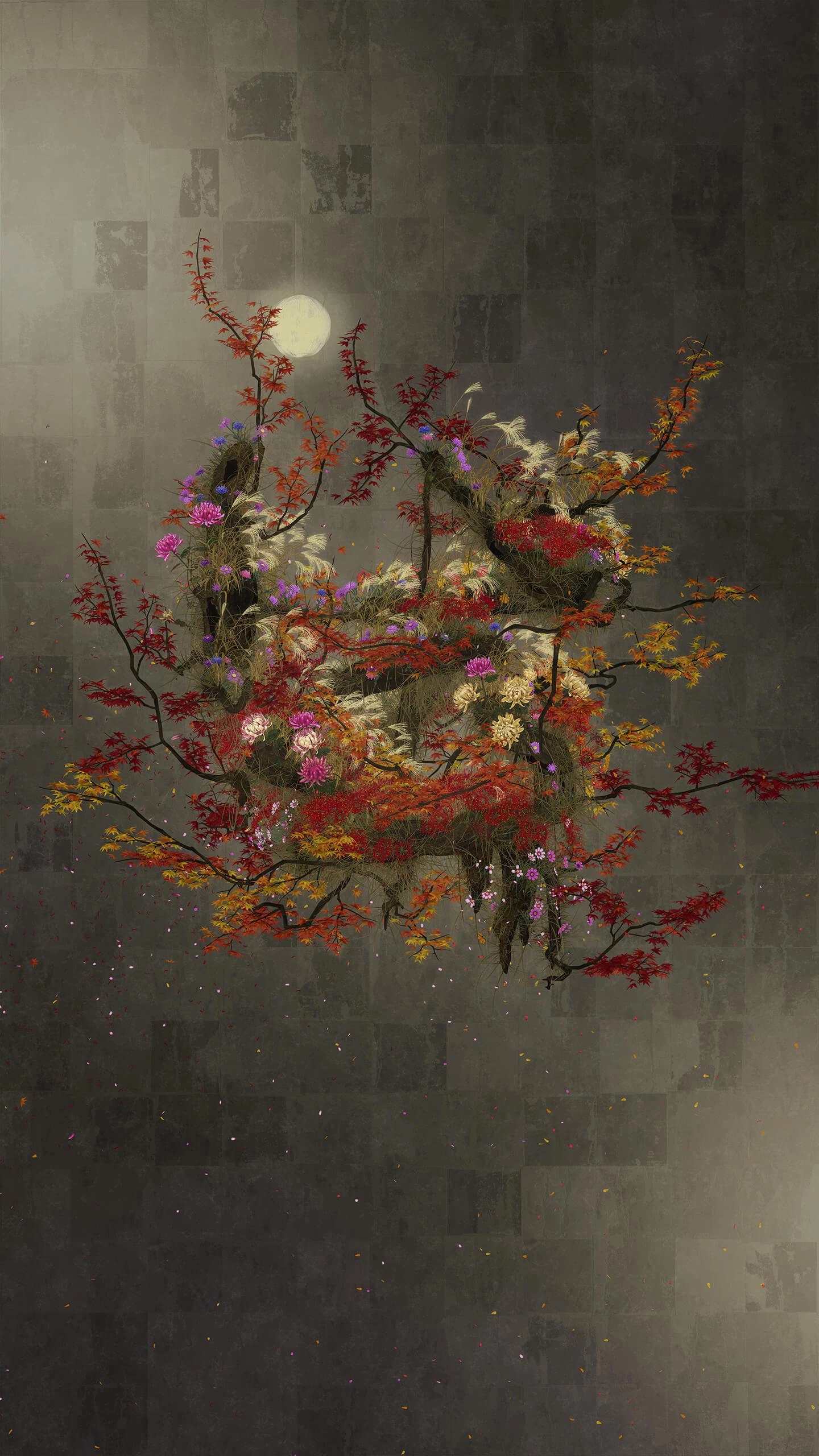
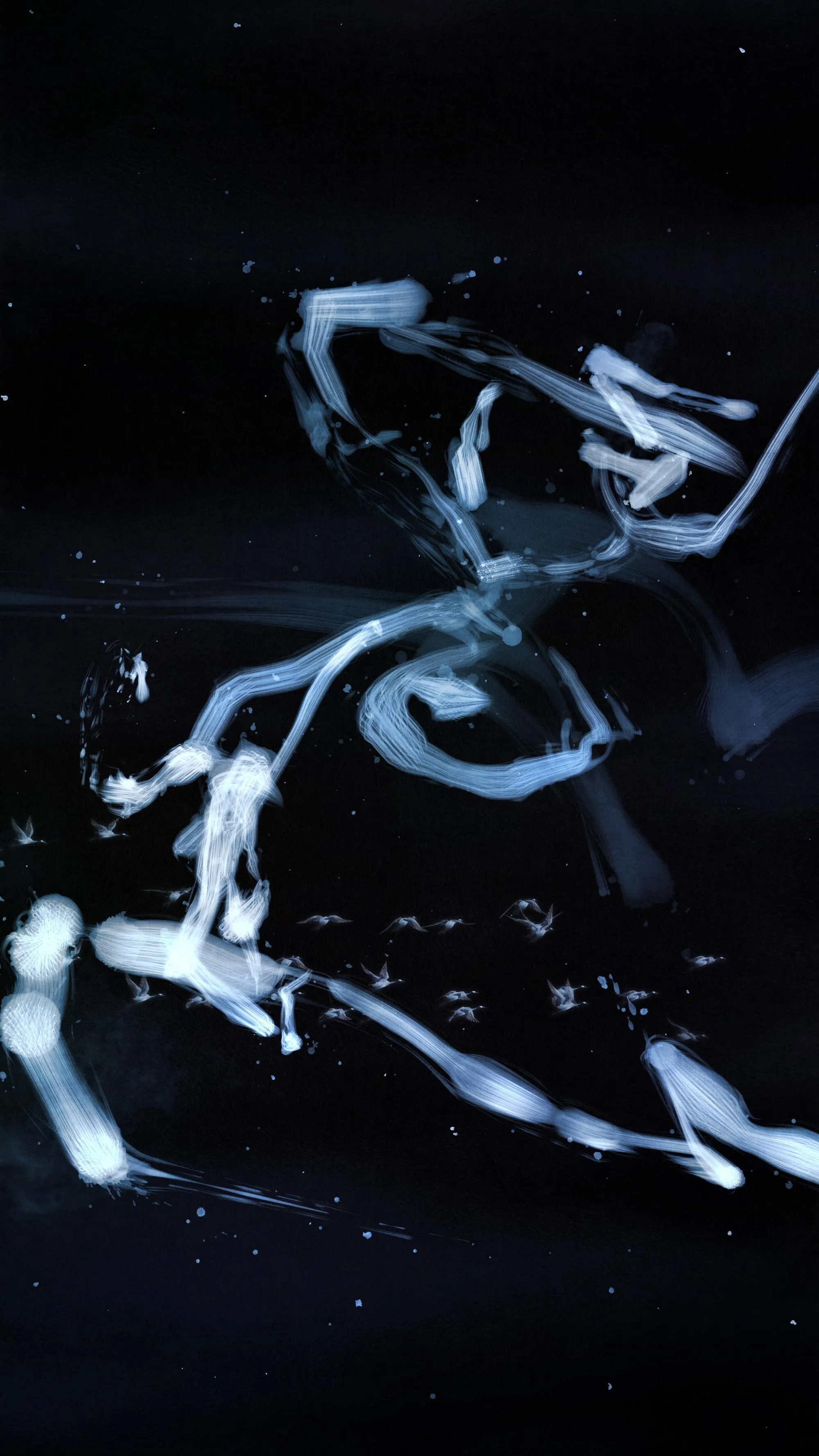
Life Survives by the Power of Life II

Although self and nature seem distinct, they are actually a single entity, inseparable from each other. The opposite of division is not unification, and we might  realize that existences that appear to be distinct are actually part of a single whole.The blessings and threats of nature, as well as the blessings and threats of civilization, are continuous. Neither is there a source of absolute malice, nor can it all be dismissed idealistically. Nonetheless, we seek to affirm life in all aspects. Life is beautiful.
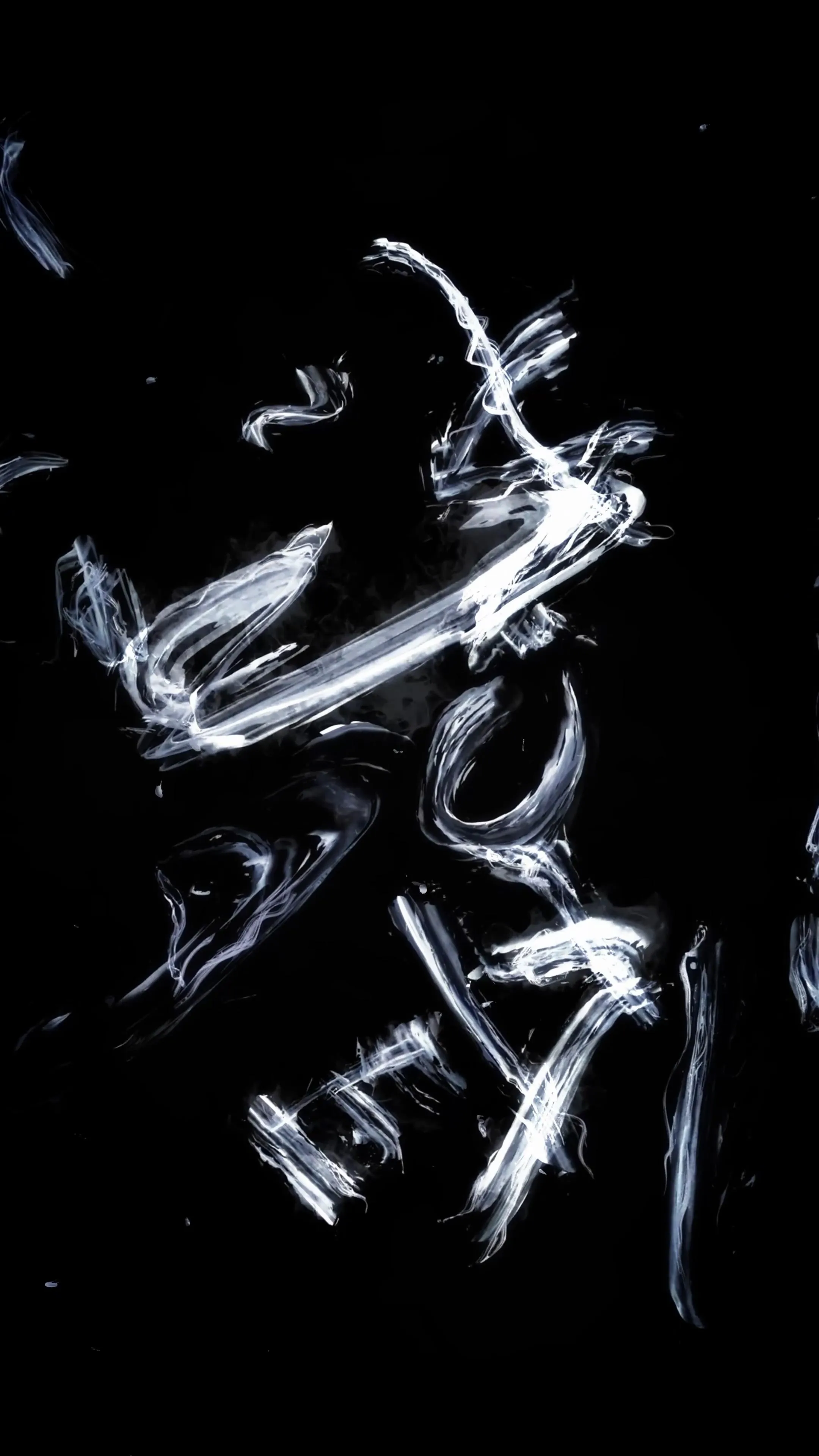
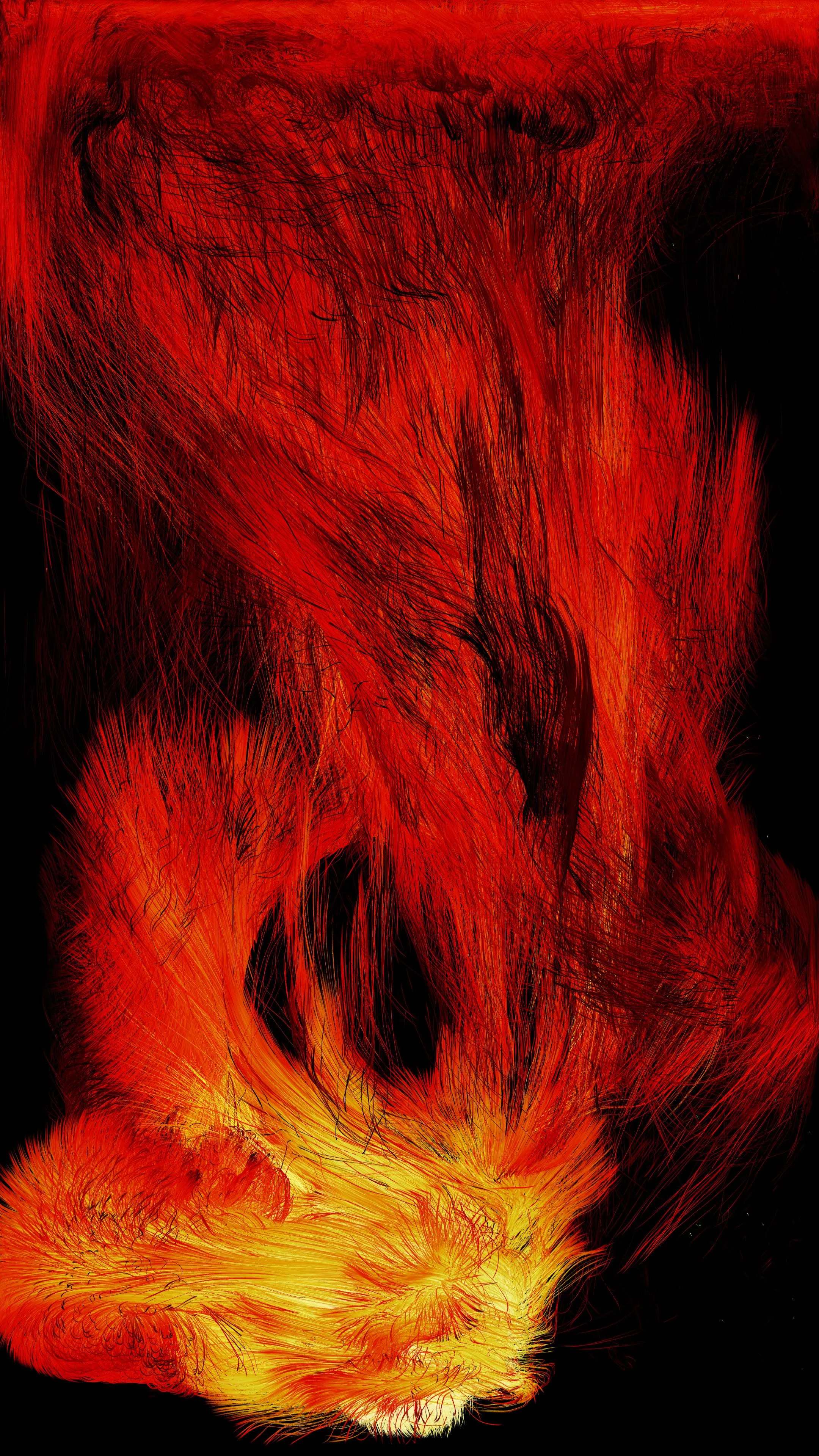
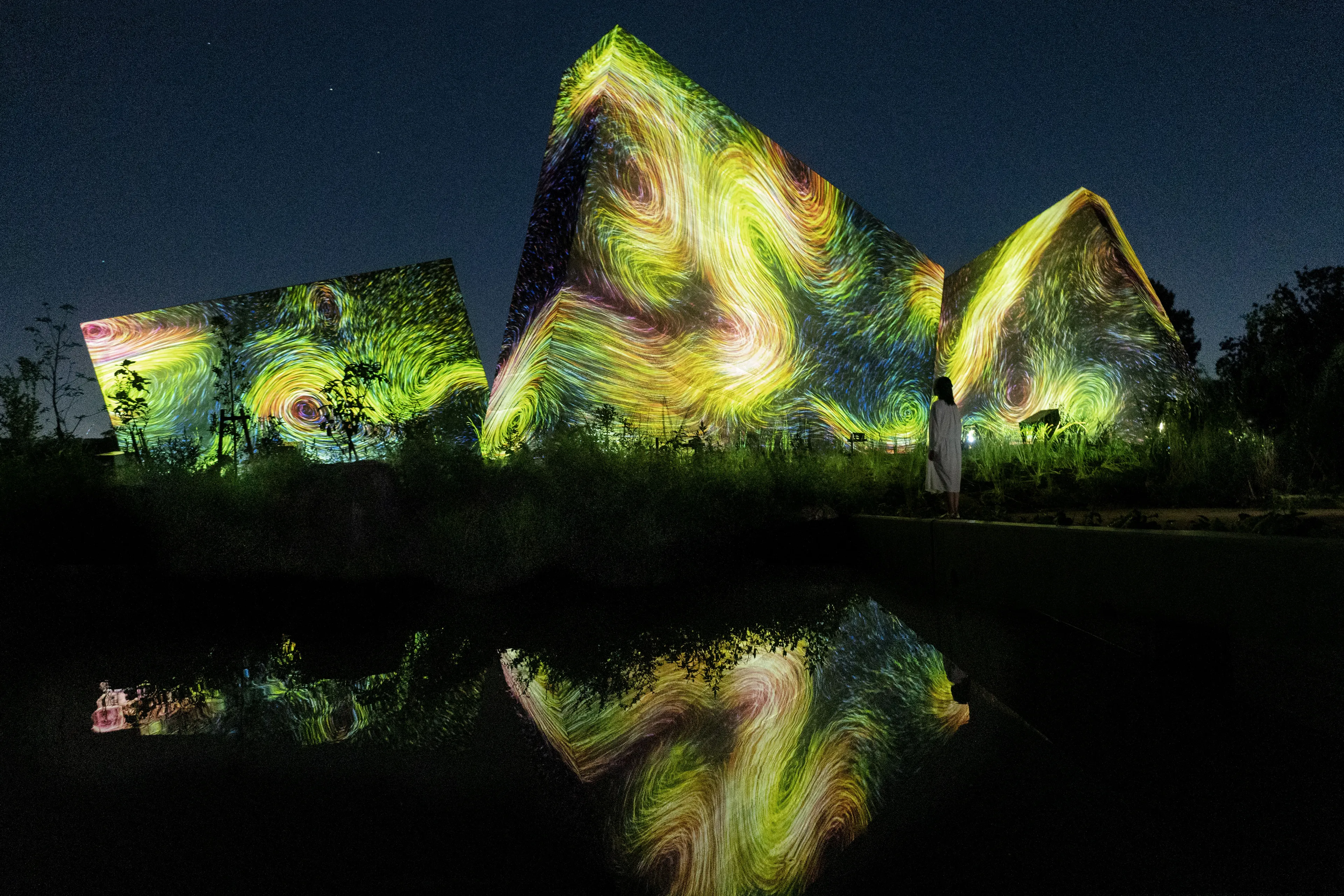
In this artwork, 生 (sei), the character that signifies life, is written three-dimensionally using Spatial Calligraphy. Spatial Calligraphy is a form of calligraphy drawn in space that teamLab has been exploring since it was founded. The artwork reconstructs calligraphy in three-dimensional space to express the depth, speed and power of the brush stroke, and that calligraphy is then flattened using the logical structure teamLab calls Ultrasubjective Space. The calligraphy shifts between two and three dimensions.
The space of a traditional artwork, framed by a lens or perspective, appears to be on the other side of the artwork’s surface: the surface becomes a boundary, and the space where the viewer exists is separated from the artwork space. However, one of the characteristics of Ultrasubjective Space is that the artwork surface does not become a boundary. Thus the space in which the artwork exists, transcends the boundary of the artwork surface and is perceived as though it exists three-dimensionally in the same space where the viewer stands. The artwork space is continuous with the viewer’s physical space.

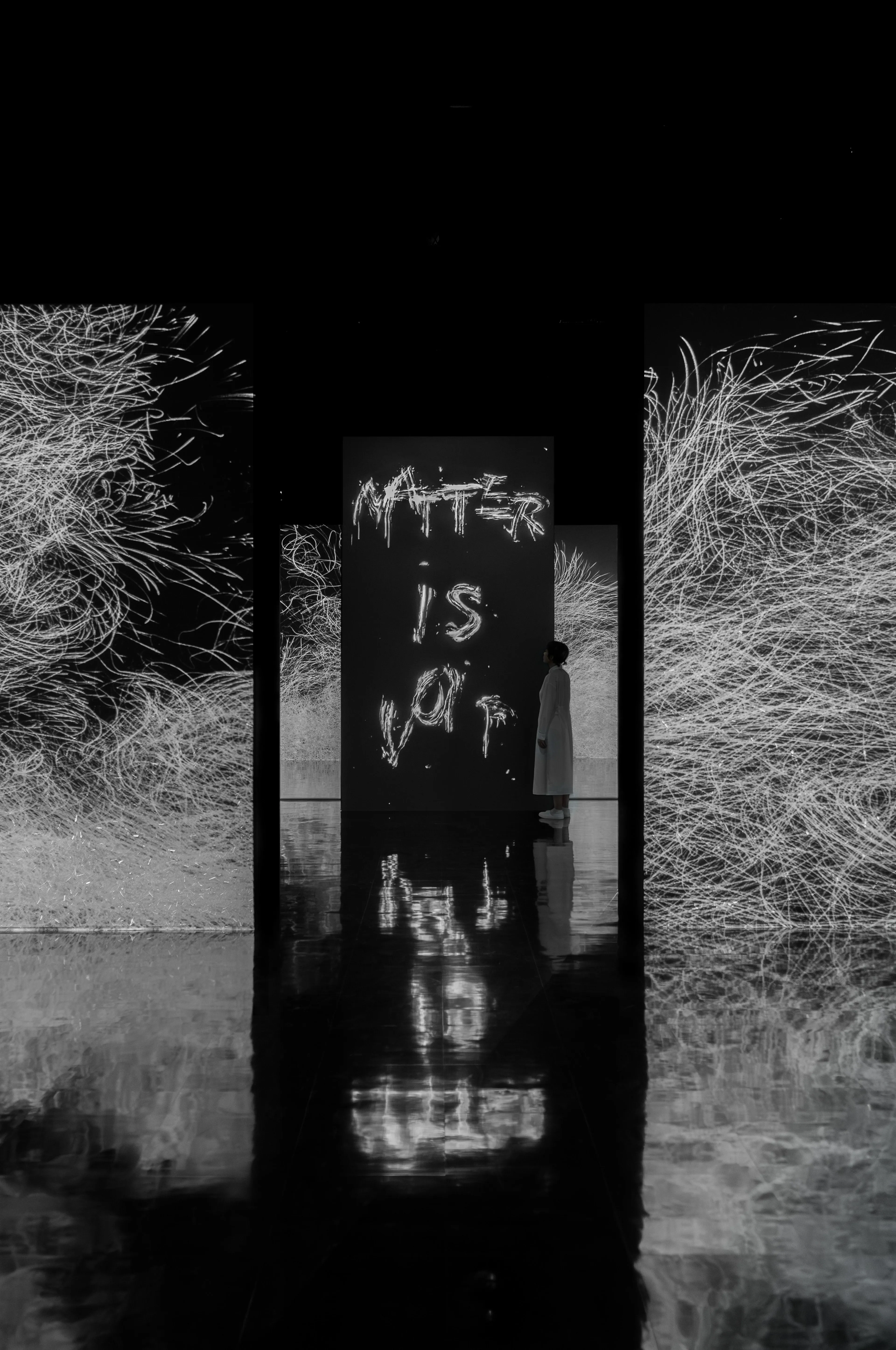
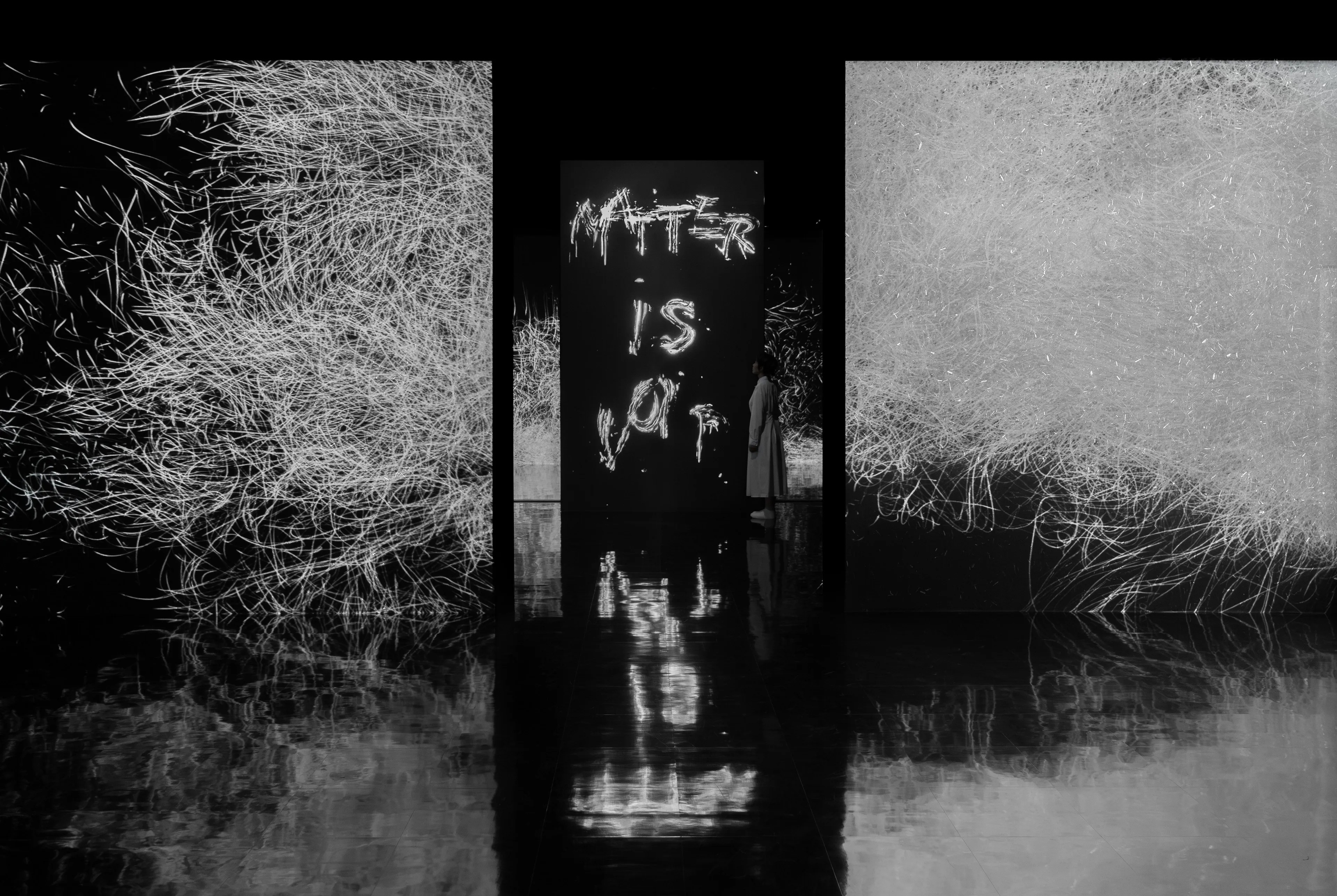
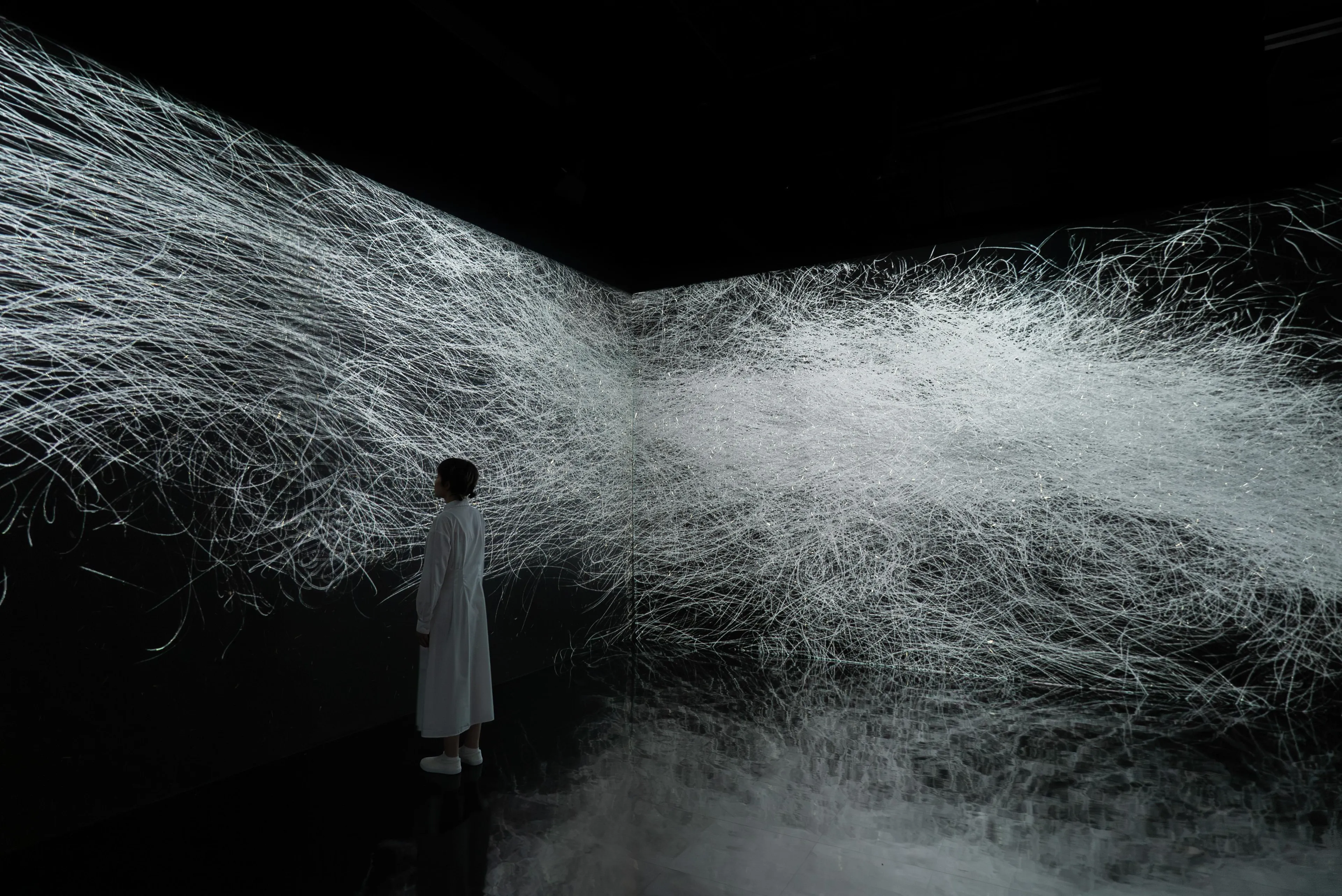
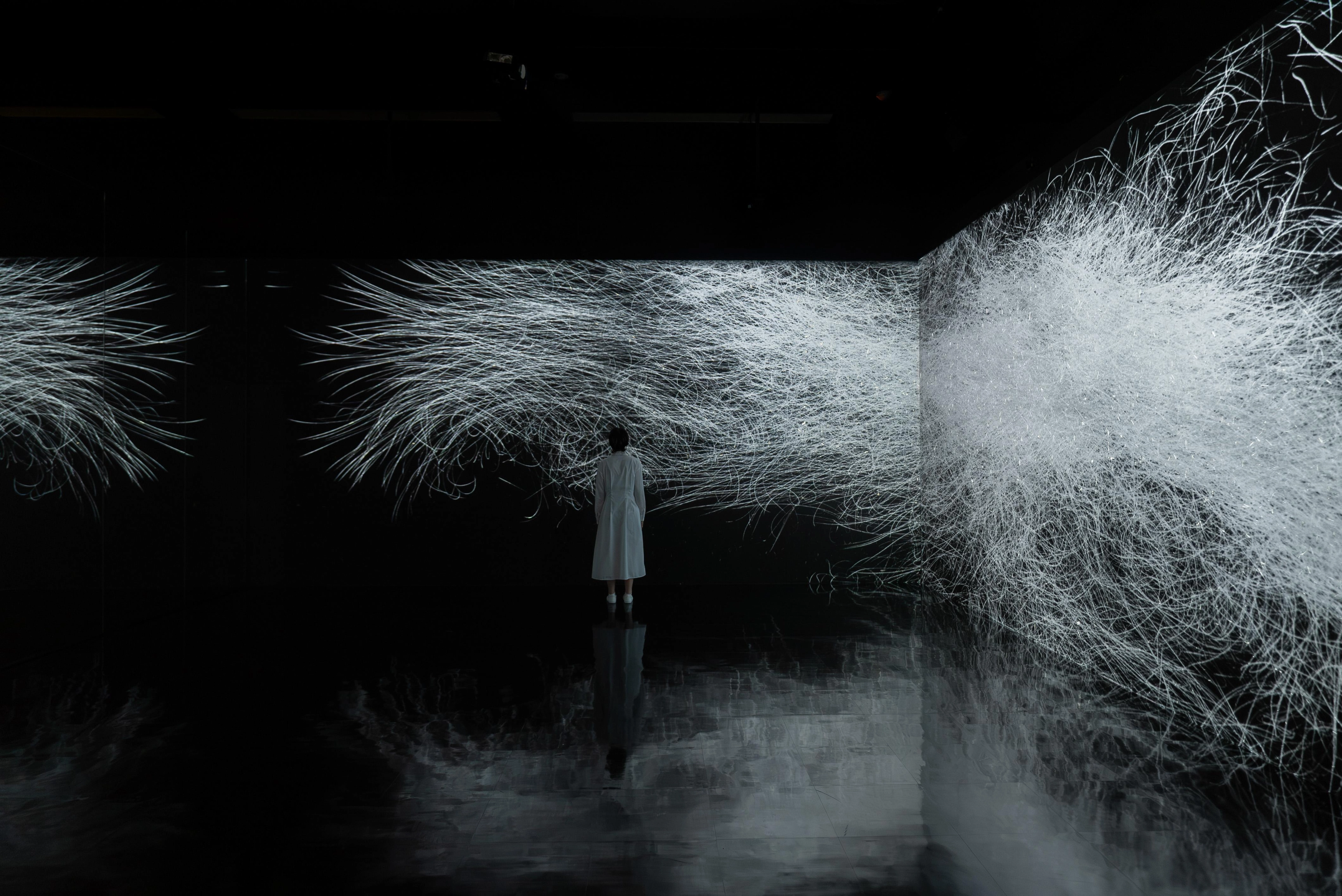
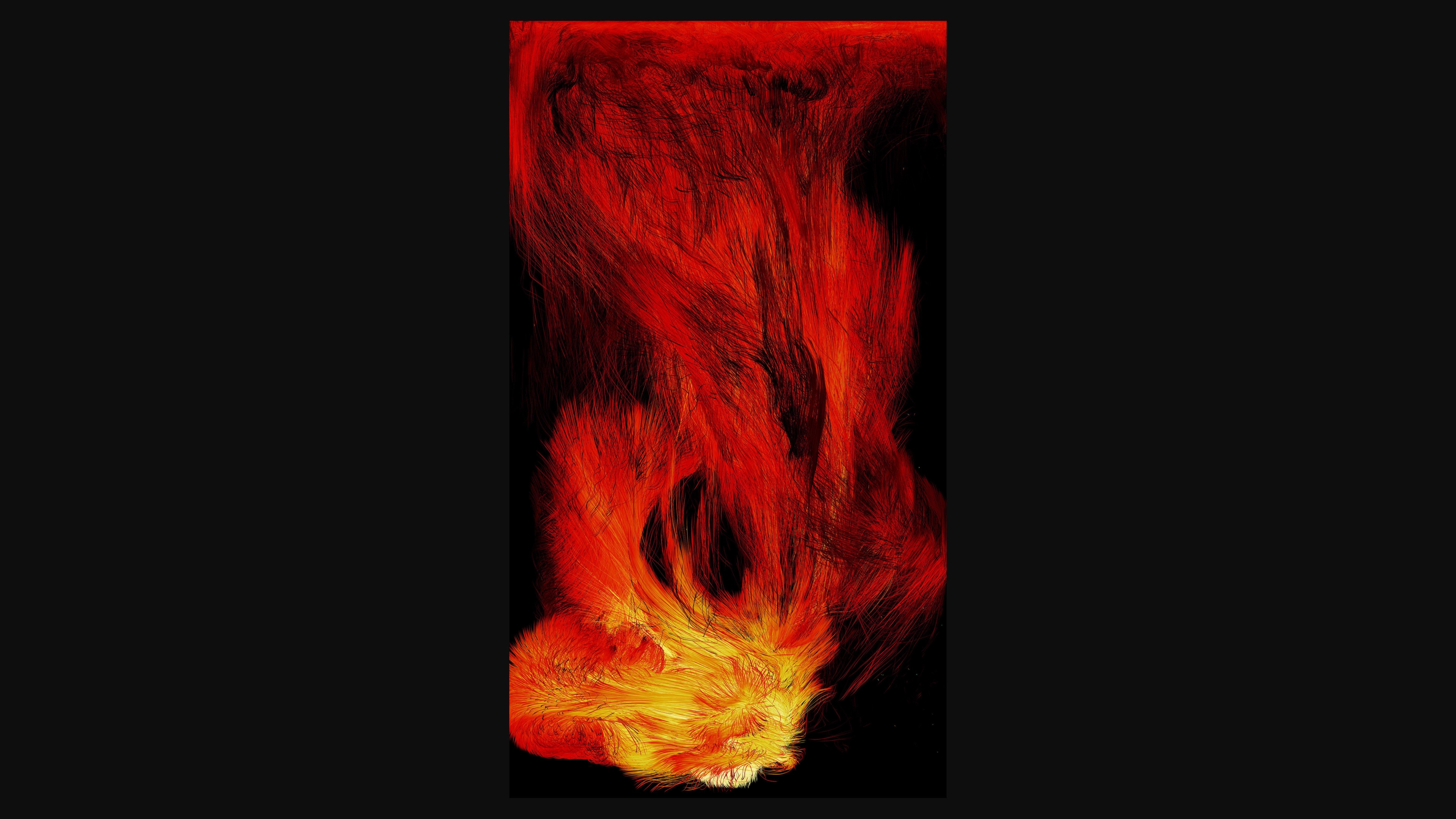
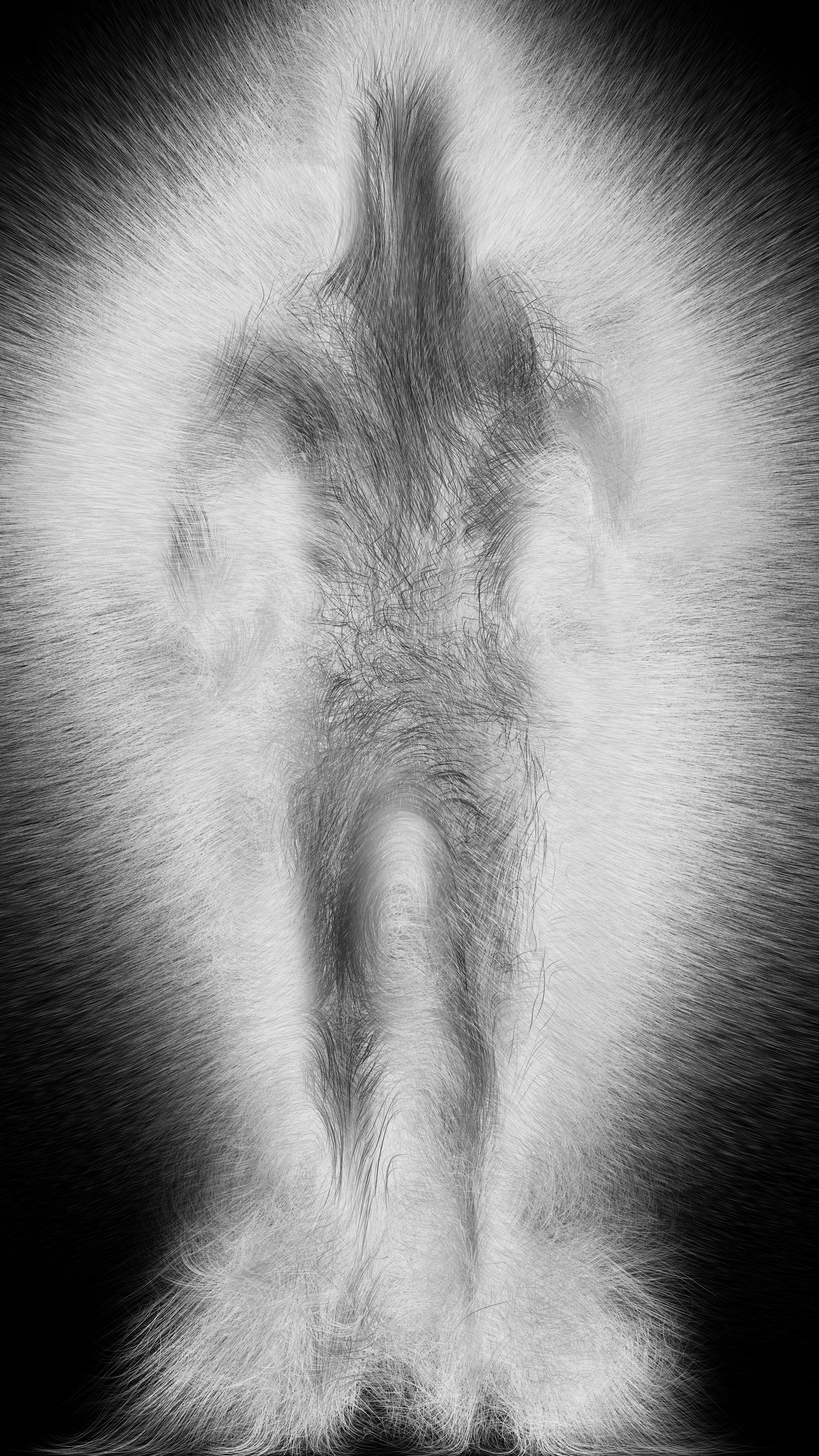
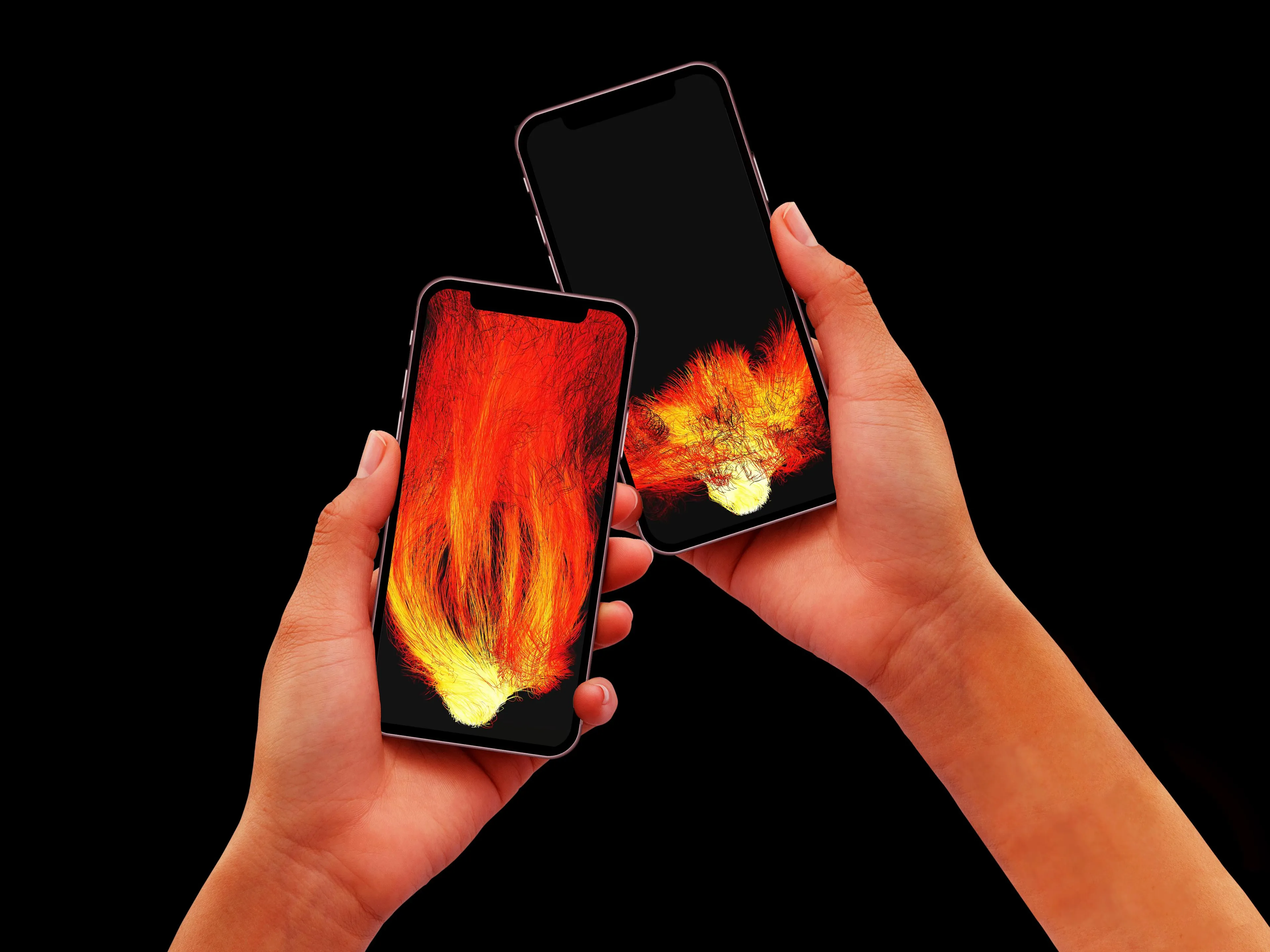
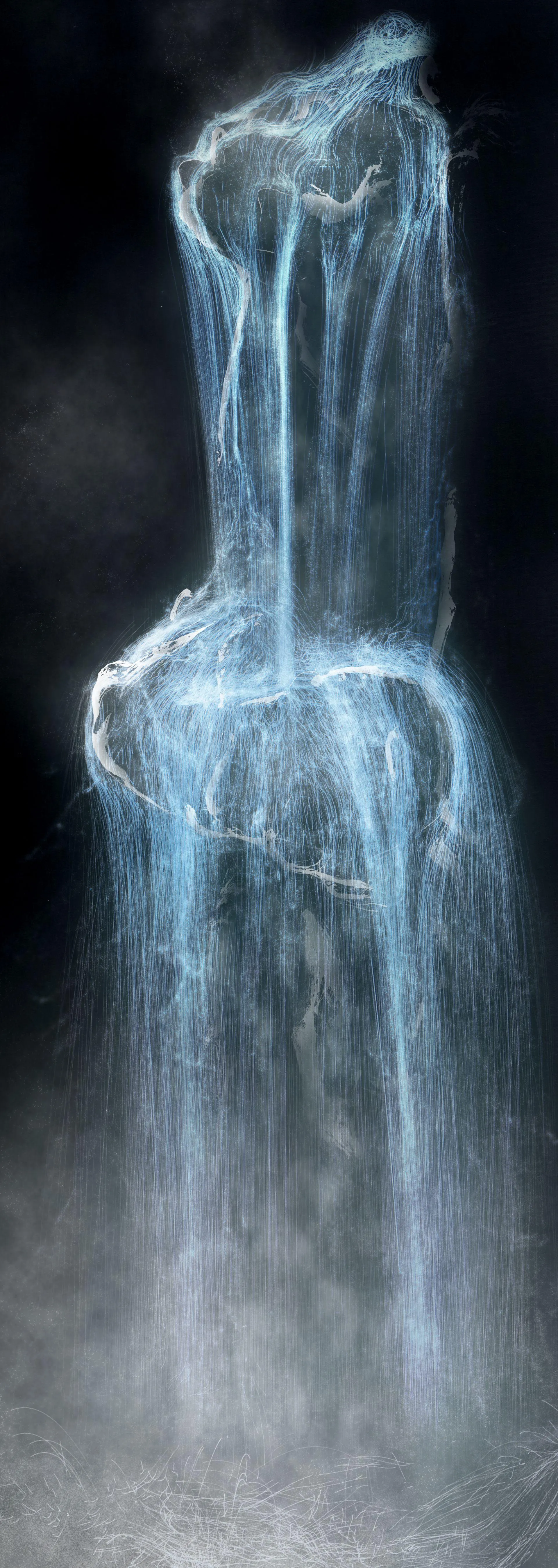
Dissipative Figures – Human, Light in Dark

The contours of life’s existence are not the surface boundary of the body, but something ambiguous that includes the environment that is continuous with it.
As long as people live, they dissipate energy and affect the environment, such as the flow of air.
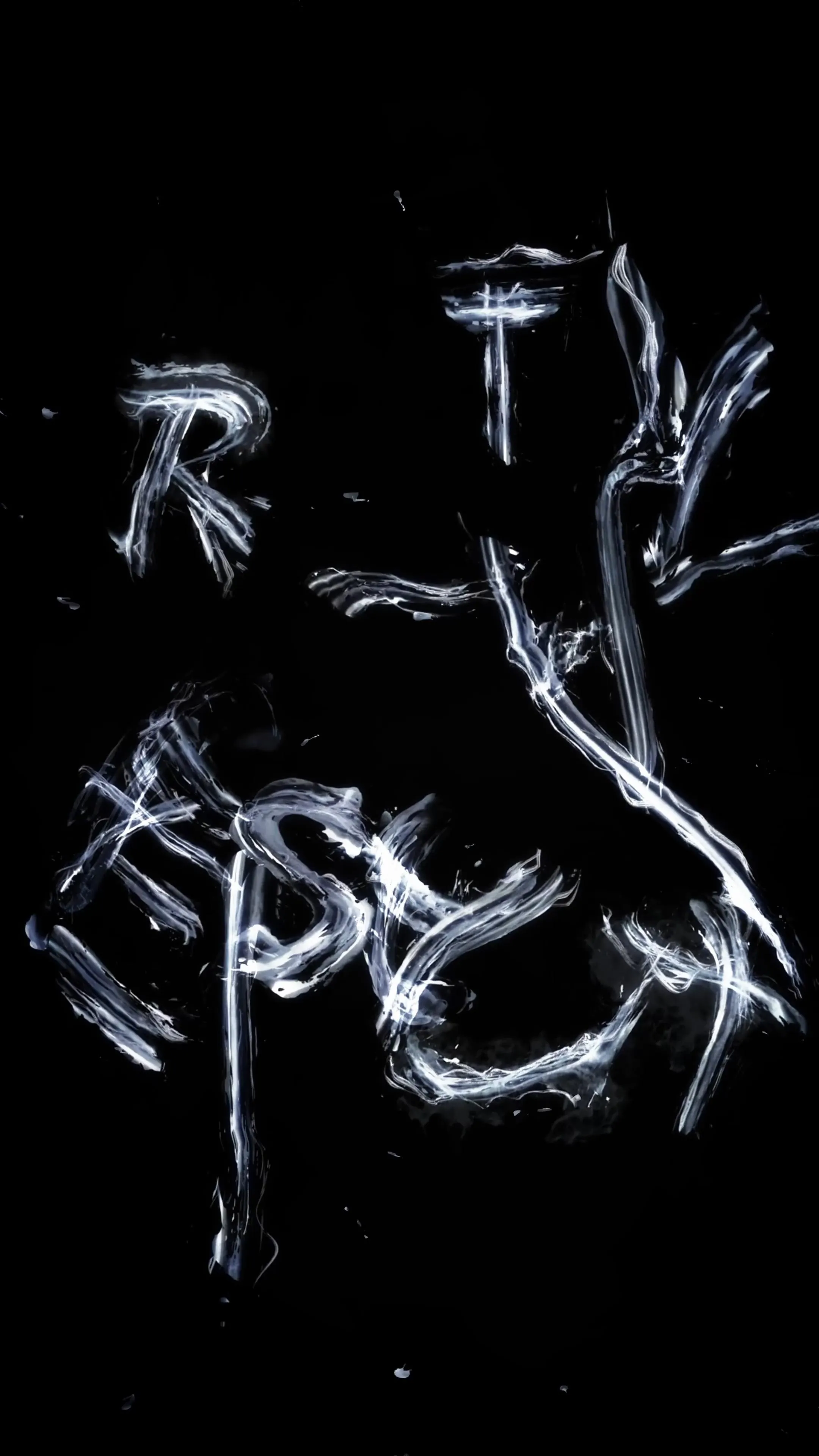
In this artwork, the existence of a person is depicted through the energy dissipated by people into the world for as long as they live.

Being consists of the mind, the body, and the environment that is continuous with them.

Objects like stones and man-made creations so far have maintained a stable structure on their own. But life is different. Whereas a stone can continue to exist in a closed box, sealed off from the outside world, life would cease to exist.

Life is like a vortex created in the ocean. A vortex forms and exists in a flow of matter, and the boundaries of its existence are ambiguous.  

Although a vortex is steady, it is constantly moving and swelling like a powerful life-form. The vortex cannot maintain a stable structure on its own; rather, it is created and sustained by water that continuously flows inwards and outwards.

The same is true of life. It consumes external matter and energy as food and discharges it, sustaining its ordered structure as the energy dissipates. In other words, life does not exist by itself. It is the environment that is continuous with it that maintains the structure of life.

Life is a miraculous phenomenon that emerges from a flow in an open world. Like an ocean vortex, it is an existence with ambiguous boundaries in an infinite continuity.

To be alive is to be inseparable from the world, constantly dissipating energy into it.
Sobre teamLab
teamLab (f. 2001) is an international art collective. Their collaborative practice seeks to navigate the confluence of art, science, technology, and the natural world. Through art, the interdisciplinary group of specialists, including artists, programmers, engineers, CG animators, mathematicians, and architects, aims to explore the relationship between the self and the world, and new forms of perception. In order to understand the world around them, people separate it into independent entities with perceived boundaries between them. teamLab seeks to transcend these boundaries in our perceptions of the world, of the relationship between the self and the world, and of the continuity of time. Everything exists in a long, fragile yet miraculous, borderless continuity. teamLab’s works are in the permanent collection of the National Gallery of Victoria, Melbourne; Art Gallery of New South Wales, Sydney; Art Gallery of South Australia, Adelaide; National Gallery of Australia, Canberra; Amos Rex, Helsinki; Museum of Contemporary Art, Los Angeles; Asian Art Museum, San Francisco; Borusan Contemporary Art Collection, Istanbul; and Asia Society Museum, New York, among others. teamlab.art Biographical Documents teamLab is represented by Pace Gallery, Martin Browne Contemporary and Ikkan Art.

Visite

Información del Lugar

人と世界、時をつなぐーライフに溶け込むアートの実践

Duración

2026.1.24(Sat) - 3.22(Sun)

Horario

10:00 - 17:00 (Last Entry 16:30)

Entrada

Free

Acceso

Lugar

Himeji City Museum of Art
68-25 Honmachi, Himeji City, Hyogo

Dirección en idioma local:

姫路市立美術館
兵庫県姫路市本町68-25