Story of the Time when Gods were Everywhere
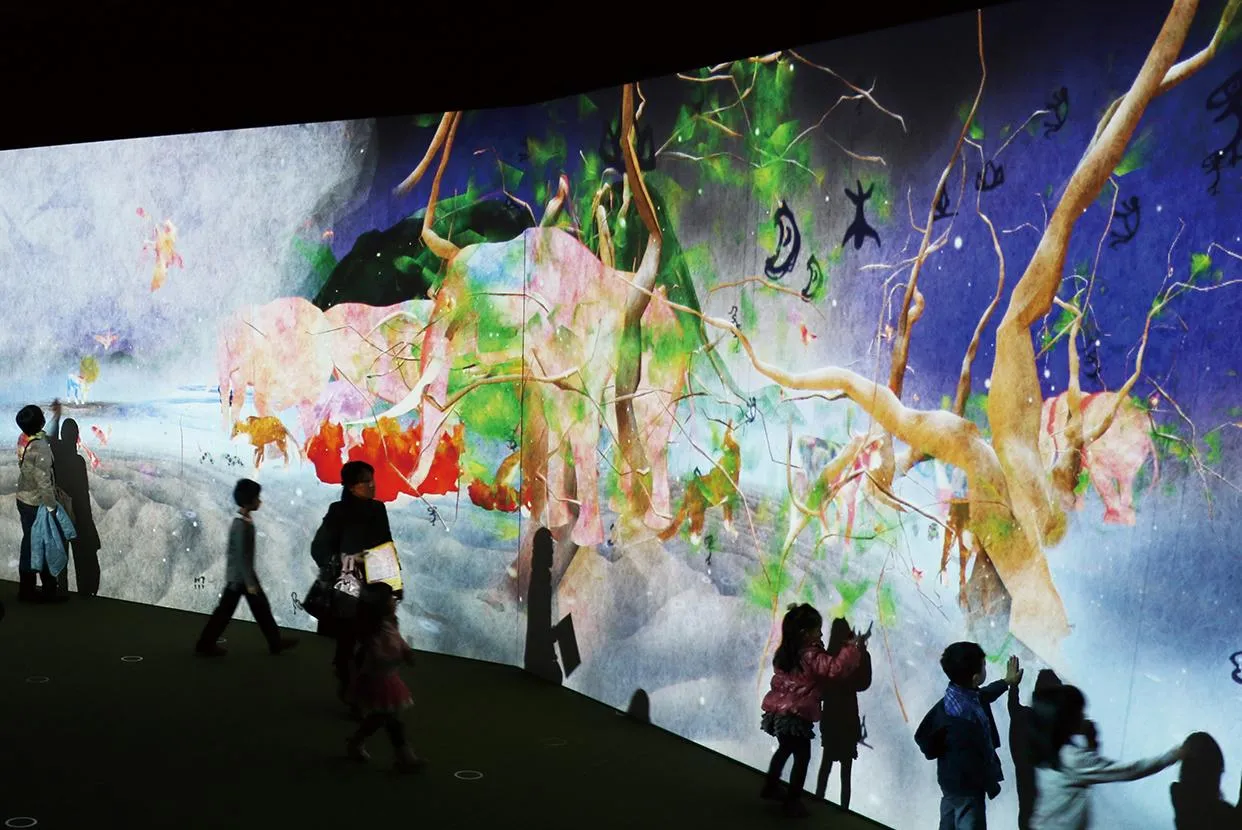
Sisyu + teamLab, 2013-, Interactive Digital Installation, Calligraphy: Sisyu, Sound: Hideaki Takahashi
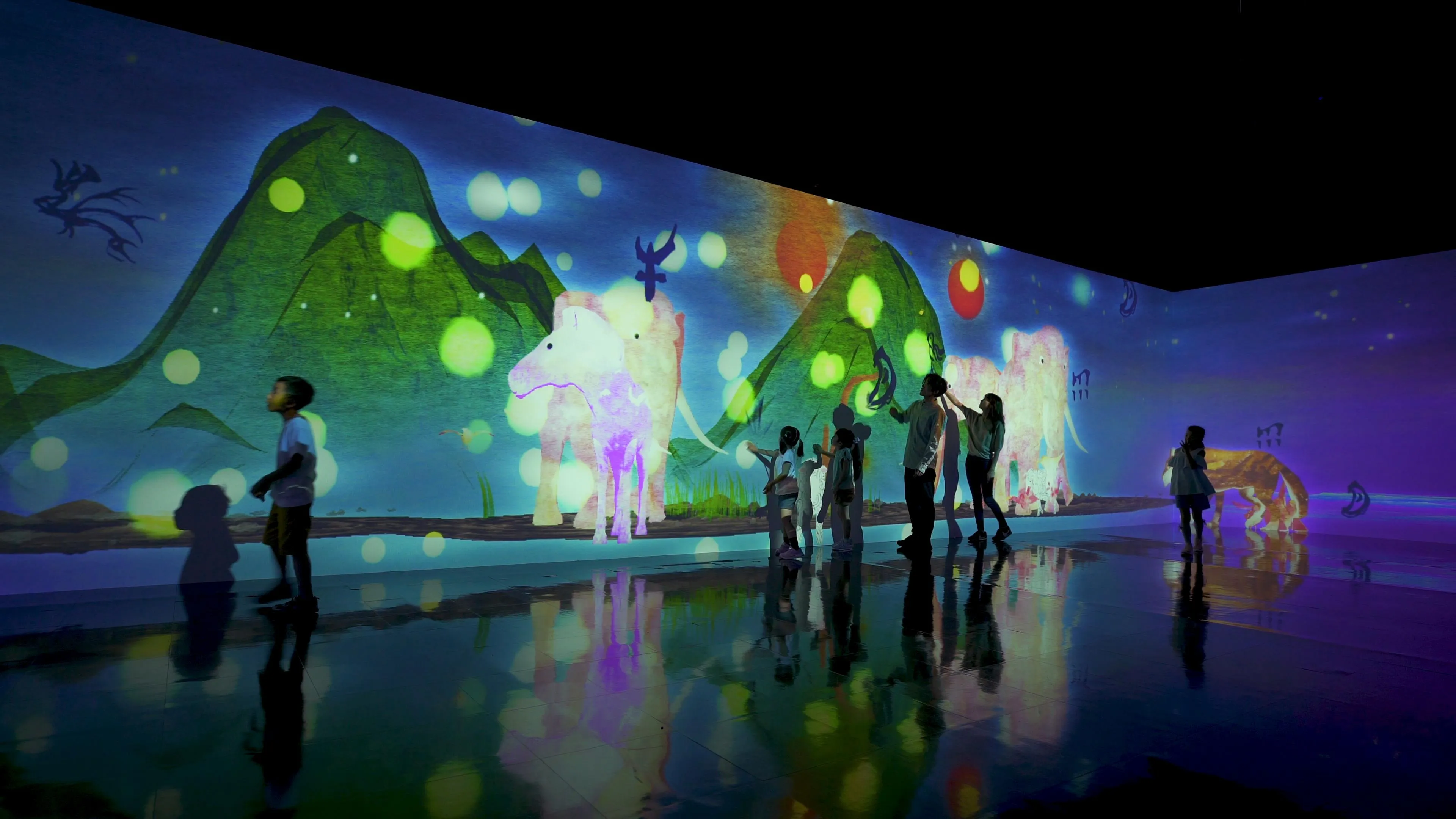
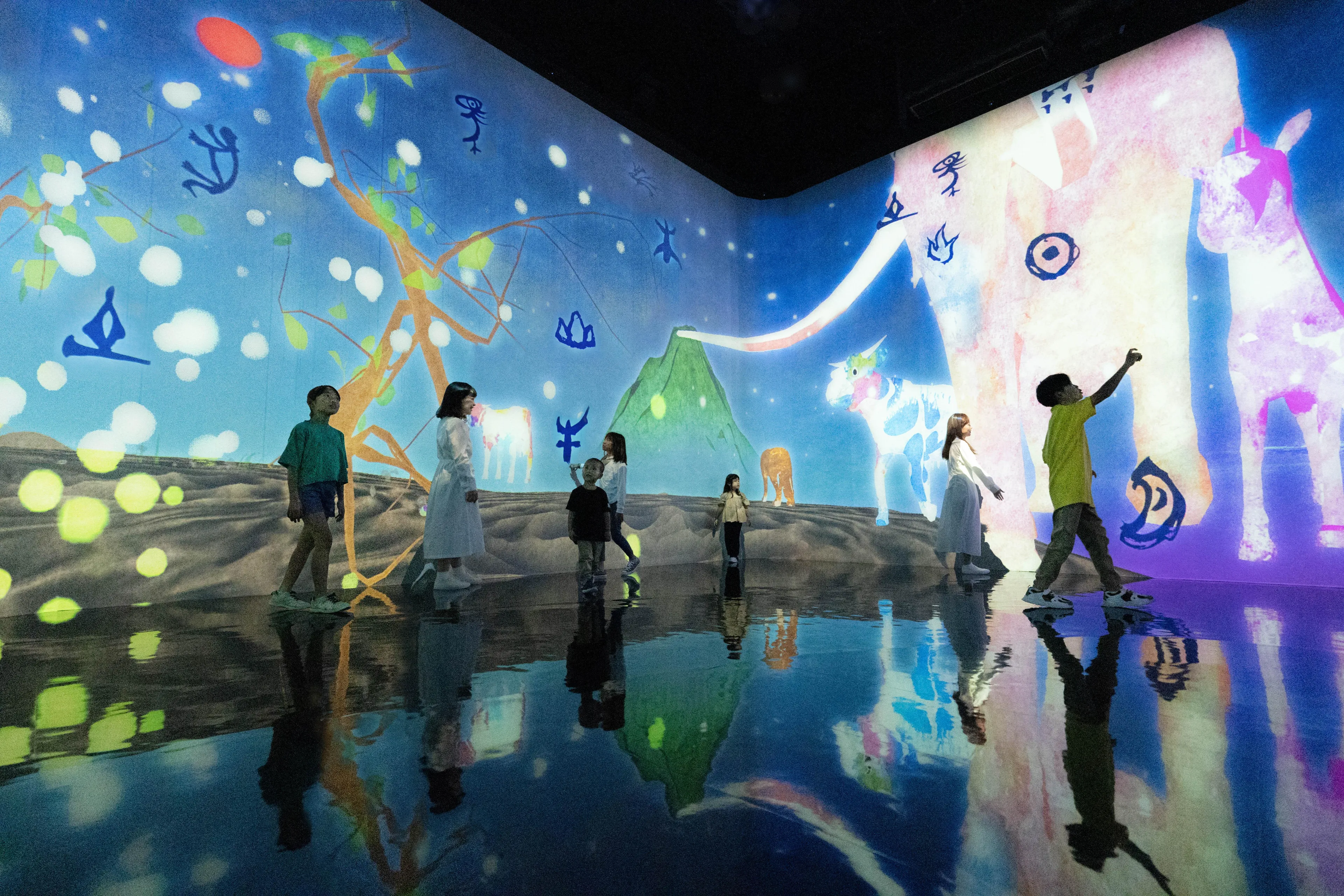
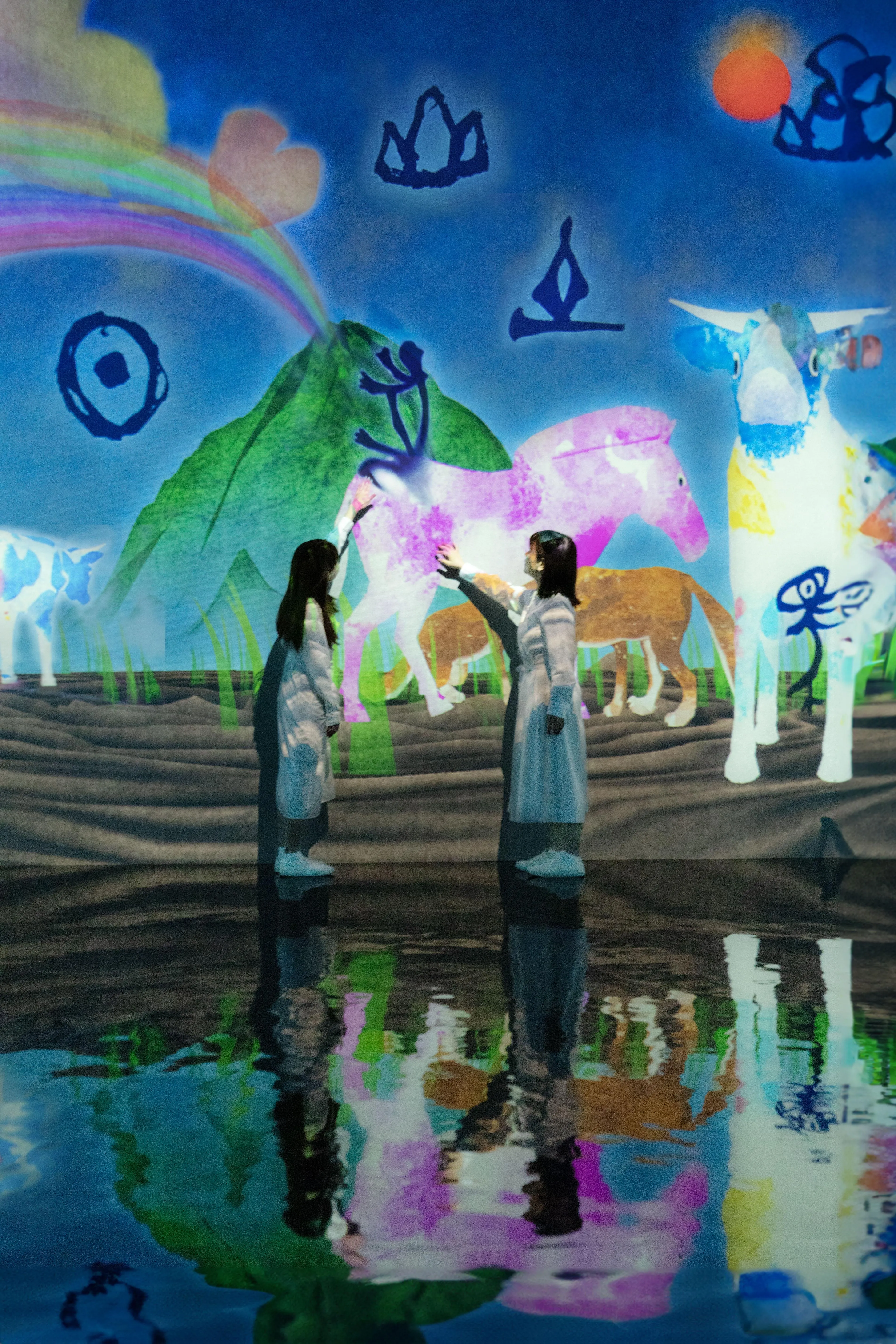
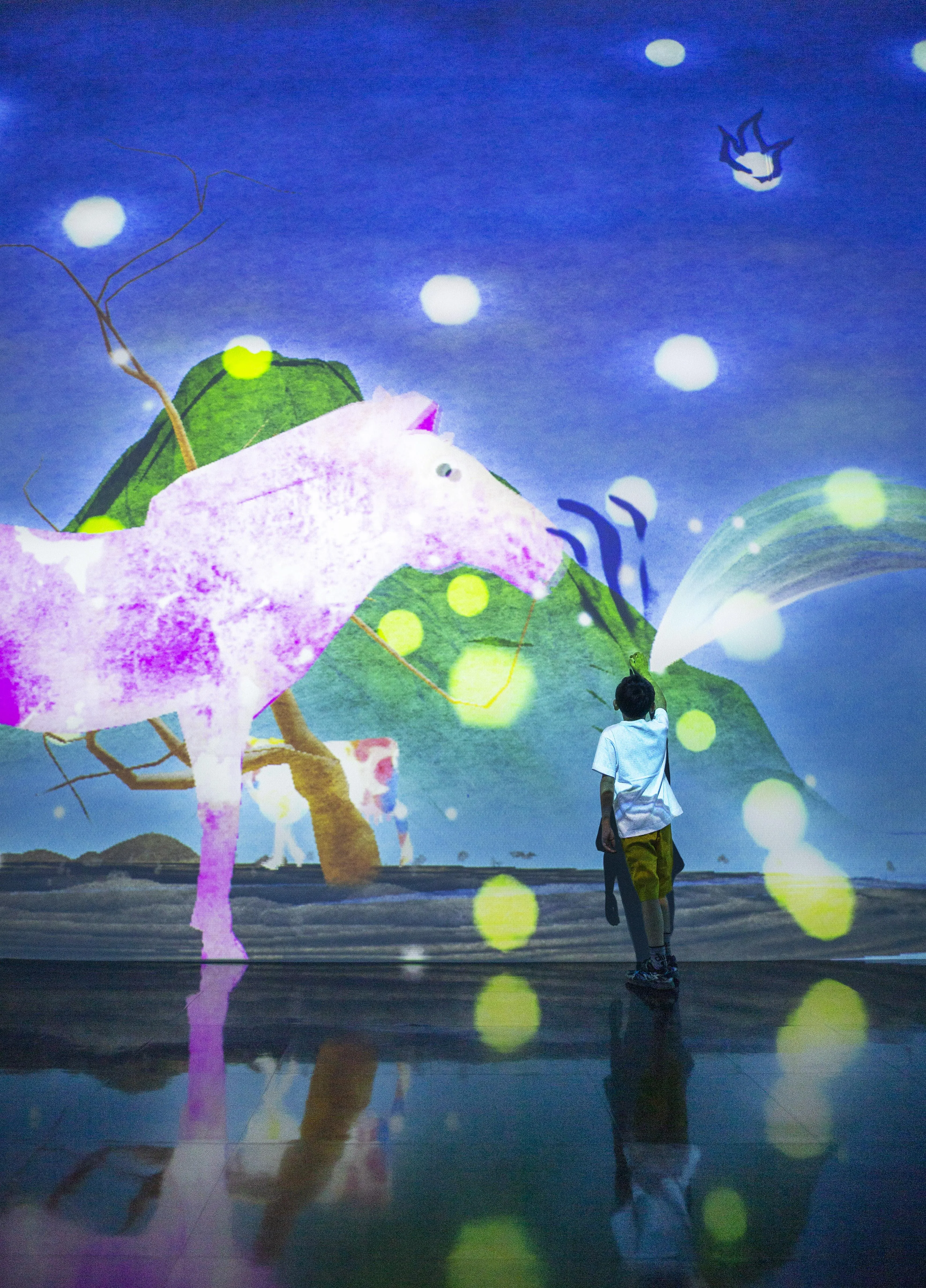
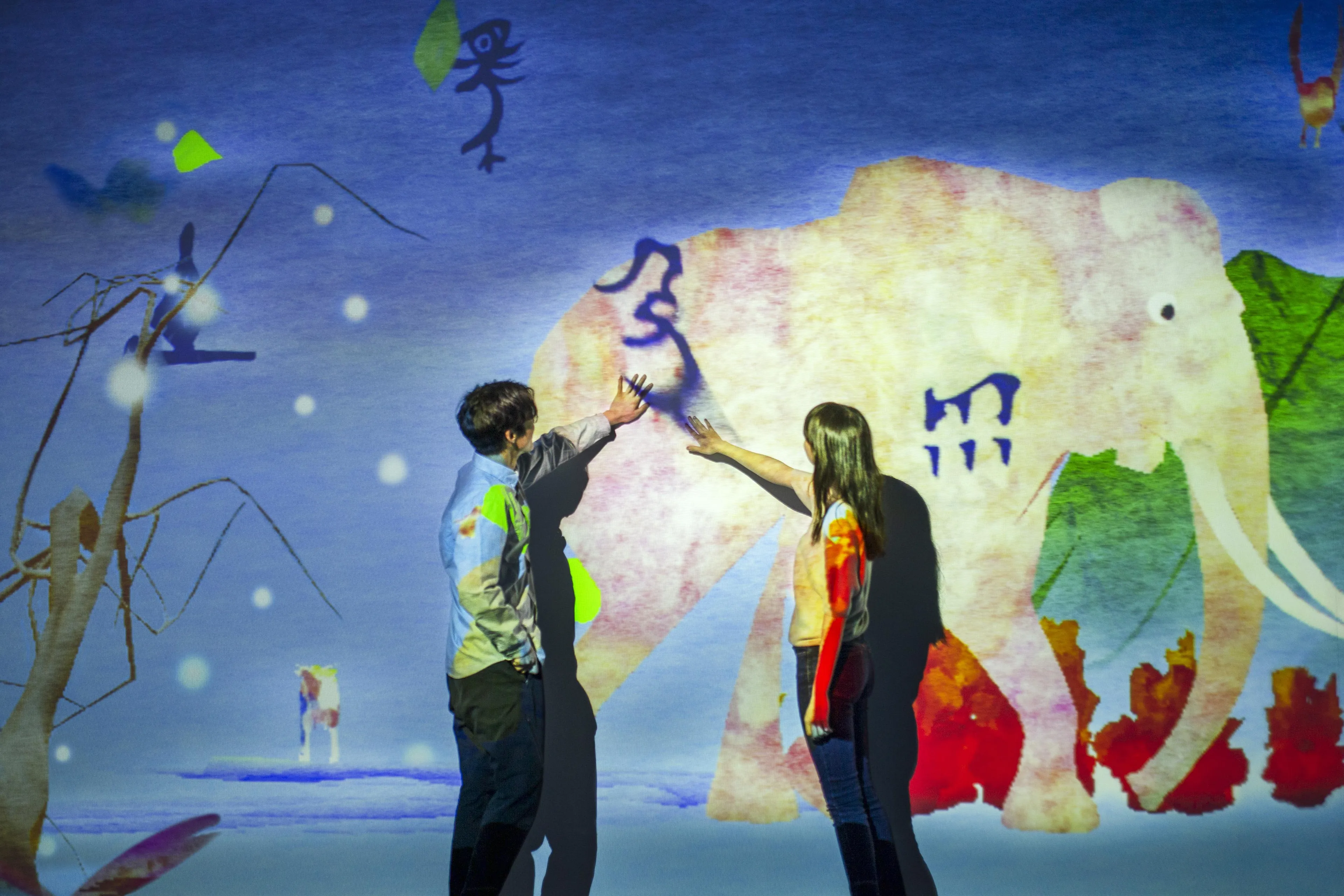

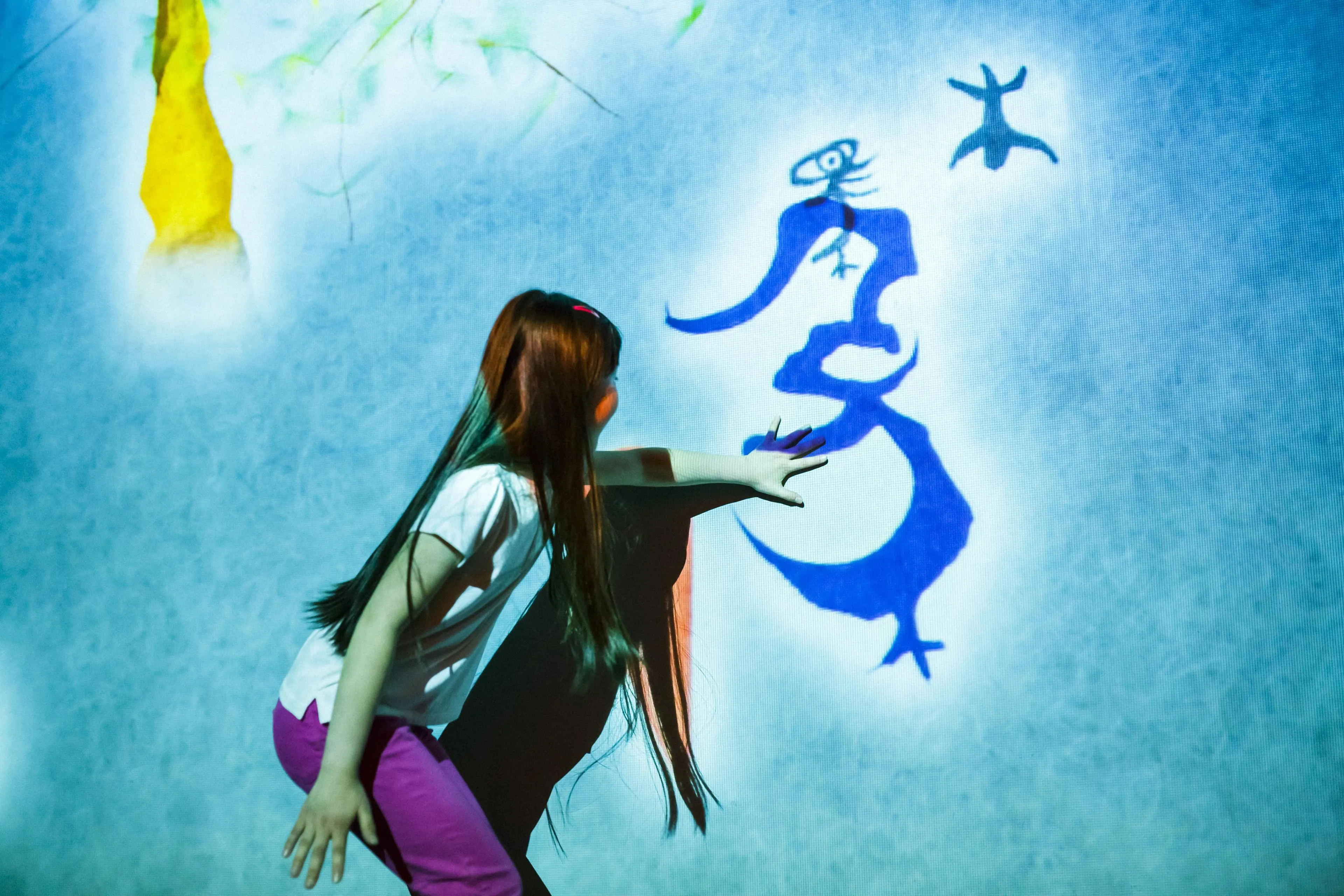
Hintergrund des Kunstwerks
The origin of Chinese characters
Since ancient times, words have been seen as possessing a spiritual power, the spiritual power of language. However, as words disappear, this spiritual power of language could not reside in words. According to the theories of Chinese literary scholar Shizuka Shirakawa, characters were born so that the power that people invested in words could be sustained and made more effective by putting the words down as pictographs.
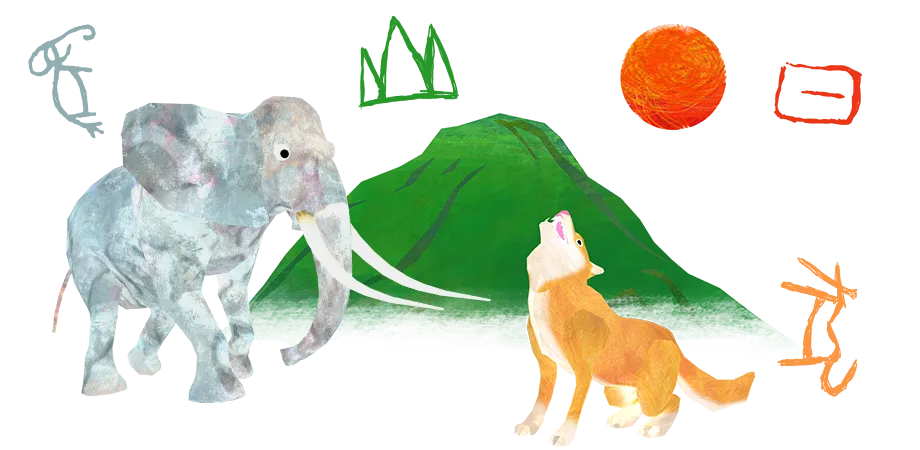
Chinese characters are believed to have been created around 1200 BC, during the Shang Dynasty.
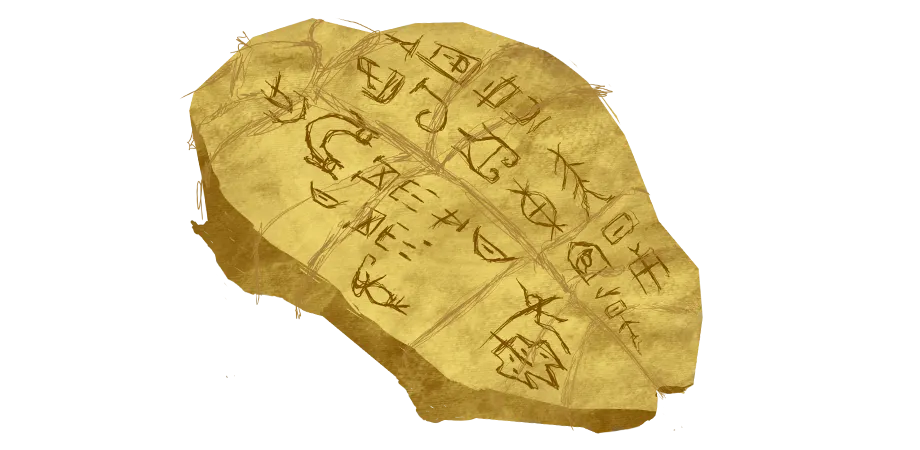
Kings of that era communicated with the gods through fortunetelling. Fortunetelling was practiced in connection with rituals and weather, and with every major decision concerning the dynasty, including war, harvests, and hunting. Inscribing records of communications with gods (fortunetelling) on tortoise shells or animal bones in the form of pictographs was the beginning of oracle bone script – that is, Chinese characters.
Reference
Shirakawa, Shizuka. Kanji: Oitachi to Sono Haikei. Iwanami Shoten, 1970.
Matsuoka Seigō. Shirakawa Shizuka: Kanji No Sekaikan. Heibonsha, 2008.
Wie man mit dem Kunstwerk interagiert
1
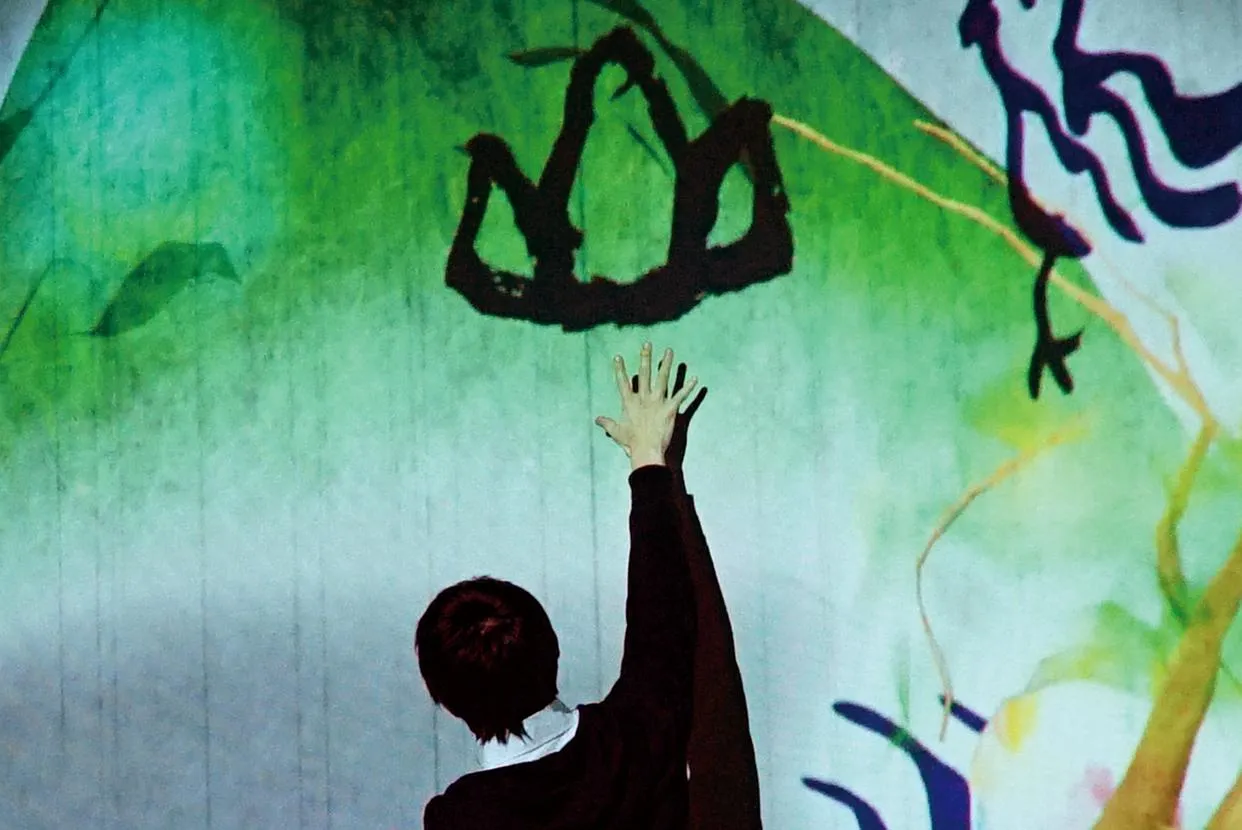
Touch the symbols and observe the response.2
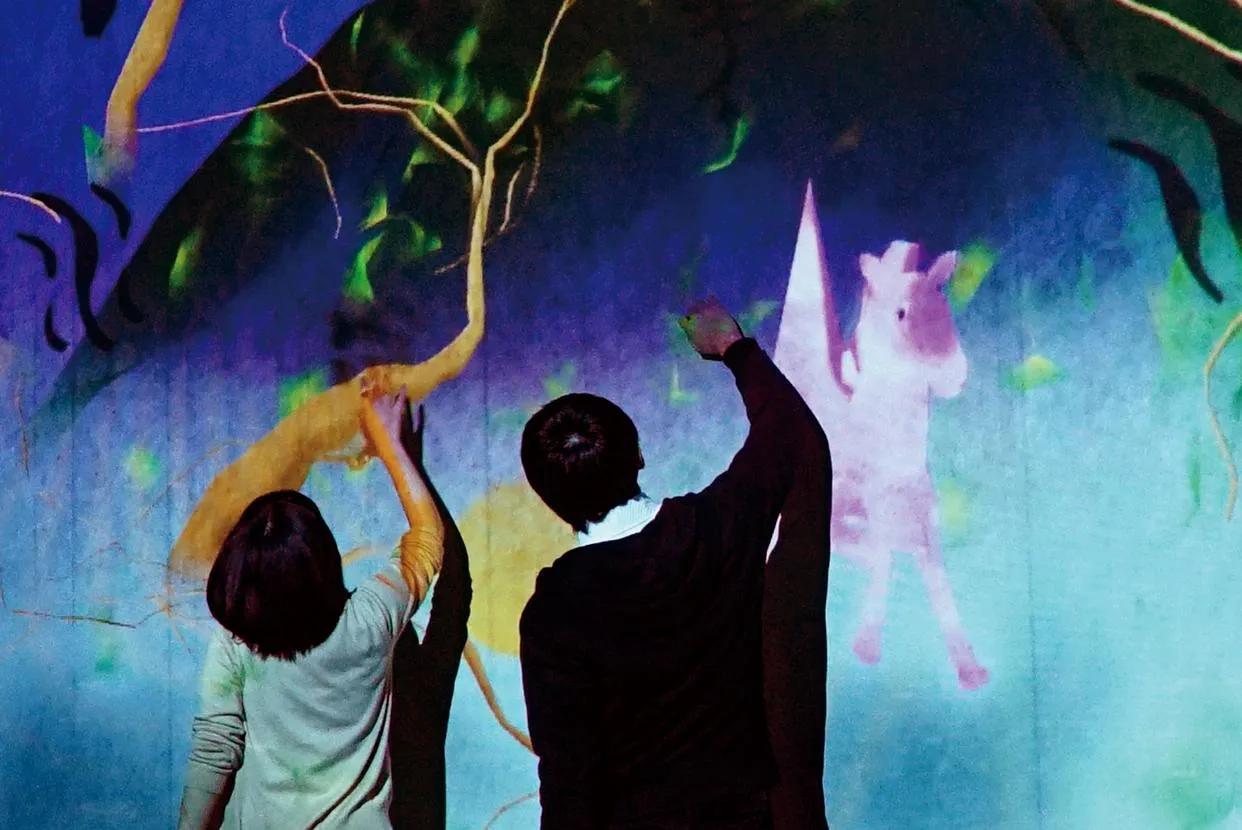
Images will arise from the symbols.3
A story will begin to unfold.